
 E-Paper



Delhi pollution: Bad air causing asthma-like symptoms in healthy children
The hazardous levels of air pollution in Delhi is leading to healthy children developing asthma-like symptoms and the prolonging of upper respiratory tract infection that need to be treated with inhalers, according to doctors in the national capital

 Prefer HTon Google


The hazardous levels of air pollution in Delhi is leading to healthy children developing asthma-like symptoms and the prolonging of upper respiratory tract infection that need to be treated with inhalers, according to doctors in the national capital.
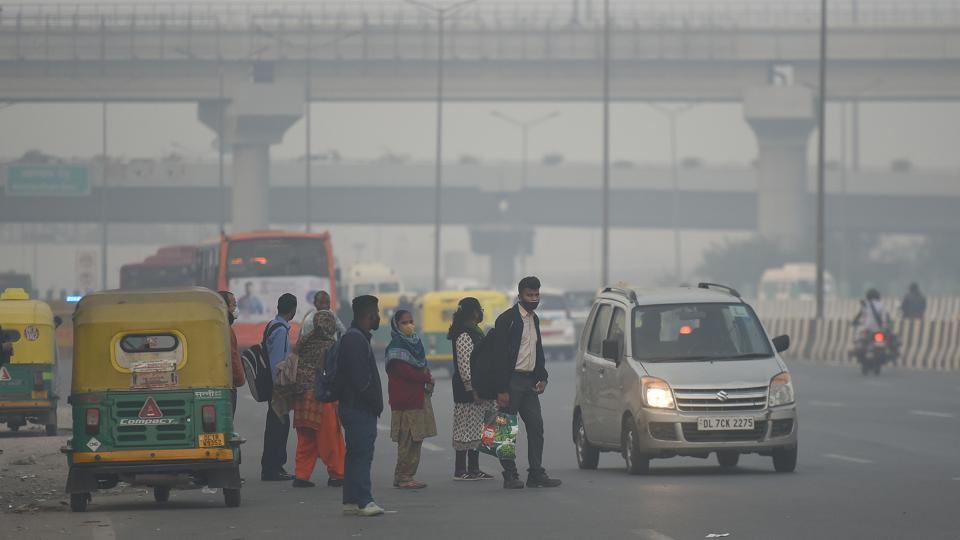
At the All India Institute of Medical Sciences (AIIMS), there has been a 20% increase in the number of patients visiting out-patient clinics as well as the emergency with exacerbations of existing conditions such as asthma and COPD (chronic obstructive pulmonary disease) in the past one week.
According to the Central Pollution Control Board, Delhi’s air quality index (AQI) on Tuesday was 403, in the severe category. The hazardous air quality has been persisting in the capital since Diwali and also prompted the government to close schools till November 20 and order all government employees to work from home till Wednesday. Construction activities are also banned till November 17.
“There has been an increase of around 20% in the number of patients visiting our OPD and the emergency department with exacerbations of existing diseases. In otherwise healthy people, the high levels of pollution are prolonging symptoms of normal viral infections or the common cold,” said Dr Karan Madan, associate professor, department of pulmonary medicine, AIIMS.
He further said, “In many healthy people who get a viral infection or cold, a cough that would otherwise get better in two or three days is lasting for over 10 days to two weeks now. It is almost like an asthmatic episode and to get better, many end up having to use steroid inhalers like asthma patients.”
And, the impact is being seen across all age groups, doctors said. Dr Puneet Khanna, head of the department, respiratory medicine, Manipal Hospital, Dwarka, said he has seen several cases of seasonal asthma-like symptoms in children.
“In addition to headache, congested nose, loss of concentration, and irritability, we see seasonal intermittent wheezing and asthma-like symptoms in children every year when the pollution levels spike. They are fine the rest of the year. And many of them go on to develop asthma as well,” said Dr Khanna.
Research has shown that high levels of pollution not only exacerbates existing asthma, but long term exposure also increases the risk of developing the disease. According to the World Health Organization, the lungs of a child, who is living in a region where air pollution is quite severe, may not function properly by the time (s)he attains adulthood. Due to weak lungs, such children, are likely to develop asthma in their later years.
He said he has also seen a 10% to 15% increase in admissions due to pneumonia – an infection of the lungs that inflame the air sacs – especially in the elderly. High levels of pollution are linked with an increase in respiratory infections, possibly because it reduces the body’s ability to fight off infections.
The only way to protect oneself from the bad air effects is to stay indoors, said Dr Neeraj Gupta, professor, department of pulmonology, Safdarjung hospital. “However, staying indoors all the time is not a practical solution. People should try to avoid the outdoors for prolonged periods. And, when outside they must wear a mask; the acceptability of masks has increased since Covid-19. However, the normal surgical masks do not really protect against pollution. N-95 masks are needed for that,” he said.
He also urged people to wear masks properly, with it covering their mouth and nose, and with a good fit around the chin; they should especially try not to fiddle with it, he said.
Dr Madan said people must avoid strenuous exercise or outdoor activities when the pollution levels are high. “Air purifiers serve only a limited area. People who want to do intense exercises, but are prone to pollution-related symptoms, may do so in a closed room with an air purifier.”


