
 E-Paper



Doctor warns of 3 airborne infections that peak during humidity
Stay healthy this monsoon by understanding three airborne infections that thrive in humidity. Learn proactive measures to protect yourself and your loved ones.

 Prefer HTon Google


The monsoon season can usher in a host of health problems, particularly airborne infections that thrive in humidity. Staying healthy during this time isn’t solely about responding to symptoms, but about embracing proactive measures to safeguard your health. Let’s talk about three common infections that can peak during the humid months, and how best to keep yourself and your loved ones safe.
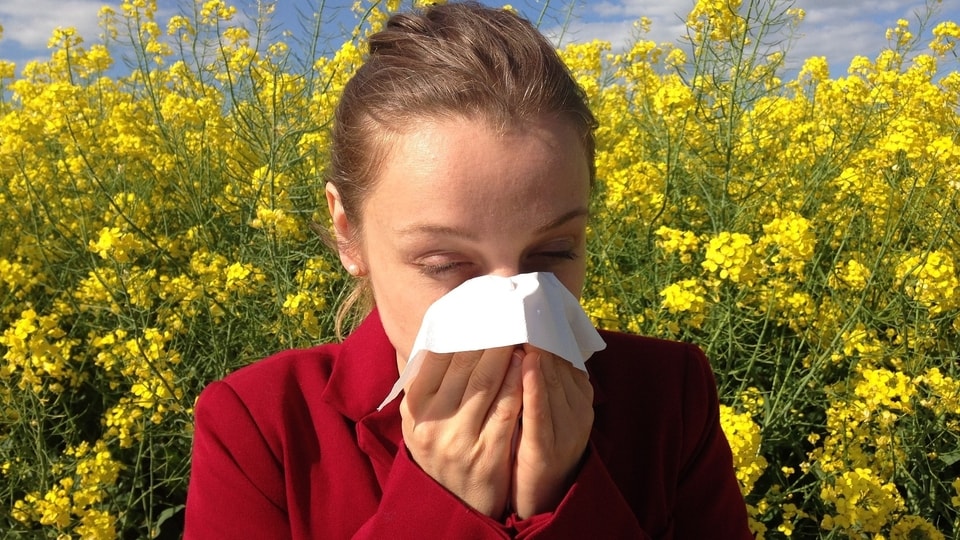

Persistent coughs that won’t quit
Persistent cough is a nagging symptom that not only disrupts your sleep but can also signal more serious issues. Humidity in the air makes the mucus in your airways more dense, creating an ideal environment for bacteria and virus to hitch a ride, as per the International Journal of Molecular Sciences.
Why does it matter? For anyone already suffering from asthma or allergies, the dampness in the air is a direct irritant, making respiratory challenges worse. What may begin as a simple dry cough can quickly escalate to wheezing or breathlessness if not addressed promptly, as per the American Lung Association.
What can you do? "If you notice your cough lingering beyond a week, consider consulting with a healthcare provider. Don’t just brush it off as seasonal irritation!" Dr Siri M Kamath, Consultant Internal Medicine, Gleneagles BGS Hospital, tells Health Shots.
2. Upper respiratory infections on the rise
During the monsoon, upper respiratory infections become alarmingly common. Symptoms like sore throats, stuffy noses, and even low-grade fevers often rear their heads, not just due to the flu or common cold, but because bacterial infections can take advantage of weakened immunity, as per the Centers for Disease Control and Prevention.
Patients frequently mistake these symptoms for "just a cold," but humidity can lead to the exacerbation of even minor viral infections. With prolonged exposure to damp air, these infections are more likely to persist and develop into more severe conditions, as reported in Environmental Health Perspectives.
What can you do? Maintain hygiene practices, such as regular handwashing, to reduce the likelihood of transmission. And remember, if your symptoms persist, a trip to the doctor is your best bet, as recommended by the American Medical Association.
3. Conjunctivitis: Not just in the air, but on your hands
Conjunctivitis, commonly known as pink eye, is often mistaken for mere allergies. However, red, itchy eyes during the humid season can signify viral conjunctivitis, which spreads rapidly through hand-to-eye contact. "Children, office workers, and anyone using public transit are particularly susceptible, especially if hand hygiene is not prioritised", suggests Dr Kamath.
What can you do? Practice good hygiene. Always wash your hands before touching your face or eyes, and avoid sharing personal items like towels.
Does outdoor air quality affect indoor air quality?
"While we often focus on outdoor factors, our indoor conditions can also play a significant role in our health during the monsoon season", says the diabetologist.
The sealed environment: To keep that pesky humidity out, many people shut their windows and run fans or air conditioners all day. Unfortunately, this creates a closed-off atmosphere with little ventilation, allowing germs to linger.
What can you do?
- Ventilate regularly: Open windows when it’s not raining to let fresh air circulate, as per the Centers for Disease Control and Prevention.
- Dehumidify: Use exhaust fans and dehumidifiers to combat dampness in your home.
What precautions should be taken during the monsoon season?
You certainly don’t need to stay indoors during the monsoon, but it’s wise to take precautionary steps to help ensure your health:
- Ventilation: "Regularly open your windows when it’s not raining and circulate indoor air", explains the physician.
- Dehumidifiers: Invest in a dehumidifier for rooms that feel perpetually damp.
- Masks for coughs: If you’re feeling under the weather, wearing a mask can be a considerate way to protect those around you, transcending even COVID-19 concerns.
- Hand hygiene: Always wash your hands thoroughly, especially after touching common surfaces, as recommended by the Centres for Disease Control and Prevention.
One major pitfall that many fall into is the tendency to wait too long to seek medical assistance, as noted in the Journal of General Internal Medicine. Self-medicating or hoping symptoms will resolve on their own can lead to unwanted complications. A cough that lingers or the disclosure of red, discharge-prone eyes are significant warnings. Seek the advice of a healthcare professional promptly.

Catch your daily dose of Fashion, Taylor Swift, Health, Festivals, Travel, Relationship, Recipe and all the other Latest Lifestyle News on Hindustan Times Website and APPs.


