
 E-Paper



Heart surgeon with 25 years of experience explains how daylight saving time affects your body: ‘That 1 hour change can…’

 Prefer HTon Google


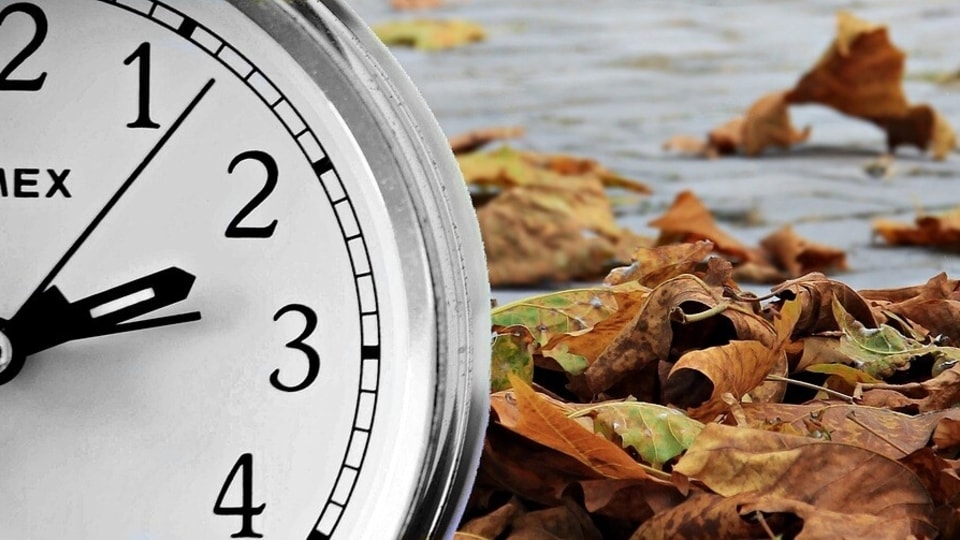
When daylight saving time ends and clocks shift back an hour, even this small change can disrupt your body’s rhythm, explains Dr London.
Every year, as winter approaches, many countries turn their clocks back by an hour to mark the end of daylight saving time - a practice originally introduced to make better use of daylight and conserve energy. While this shift may seem small and even welcome for adding an extra hour of rest, experts say it can take a surprising toll on the body. Even a one-hour disruption can throw off the circadian rhythm, making it harder for many people to adjust physically and mentally.
Dr Jeremy London, a cardiothoracic surgeon with over 25 years of clinical experience, has shed light on the surprising effects that daylight saving time can have on the human body. In an Instagram video posted on November 10, the cardiac surgeon explains how even a one-hour shift can disrupt the body’s natural rhythm and offers practical tips to help the body adjust smoothly.
How does daylight saving affect your body?
Dr London points out that with the arrival of winter, our clocks shift back by an hour each year - a change brought on by daylight saving time. However, while the extra hour may seem like a bonus to your daily routine, it doesn’t necessarily do your body any favours.
He explains, “That 1 hour change can throw your circadian rhythm completely off. The result is a measurable increase in heart attacks, strokes, mood disturbances, car accidents, and even all cause mortality in the days following the transition.”
Why does this happen?
According to the cardiac surgeon, our body’s internal clock is closely aligned with natural light exposure. When this rhythm is disrupted, it can throw the body’s overall balance and normal functioning off track.
Dr London explains, “Studies show that our internal biology clock is tightly synced to light exposure. When we abruptly change it, sleep quality drops, cortisol rises, and inflammation increases, especially in the spring. Now, some are affected more than others, but none of us are immune.”
How to adjust to daylight saving?
Dr London notes that the American Academy of Sleep Medicine recommends maintaining a permanent standard time, as it aligns more closely with our natural biology and helps reduce potential health risks. But until that happens, the cardiologist suggests ways to adjust accordingly.
He elaborates, “Prioritize consistent sleep, morning sunlight, and mindful breaks. I found that meditation, outdoor walks, and even sauna sessions help me reset after the time change because sleep is king. If your sleep is off, it affects every aspect of your life.”
Note to readers: This article is for informational purposes only and not a substitute for professional medical advice. It is based on user-generated content from social media. HT.com has not independently verified the claims and does not endorse them.


Catch your daily dose of Fashion, Taylor Swift, Health, Festivals, Travel, Relationship, Recipe and all the other Latest Lifestyle News on Hindustan Times Website and APPs.


