
 E-Paper



Japanese Encephalitis: Know symptoms, causes, treatment of the deadly mosquito-borne disease


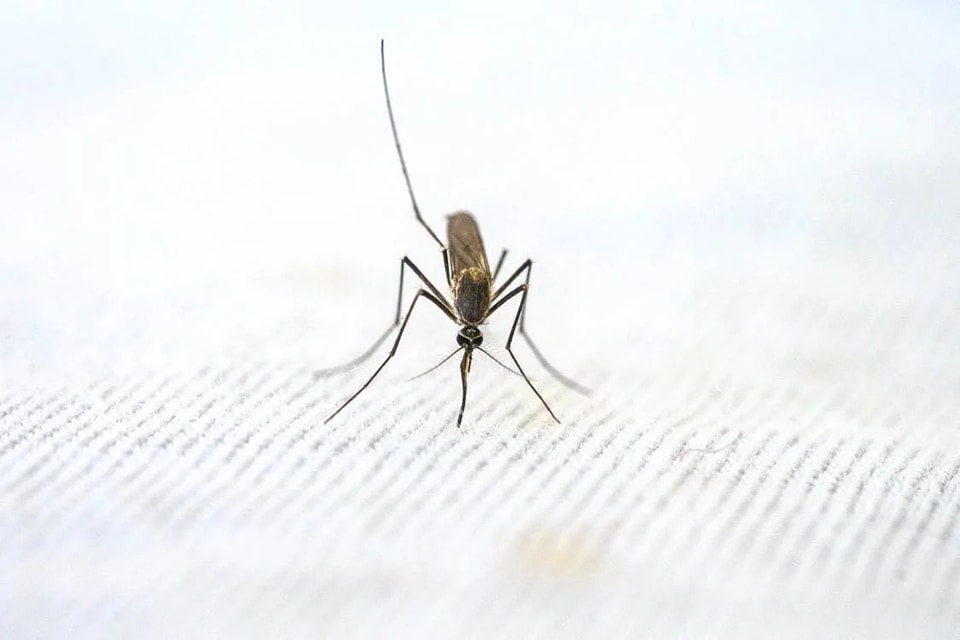
Japanese Encephalitis is a rare mosquito-borne viral zoonotic illness. It causes inflammation in the brain and may lead to severe symptoms. All you want to know.
The outbreak of Japanese Encephalitis, the viral mosquito-borne deadly disease has added to the worries of people in Assam as it has claimed 44 lives across the northeastern state so far, as per National Health Mission (NHM). The mosquito-borne disease causes inflammation in the brain and while fever and body pain are the main symptoms in mild to moderate cases, in severe cases, patients may experience change in behaviour, disorientation, tremor, convulsions or may even slip into coma. (Also read: Assam: Mosquito borne disease outbreak aggravated by floods kills 44 so far)
Also known as Summer Encephalitis and Arboviral B Encephalitis, Japanese Encephalitis is a rare mosquito-borne viral zoonotic illness and mainfly affects animals through migrating birds, it may affect humans in rare cases. Children are more at risk but the disease is not spread by person to person contact.
"It is the inflammation of the brain which is caused by Group B Arbovirus transmitted by Culex mosquitoes. The disease was first reported in the year 1871 in Japan. It is a disease of public health concern due to high mortality rate and a potential to cause epidemics," says Dr Charu Dutt Arora, Infectious Diseases Specialist and Head, Ameri Health, Asian Hospital.
"Culex mosquitoes transmit this virus, which is commonly found near the rice fields. There is no person-person transmission of this disease," adds the expert.
Symptoms
Most of the cases are asymptomatic. It is documented that for every 1 case of Japanese Encephalitis, there are almost 500-1000 cases who have the virus but do not manifest any disease.
"The incubation period is around 5-15 days and mild / moderate infections are presented with fever and muscle pain. However, severe infections can have neurological manifestations. These include neck stiffness, headache, change in behavior, stupor, disorientation, tremor, occasional convulsions and coma. Children in the age group of 5-15 living in the endemic areas are most commonly affected," says Dr Arora.
Treatment
"There is no antiviral treatment for Japanese Encephalitis. The treatment is supportive with analgesics, fluids and rest to relieve the symptoms and stabilise the patient. There should be focus on nutritional therapy, hydration and electrolyte therapy, treatment of convulsions and prevention of any secondary bacterial infection/sepsis. Maintaining airway is crucial in severely ill patients," says Dr Charu Dutt Arora.
Catch your daily dose of Fashion, Taylor Swift, Health, Festivals, Travel, Relationship, Recipe and all the other Latest Lifestyle News on Hindustan Times Website and APPs.


