
 E-Paper



Mumbai dermatologist shares why online hair and skin advice can’t replace real check-up: ‘AI can assist, doctor decides’

 Prefer HTon Google


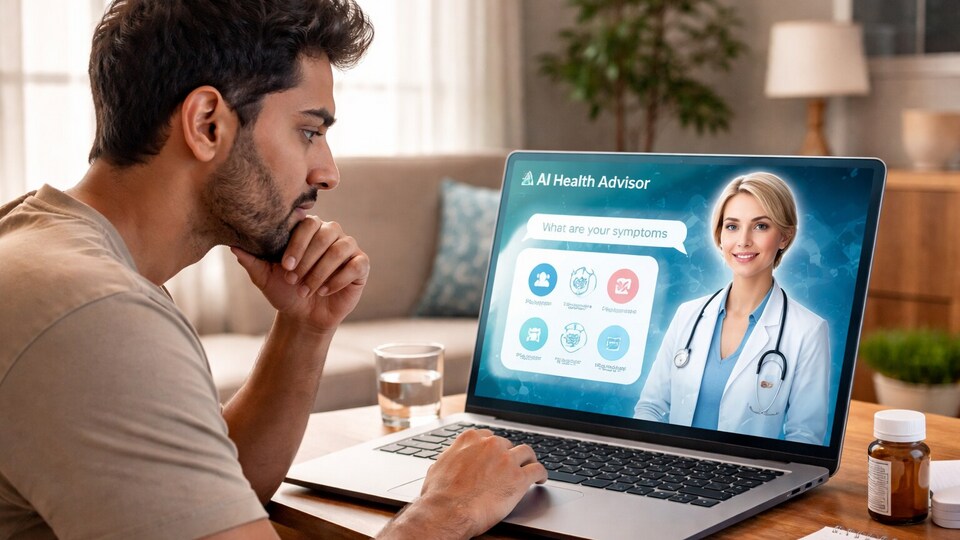
While online tips may seem convenient, doctor warns that in-person skin and hair consultations are crucial for accurate diagnosis and effective treatment.
Artificial intelligence has made skincare and haircare advice incredibly accessible. A few clicks, a couple of photographs, and an algorithm is ready with answers. For many, this feels efficient, even empowering. But in clinical practice, we’re seeing the other side of this convenience: important medical details being missed, and patients feeling more confused than reassured.
In an interview with HT Lifestyle, Dr Ajara Sayyad, Board-Certified Dermatologist, Regenerative Medicine Specialist, Medical Director and Business Head – The Éterne Clinic, Mumbai, reveals why relying on online hair and skin advice could do more harm than good and why in-person check-ups are essential. (Also read: Cardiologist with 20 years of experience explains why ‘blood sugar rises despite strict diets and regular medication’ )
Why can’t online consultations replace in-person visits
“Skin and hair don’t exist in isolation,” says Dr Sayyad. “Yet most online consultations focus on what fits into a camera frame. A patient may upload facial photographs for pigmentation, but what about subtle darkening on the neck, knuckles, forearms, or under the eyes? These are often clues to hormonal shifts, insulin resistance, inflammation, or sun damage patterns, details that rarely come through in a selfie.”
She adds, “Hair loss is far more complex than what scalp photos can capture. Early follicular thinning, scalp inflammation, variation in hair shaft thickness, or signs of scarring alopecia are best detected through touch, magnification, and clinical examination. These nuances help determine not just what treatment is needed, but whether treatment is needed at all.”
Dr Sayyad emphasises that consultations are not just about recommending products or procedures. “It’s about listening, observing, asking the right questions, and building trust. Patients often come in anxious, having tried multiple online routines or standardised treatment plans that didn’t quite work for them.”
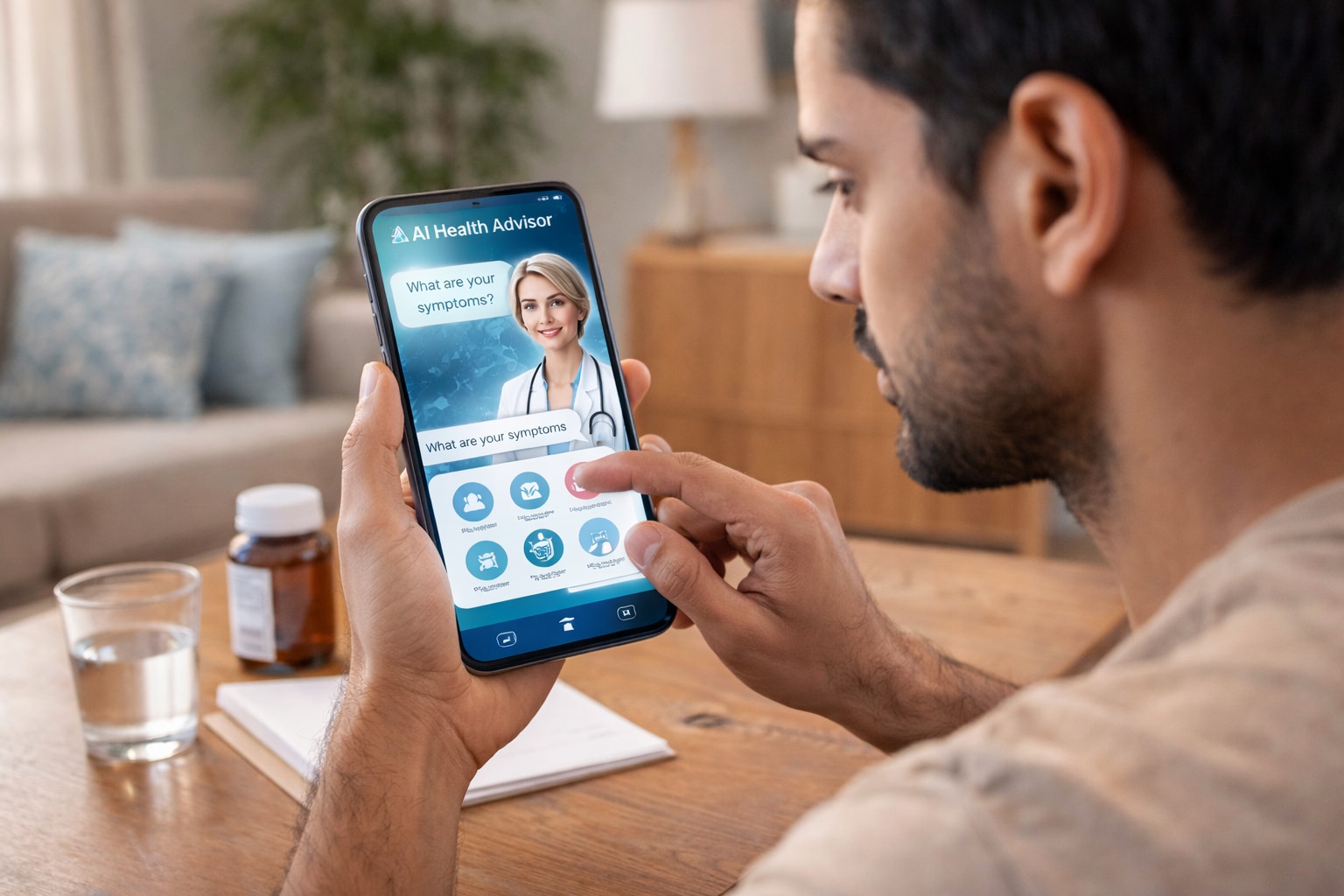
What are the risks of fully digital treatments
“In-person consultations allow doctors to read between the lines to sense hesitation, address fears, and offer clarity,” she explains. “This human connection, empathy, and continuity of care are difficult to replace with purely digital models that rely on fixed protocols and limited follow-up.”
“Online treatment pathways often aim for scalability and speed,” Dr Sayyad says. “While this may work for basic education, medicine rarely fits into preset templates. Skin and hair conditions evolve, react, and change over time. Without physical examination, long-term monitoring, or accountability, patients risk prolonged ineffective treatment or delayed diagnosis.”
She also stresses the importance of transparency. “Knowing who is guiding your care, their training, experience, and responsibility, is fundamental to ethical healthcare. This can become blurred in anonymous or algorithm-driven platforms.”
How can technology enhance dermatology
Dr Sayyad is not against technology, but she sees it as a tool, not a replacement. “AI has an important role in modern dermatology, from digital dermoscopy and trichoscopy to progress tracking and pattern recognition. When used correctly, it enhances accuracy and efficiency.”
“The future of skincare and haircare lies in collaboration between AI-powered diagnostics and human clinical judgement. Technology can help identify patterns and trends, but it is the clinician who interprets them in the context of a patient’s health, lifestyle, and emotional well-being.”
She sums it up simply: “AI can inform. Doctors evaluate. AI can assist. Doctors decide.”
Note to readers: This article is for informational purposes only and not a substitute for professional medical advice. Always seek the advice of your doctor with any questions about a medical condition.


Catch your daily dose of Fashion, Taylor Swift, Health, Festivals, Travel, Relationship, Recipe and all the other Latest Lifestyle News on Hindustan Times Website and APPs.


