
 E-Paper



Oncologist says ‘women should prioritise regular check-ups’; shares tips to prevent breast, cervical and other cancers

 Prefer HTon Google


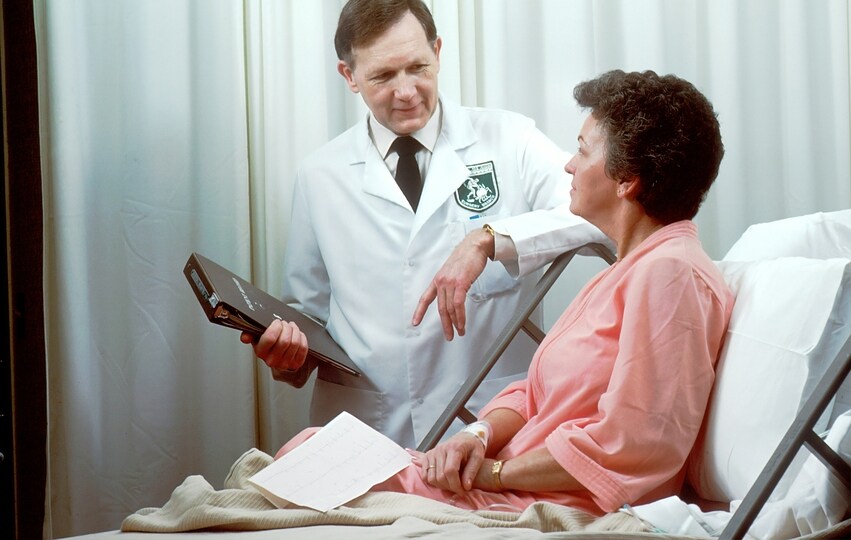
Oncologist Dr. Sunny Jain shares tips for women on preventing and detecting common cancers, highlighting screenings, HPV vaccination and early detection.
Cancer remains a leading health concern for women in India, but regular screenings and vaccinations can make a difference. "Most common cancers in Indian women remain breast, cervix, colorectal and lung. World Health Organisation ranks breast cancer as no 1 diagnosed cancer, however in India, carcinoma cervix contributes a larger proportion than in many high-income countries," says Dr. Sunny Jain, Sr Consultant and HOD-Medical Oncology, Accord Super Speciality Hospital, Faridabad. (Also read: Oncologist warns ‘men are at higher risk of dying from cancer’; shares warning signs, lifestyle tips that can save lives )
Dr. Sunny further shared with HT Lifestyle, "Multiple RCTs and meta-analyses have shown the benefit of mammography for women aged 50–69, demonstrating an approximate 20% reduction in breast cancer mortality. In a Mumbai-based RCT conducted by Tata Memorial, around 150,000 women participated in the screening programme, which showed a 30% reduction in mortality for women aged 50 and above, along with significant down-staging of cancers. As per the MoHFW's operational framework under the NP-NCD, clinical breast examinations (CBE) every five years for women aged 30–65 are the standard at Health & Wellness Centres."
He further shares tips for women on preventing, detecting, and managing some of the most common cancers in India:
Cervical cancer
HPV-induced cervical cancer is a major cause of carcinoma cervix. Both global and national evidence support the superior detection of high-grade disease using HPV DNA testing, which is feasible even in low-resource settings. A Mumbai cluster-RCT, conducted by trained workers using Visual Inspection with Acetic Acid (VIA), showed a 31% reduction in cervical cancer mortality over 15 years.
India has begun a phased public-sector roll-out of the indigenous Cervavac vaccine (2024–25), marking a significant step toward preventing cervical cancer caused by HPV.

Colorectal cancer
Stool tests such as gFOBT and FIT have been shown in classic RCTs (e.g., Minnesota) to reduce colorectal cancer (CRC) mortality with regular testing. Flexible sigmoidoscopy trials in the UK also reduce incidence and mortality. The NordICC trial showed that benefits are modest and adherence-dependent. Currently, there is no national CRC screening programme in India.
Lung cancer
Low-dose CT (LDCT) scans for high-risk smokers have demonstrated a mortality benefit. The NLST trial showed 20% lower lung-cancer mortality compared to chest X-rays. India does not have a population-based LDCT programme, likely due to costs and the large population at risk. It is currently recommended only for carefully selected high-risk individuals.
Endometrial cancer
There is no documented benefit of population-based screening for endometrial carcinoma. However, women with post-menopausal bleeding should report to a doctor immediately.
Ovarian cancer
Screening using CA-125 or transvaginal ultrasound (TVS) has shown no benefit in large trials such as PLCO (US) and UKCTOCS (UK). Hence, no population-based ovarian cancer screening programme exists.

Skin cancer
Doctors emphasise UV protection, limiting sun exposure, and prompt evaluation of any changing lesions to prevent skin cancer.
Population-based screening in India
Under the NP-NCD programme (earlier NPCDCS) of the NHM, population-based screening is available at Ayushman Bharat Health & Wellness Centres using CBAC risk assessment. VIA (cervix) and CBE (breast) are conducted every five years for women aged 30–65. Oral cancer screening is available for both sexes. The Digital NCD Portal tracks screenings and follow-ups.
National Cancer Registry Programme (ICMR-NCDIR)
These population- and hospital-based registries guide planning, help monitor stage at diagnosis, and are critical for evaluating the impact of screening programmes.
Cervavac, India's indigenous HPV vaccine targeting strains responsible for cervical carcinoma, is being scaled up nationally as states adopt the programme. It is expected to work in synergy with HPV-based screening in the 2030s to further reduce cervical cancer incidence and mortality.
Note to readers: This article is for informational purposes only and not a substitute for professional medical advice. Always seek the advice of your doctor with any questions about a medical condition.


Catch your daily dose of Fashion, Taylor Swift, Health, Festivals, Travel, Relationship, Recipe and all the other Latest Lifestyle News on Hindustan Times Website and APPs.


