
 E-Paper



Pulmonologist says pollution can affect children more adversely; suggests 5 ways to protect them indoors and outdoors

 Prefer HTon Google


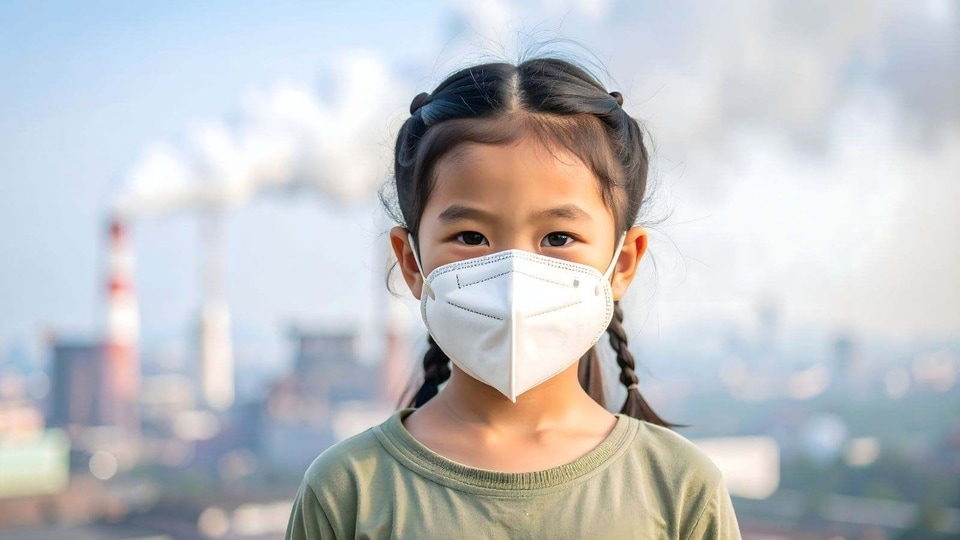
Keep your kids safe and breathing easy! Discover effective ways to shield them from smog and harmful outdoor and indoor pollutants.
Each year, as smog thickens and air quality deteriorates, children become most vulnerable to its effects. Their developing lungs, rapid breathing, and active outdoor routines make them more susceptible to harmful particles such as PM2.5, nitrogen dioxide, and ozone.
Dr Rohan R. Naick, Consultant Pulmonologist at SPARSH Hospital, Yeshwanthpur, Bengaluru, tells Health Shots that since children’s lungs are still in the developmental stage, pollutants can penetrate more deeply and cause lasting harm. This growing concern extends beyond temporary coughs or allergies, as it can impact their overall respiratory development and long-term health. Addressing it requires a mix of precaution, awareness, and timely action.
From reducing outdoor exposure to improving indoor air quality and strengthening their natural defense against air pollution - Dr Naick suggests practical ways to protect children. Together, these strategies form a holistic approach to safeguard children’s health during the polluted months.
Why are children are at higher risk of respiratory problems?
During winter, declining air quality puts children at greater risk. Their developing lungs, faster breathing rate, and longer periods of outdoor activity increase their exposure to pollutants like PM2.5, nitrogen dioxide, and ozone. Dr Naick says that safeguarding their health demands proactive measures, preventive steps, and heightened awareness.
1. Minimise outdoor exposure during high pollution hours
Air quality worsens in the early morning and late evening. Encourage indoor activities, and if children must go out, ensure they wear a properly fitted N95 mask, especially in metro or industrial cities, as reported by Nationwide Children's Hospital.
2. Maintain cleaner indoor air
Pollution seeps indoors, with nearly 60% of particulate matter entering homes. Use HEPA air purifiers, keep windows closed during high AQI periods, and add air-purifying plants like areca palm or snake plant. Avoid smoking, incense sticks, or aerosol sprays indoors.
3. Support immunity with nutrition and hydration
A strong immune system helps children fight pollution-related damage. Include vitamin C- and E-rich foods, such as berries, citrus fruits, spinach, and nuts. Traditional drinks, such as turmeric milk or warm honey water, can also aid in flushing out toxins, as suggested by Dr Rohan R. Naick.
4. Monitor health closely
Watch for cough, wheezing, or shortness of breath. Consult a paediatrician promptly, especially for children with asthma or allergies. Early intervention with preventive inhalers or antihistamines reduces complications.
5. Schools and community action
Schools should monitor the AQI and adjust outdoor schedules accordingly. Awareness campaigns, mask distribution, and proper ventilation can help. Community initiatives, such as carpooling, reduced firecracker use, and tree planting, also lower overall exposure, as reported by the Library of Science.
While no single measure eliminates risk, research shows that consistent preventive actions, such as mask use, indoor air purifiers, reduced outdoor exposure, and community initiatives, can significantly lower children’s exposure to harmful pollutants and protect their respiratory health during high-pollution periods, as reported by the Library of Science.
(Note to readers: This article is for informational purposes only and not a substitute for professional medical advice. Always seek the advice of your doctor with any questions about a medical condition.)
Smart steps to safeguard kids

Note to readers: This article is for informational purposes only and not a substitute for professional medical advice. Always seek the advice of your doctor with any questions about a medical condition.
Catch your daily dose of Fashion, Taylor Swift, Health, Festivals, Travel, Relationship, Recipe and all the other Latest Lifestyle News on Hindustan Times Website and APPs.


