World Brain Day 2026: July 22 is observed annually as World Brain Day to raise awareness about brain health. The brain controls several cognitive functions that are essential for everyday life, such as learning, reasoning, memory, attention and problem-solving.ALSO READ: Doomscrolling before bed? Oncologist shares how late-night screen use may ‘confuse’ your brain
One of the first steps towards nourishing and caring for your brain is to pay special attention to your everyday habits, including your diet. The food you eat provides the energy and nutrients required to support cognitive functioning. Diet protects brain health.
A specialist discussed what to eat. Neurosurgeon Dr Shrikant Sharma, director of neurosciences at Kailash Healthcare, shared with us the key nutrients that support brain health and their dietary sources.
But first, why does the brain require nutritious food? The neurosurgeon answered this by highlighting an important fact about the brain: "The brain consumes nearly 20 per cent of the body's energy. It is the body's most energy-demanding organ. Every thought, memory, emotion and decision depends on a constant supply of nutrients that keep brain cells functioning efficiently."
Although other factors like genetics and age cannot be ruled out when it comes to brain health, Dr Sharma reiterated the indispensable role of everyday food choices. In fact, diet can create a chain effect, influencing several processes that collectively support cognitive functioning.
{{/usCountry}}Although other factors like genetics and age cannot be ruled out when it comes to brain health, Dr Sharma reiterated the indispensable role of everyday food choices. In fact, diet can create a chain effect, influencing several processes that collectively support cognitive functioning.
{{/usCountry}}“The food we eat impacts blood circulation, inflammation, nerve cell signalling, and gut health; all essential elements for cognitive performance," he illustrated, which physiological functions benefit from a good diet.
Here are the food categories the neurosurgeon recommended adding to your diet to improve brain health and support cognitive functioning:
1. Foods that support gut-brain connection
The gut-brain axis is at the centre of several health discussions concerning digestive wellness and cognitive health. The neurosurgeon believed that this bidirectional communication system, which connects the digestive system with the brain, is important, as the gut microbiome consists of trillions of beneficial bacteria that produce chemical compounds capable of influencing mood, memory and learning.
The neurosurgeon's first set of recommendations includes fermented foods such as curd and buttermilk; legumes like chickpeas and kidney beans; and whole grains such as millets. These foods support a healthy gut microbiome, which may help reduce inflammation and protect brain health.
2. Healthy fats
Fats are often villainised, but healthy fats actually help to support brain functioning. The neurosurgeon highlighted that omega-3 fatty acids improve communication between brain cells: "Omega 3 fatty acids, especially DHA (docosahexaenoic acid), play a crucial role in its development and improve communication between neurons in addition to decreasing chronic inflammation.” What are the sources of omega-3 fatty acids? Dr Sharma recommended fatty fish such as salmon and sardines, along with walnuts and flaxseeds, as plant-based sources.
3. Antioxidant rich foods
The next recommendation is to include brightly coloured fruits and veggies in your diet. Describing their benefits, Dr Sharma said, “The consumption of brightly colored fruits and vegetables provides the brain with powerful antioxidants, which protect brain cells from damage caused by oxidative stress.”
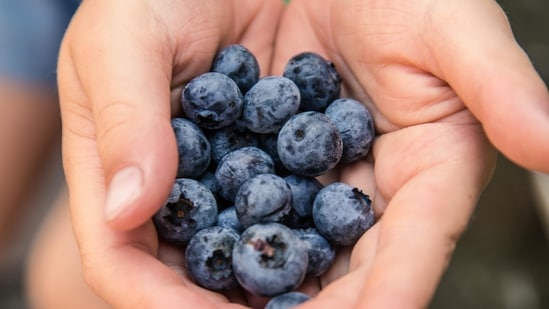
This means, you can eat berries, spinach, tomatoes, carrots and beetroots as the neurosurgeon insisted they contain rich antioxidants and have protective effects on brain functioning.
4. Vitamins
Don't miss out on micronutrients like Vitamins B6, B12 and folate. The neurosurgeon reminded that these nutrients help regulate homocysteine, an amino acid that, when present at elevated levels, may be linked to cognitive decline.
“Healthy sources of food for these vitamins include leafy vegetables, lentils, eggs, dairy products and fortified food,” he added.
But he cautioned vegetarians, as they need to pay attention to their vitamin B12 intake because many natural sources are animal-based. When one is deficient, then they may experience memory, concentration and nerve functioning problems.
5. Better carbs
Carbohydrates are one of the three macronutrients, yet they have received their fair share of criticism. However, Dr Sharm challenged the idea that all carbs are bad, as the brain actually needs glucose to function adequately.
But the type of carb you choose makes all the difference. Sugary snacks and processed carbs can cause sudden spikes and drops in blood sugar levels, leaving you feeling fatigued and distracted. Instead, he recommended whole grains, millets, oatmeal and legumes, which provide a steadier supply of energy.
About the expert
Dr Shrikant Sharma is a neurosurgeon, and his areas of specialisation include minimally invasive brain and spine surgery, skull base surgery, neurovascular surgery, paediatric neurosurgery, and epilepsy surgery. He is also trained in brain tumour navigation technology.
Note to readers: This article is for informational purposes only and not a substitute for professional medical advice. Always seek the advice of your doctor with any questions about a medical condition.
Catch your daily dose of Fashion, Taylor Swift, Health, Festivals, Travel, Relationship, Recipe and all the other Latest Lifestyle News on Hindustan Times Website and APPs.
Catch your daily dose of Fashion, Taylor Swift, Health, Festivals, Travel, Relationship, Recipe and all the other Latest Lifestyle News on Hindustan Times Website and APPs.