
 E-Paper



Lok Sabha Elections 2019: BJP playing dalit card to negate caste arithmetic in UP
The BJP had engaged Dalit leaders due to its conviction that it is largely up against the Bahujan Samaj Party (BSP) in these 14 Lok Sabha seats. The BSP had stood second in several of these 14 constituencies in 2014 Lok Sabha polls, which it had contested alone.


The Bharatiya Janata Party and the alliance are engaged in posturing, with each claiming that the sixth round, in which 14 Lok Sabha constituencies went to polls on Sunday, was theirs.
The BJP had engaged Dalit leaders due to its conviction that it is largely up against the Bahujan Samaj Party (BSP) in these 14 Lok Sabha seats. The BSP had stood second in several of these 14 constituencies in 2014 Lok Sabha polls, which it had contested alone.
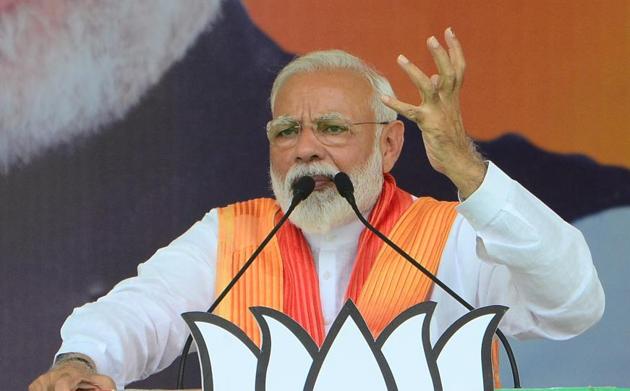
Prime Minister Narendra Modi’s attack on BSP chief Mayawati during his rally in Kushinagar earlier in the day, when voting for sixth round was still underway, underscored the party’s reliance on Modi to negate the ‘caste arithmetic’ that, according to experts, is with the alliance.
Modi also targeted the alliance claiming the chinks in the SP-BSP pact was beginning to show, a line that the rest of the BJP decided to adopt for the seventh and final phase too.
“This alliance is an unnatural get-together of leaders worried about their own survival and it’s now very clear that we are winning by a huge margin. After May 23, this alliance will come unstuck,” said union minister and BJP’s UP in-charge JP Nadda.
The aggressive pitch notwithstanding, caste arithmetic doesn’t favour the BJP.
For instance, in Ambedkarnagar, the BJP had won the 2014 LS polls with a 25 per cent vote share though together the SP-BSP had polled more with 30 per cent votes.
Similarly in Basti, the BJP had won 2014 elections with a nearly 34% vote share against the SP-BSP’s combined share of over 58%. In Lalganj (reserved) constituency, adjoining Azamgarh, the BJP, with a 36% vote share in 2014, would have been easily defeated if the SP-BSP were together for the two parties together had polled 55% of the vote.
In all these constituencies as well as in the rest of the 14 seats that went to polls in UP, the BJP leaders admitted that while they were hopeful, the alliance was the “big unknown.”
The BJP’s SC/ST morcha leaders had made door-to-door visits in constituencies that went to polls on Sunday, something they intend to continue for the last round polls too.
“Modiji has campaigned heavily in Purvanchal. The crowd turnout suggests that we are doing well despite the alliance. If 2014 was a wave, this time it would be tsunami,” said union minister JP Nadda, BJP’s UP in-charge.
Modi will hold at least 3 more rallies in eastern UP for the last round polls while BJP chief Amit Shah is also scheduled to hold roadshows in key constituencies for the final leg.
So far apart from top leaders, NDA leaders including union minister Ram Vilas Paswan of the Lok Janshakti Party, Sanjay Paswan, who was minister of state for HRD in the Atal Bihari Vajpayee government, union minister Thawar Chand Gehlot, BJP vice president Dushyant Gautam, party’s SC/ST chief and Mohanlalganj MP Kaushal Kishore have been among the several leaders who have campaigned in Purvanchal.
Sunday’s poll in UP was more about BSP as it contested 11 of these seats as part of the alliance agreement. Ambedkarnagar was among them. It was there that Mayawati had attempted to connect with her core voters when she said if the alliance scores big in UP, she could even be a potential candidate for the post of Prime Minister.
Taking cue from Modi, BJP has decided to up the ante against the alliance ahead of May 19 polls.
“Do you really think an alliance reached between two leaders in a drawing room actually reflects the people’s wish? These leaders have come together to save themselves more than anything else and their cadre knows it too,” Nadda asked.
The BJP strategy largely hinges on the hope that Modi magic overrides caste arithmetic.
The other part of the strategy is to confuse the voters of the SP-BSP alliance that the alliance has a short shelf life.
“We have been telling the people to decide on merit and if Mayawatiji or Akhileshji have the numbers to even dream of becoming the PM? No? Then what is the brouhaha about? Their cadres are worried, unhappy with the unnatural alliance between parties which were sworn enemies of each other till a few months back. Then wasn’t it SP patron Mulayam Singh Yadavji who had conceded that there was resentment with the seat- sharing pact,” asked BJP general secretary Vijay Bahadur Pathak.
In 2011, shortly ahead of the 2012 UP polls which she lost to the Samajwadi Party, Mayawati had sent a proposal about dividing the state to the Centre.
“The proposal cleared by the state assembly also included ‘separate statehood for Purvanchal’. It didn’t win votes for her then or in 2017 UP polls when she again raised the issue of separate Purvanchal state in her poll rallies. Now, when she is silent, the BJP got the issue raised through Republic Party of India leader and union minister Ram Das Athavale, a Dalit who has been targeting Mayawati,” said Athar Husaain of the Centre for Objective Research and Development.
However, this time, even experts agree that more than the issues raised from political stage, it’s the caste arithmetic that is on test.
“It’s Hindutva and nationalism vs caste. Since 1993, the alliance hasn’t been tested. It’s the biggest unknown and more than anything else, the ability of the two parties to get their votes transferred that would be keenly watched,” said SK Dwivedi, a political expert.


