
 E-Paper



Sri Sri meets Barelvi cleric over temple dispute, talks inconclusive
The Art of Living founder also told the All-India Muslim Personal Law Board in an open letter that a “civil war” could break out if the issue was not solved amicably. Taugir Raza was the only Barelvi cleric who agreed to meet him in this regard.

 Prefer HTon Google


Art of Living founder Sri Sri Ravi Shankar met Barelvi cleric-turned-politician Tauqir Raza to discuss the Ram Janmabhoomi dispute on Tuesday, but nothing conclusive emerged from the talks.
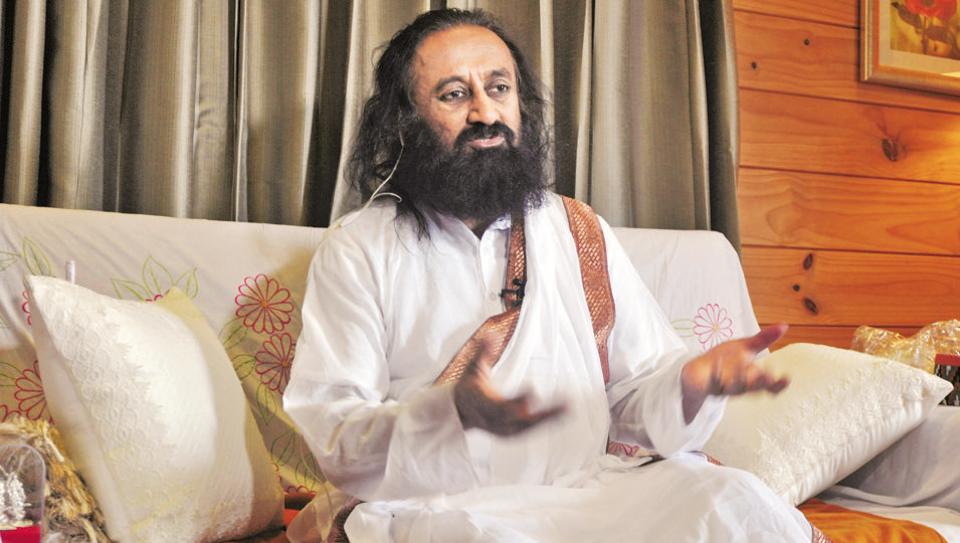
Speaking to mediapersons after the meeting, Raza said no decision on the matter can be accepted without taking the demands of both parties into consideration. “We should strive to resolve the issue outside court but the concerns of all parties should be heard before reaching a solution.”
Ravi Shankar had earlier said that members of both the communities wanted to coexist in peace. “We are trying to ensure that the issue is solved amicably,” he said.
No other Barelvi cleric agreed to meet the Art of Living founder on the matter.
Meanwhile, Ravi Shankar was not allowed to enter an Islamic study centre operating under the aegis of the Dargah-e-Ala Hazrat. “We were not informed about his visit in advance, and arbitrary visits are not allowed,” said madarsa in-charge Akhtar Raza Khan, who happens to be Raza’s elder brother. The spiritual leader then went on to visit Alaknath Temple.
Out-of-court settlement
In yet another push for an out-of-court settlement in the temple dispute, Ravi Shankar told the All-India Muslim Personal Law Board in an open letter that a “civil war” could break out if the issue was not solved amicably.
“I urge leaders of both the communities to take this issue seriously, because we would otherwise be pushing our country into a civil war. The world has seen too much of that. Let us showcase to the world that India is different, and we can resolve our internal issues amicably,” he wrote.
Listing four options to settle the dispute, the Art of Living founder said: “In all these, whether through the court or through legislation, the result will be devastating for the nation at large and the Muslim community in particular. If Muslims win, they will celebrate in every village, inviting communal tension. If Hindus win, it will incur the wrath of Muslims and lead to riots. Going through the court is a loss for both the communities.”


