
 E-Paper



Tribal jewellery gets a home at Mangar Village’s museum and eco-lodge


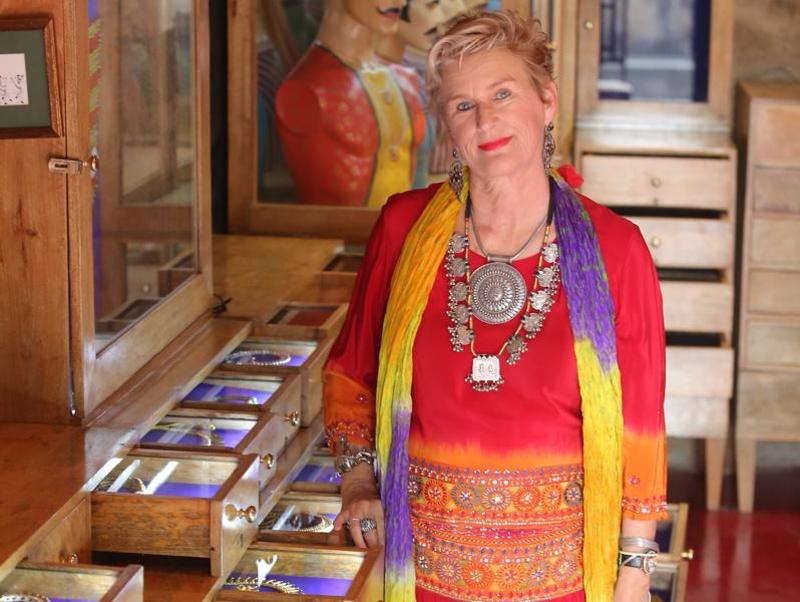
The Village Jewel Museum and Eco-lodge, powered by Kalakar Trust, opens to public on November 12 and is dedicated to the preservation of the tribal artefacts of India.
Did you know that the placement and colour of jewellery defines a person who wears it? Expect to find an answer to this and many such interesting facts when you enter the Village Jewel Museum and Eco-lodge in Mangar village, near Faridabad.
A part of the Kalakar Trust activities, this museum was created to foster and preserve Indian art and support its artists. The idea was to build a permanent venue for display of tribal artefacts. Sterre Sharma, trustee, Kalakar Trust, shares, “There was a lack of venue in India when exhibiting tribal jewellery and knowing their history is concerned.”
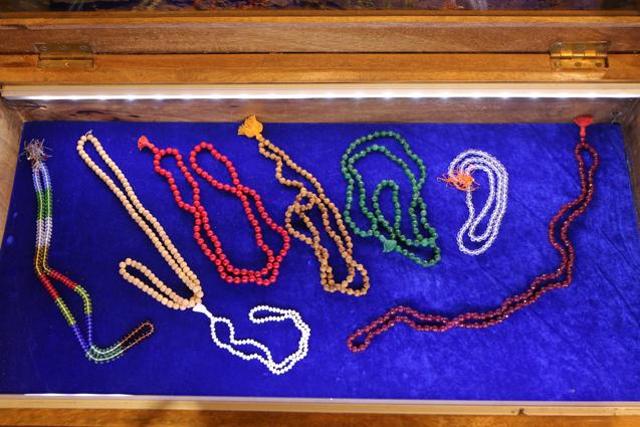
The jewellery on display is made of glass, bone, brass, white metal, silver and gold plate. The collection, which consists of prayer beads, necklaces and amulets, also has local pieces such as Hanuman ji ka Mandaliya, Sketcha and Jondhali Haar. These culture-laden exquisite pieces are gathered from all across the Indian sub continent. “These have been collected over a period of 35 years,” says Sterre, who is an artist and jewellery collector.
The articles on display at the village jewel museum in Mangar were collected over the course of 35 years from different areas of the sub continent (Manoj Verma/HT)
“We have been working over the years, to get the meaning, local names and significance behind each piece. We hope that visitors also develop a passion and contribute to the museum so that we can expand the collection,” says Sterre, whose interactive 5 metre long water colour painting on the life of Katputli Colony slum also adorns the museum.
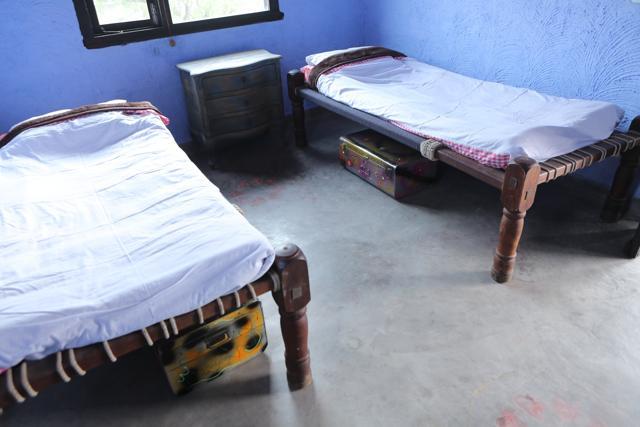
The Kalakar Trust has worked for 25 years in Katputli Colony in West Delhi and the museum is an off-shoot of that project.Not just jewellery, one can also experience village life at the eco-lodge that is a perfect getaway running on 80% solar energy. With nominal prices and traditional setting, it gives opportunity for artists to participate in exchange programmes and workshops.
She adds, “One can also enjoy a variety of workshops such as conch shell blowing, folk dance, dhol drumming, puppet-making and yoga courses. Children visiting the place get a chance to experience village life.”
Situated on the outskirts of Delhi, the village is about a 20-minute drive from the Gurgaon-Faridabad highway. The museum opens for public viewing from November 12. And, the eco-lodge is open from September 15 of this year to April 15 of the next year.


