
 E-Paper



14 dead in fire: Space-starved Mumbai’s ‘development’ is at the cost of safety
Numerous towers, swanky offices, pubs, bistros, restaurants and cafes have come up in a haphazard manner on the narrow lanes of crumbling infrastructure.


The fire at a commercial building in the Kamala Mills compound in Mumbai’s Lower Parel that killed 14 people and injured several others could be a case of non-compliance with construction and planning norms.
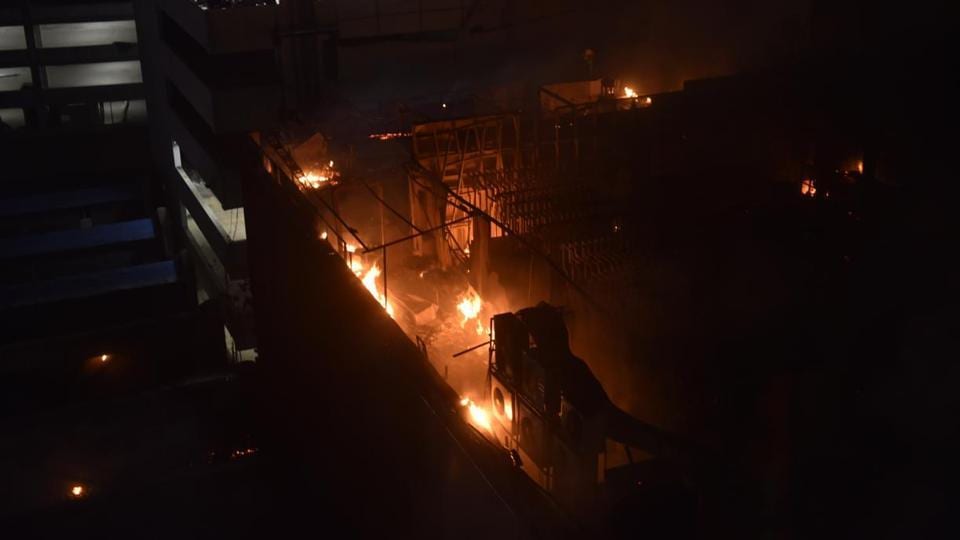
Fire department officials have said that the restaurant, where the fire allegedly started, did not have a functional fire-fighting system, lacked fire exits and a lot of combustible material was stored on the rooftop that only aggravated the situation.
One of the most important chapters of Mumbai’s urbanisation is the changing face of the mill lands, spread across 600 acres in central Mumbai, that attracted a huge number of migrants to the city.
As the textile sector saw a downfall, the land on which these mills stood became a prized possession for the real estate sector in a space-starved city.
The effects are visible in the densely-populated areas of Lower Parel as almost all metamorphosed into swanky malls and luxurious buildings in the last decade.
Numerous towers, swanky offices, pubs, bistros, restaurants and cafes have come up in a haphazard manner on the narrow lanes of crumbling infrastructure.
The Maharashtra government promised in 1991 when the mill land was first unlocked that the two-thirds of the area will be utilised for affordable housing and open spaces.
However, these rules were tweaked in 2001 and the new amendment stated that only vacant or surplus land should be considered while looking at housing and open spaces component.
These opened up the lands for “development” but in an unplanned way.
“So, if out of 12,000 square meters of space, the civic body was to get 4,000 square meters as per the original mandate, it got reduced drastically as there was hardly any open space in these lands,” Pankaj Joshi, executive director of Urban Design Research Institute (UDRI), said.
While the Devendra Fadnavis-led government remodelled this structure to say that the entire land is considered for the component, the caveat is that the new rule won’t be applicable where components have already been shared as per prevalent regulations.
Joshi added that these changing development control rules (DCR) over the decades made Lower Parel denser and denser without any check on fire safety compliances.
“The immediate need of the hour is to check if all these remodelled buildings in the area are compliant with fire safety norms. Even though fire audits are mandatory, we do not know if it is regularly followed,” he said.

Stay updated with all the Breaking News and Latest News from Mumbai. Click here for comprehensive coverage of top Cities including Bengaluru, Delhi, Hyderabad, and more across India along with Stay informed on the latest happenings in World News.


