
 E-Paper



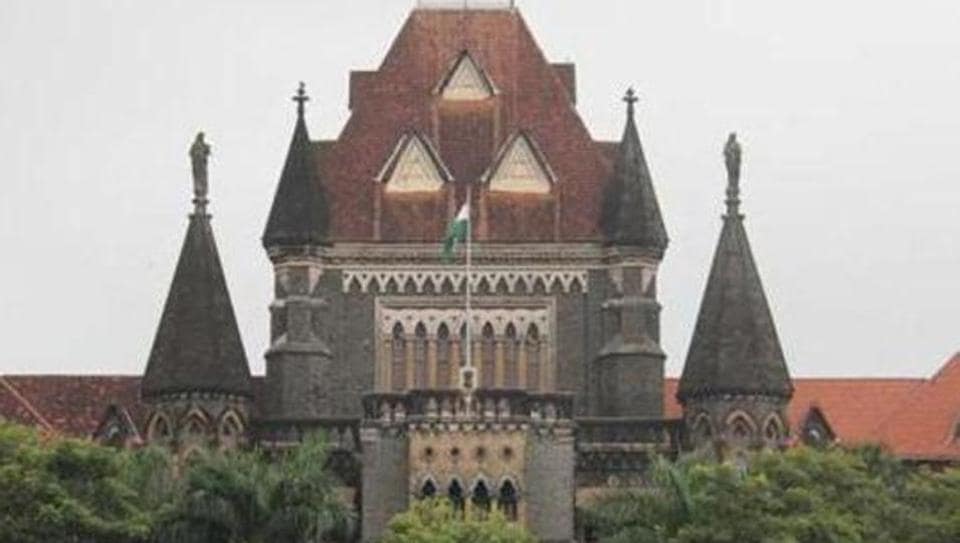
Bombay high court refuses to stay admissions to PG medical courses
This litigation comes a day after the HC ordered a stay on admissions to PG dental courses in Maharashtra after three aspirants filed a similar stay petition, contending how seats were distributed among various castes.


The Bombay high court (HC) on Friday refused to put postgraduate (PG) medical admissions on hold, following a plea submitted by 10 general category aspirants who requested a stay on the process.
This litigation comes a day after the HC ordered a stay on admissions to PG dental courses in Maharashtra after three aspirants filed a similar stay petition, contending how seats were distributed among various castes.
With the first list of seats for PG medical courses being allotted on Friday, the HC bench of justices, Sunil Shukre and Pushpa Ganediwala, listed the matter for hearing on Wednesday.
Both sets of petitioners argued the government used different methods to apply reservation for socially and educationally backward castes (SEBC) and other categories in private and government colleges.
According to the petitioners, the government’s decision to calculate 16% SEBC quota in all private colleges — including 35% institute and 15% non-resident Indian (NRI) quota seats — but to calculate reserved seats for candidates belonging to scheduled caste (SC), scheduled tribes (ST), other backward castes (OBC), vimukta jatis (VJ), nomadic tribes (NT) and economically weaker section (EWS) only on ‘available’ seats — the 50% seats left after removing institute and NRI quotas — is discriminatory.
The petitioners requested the court to calculate SEBC quota on the basis of available seats so that more seats will be available to general category.
The state fills only half the seats in all medical and dental colleges. In government-run colleges, the remaining 50% All India Quota (AIQ) seats are filled by the Centre’s Directorate General of Health Services, while in private colleges, 35% seats are filled at the discretion of the institutes and 15% seats are reserved for NRIs. According to the seat matrix issued by the state common entrance test cell, 76 out of 460 (16%) seats in private colleges are reserved for Marathas, while 36 (8%) seats are there for general category students. In government colleges, the Maratha quota is applicable for 156 out of 1,937, or 8% of the seats, owing to SEBC seats being calculated on available seats.

Stay updated with all the Breaking News and Latest News from Mumbai. Click here for comprehensive coverage of top Cities including Bengaluru, Delhi, Hyderabad, and more across India along with Stay informed on the latest happenings in World News.


