
 E-Paper



Covid-19: HC tells Maharashtra to compensate kin of those who died due to negligence
The court made the observation while hearing a public interest litigation (PIL) filed by Ashish Shelar, a BJP MLA

 Prefer HTon Google


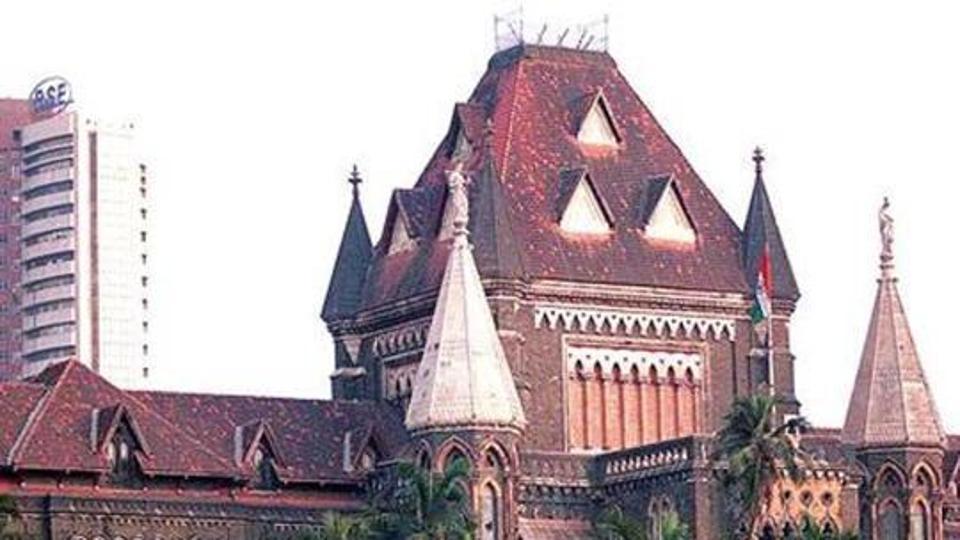
The Bombay high court (HC) has observed that the Maharashtra government has an overriding responsibility and should compensate the families of coronavirus disease (Covid-19) victims in instances of alleged culpable negligence by the state authorities and hospitals run by civic bodies in disposal of their bodies.
The court made the observation while hearing a public interest litigation (PIL) filed by Ashish Shelar, a Bharatiya Janata Party’s (BJP) member of the Maharashtra legislative assembly (MLA).
Shelar pointed out 11 instances of alleged negligence in the management of bodies of Covid-19 victims by hospital authorities.
The HC also asked the Maharashtra government to adopt the guidelines issued in March by the Union Ministry of Health and Family Welfare (MoH&FW) and the additional directives given by the Calcutta HC in its September 16 order.
Also read: India exceeds WHO’s Covid-19 tests advisory by 6 times, says govt
The HC is not clear which guidelines are being followed by the Maharashtra government for the management of bodies of Covid-19 victims.
The state has also been directed to file an affidavit by November 4 elaborating the steps taken in the 11 instances of alleged negligence in the management of bodies of Covid-19 victims by hospital authorities.
Shelar has also been permitted to give suggestions for additional guidelines for the management of bodies of Covid-19 victims before or after November 4.
A two-member HC division bench, comprising chief justice Dipankar Datta and justice NJ Jamadar, heard the submission of senior advocate Rajendra Pai, who stated that the PIL sought accountability and deterrence regarding management of bodies of Covid-19 by hospitals that are run by civic authorities.
The plea was filed following a viral video grab of Covid-19 victims, who were lying in a civic body-run hospital, where patients suffering from the viral infection were also undergoing treatment.
Pai submitted that there was lack of clarity about the guidelines adopted by the Maharashtra government regarding the management of bodies of Covid-19 victims in hospitals run by civic bodies.
The plea prayed before the court that the state government should be asked to clarify about the lacunae and also compensate the families of Covid-19 victims, who suffered due to alleged negligence of the hospital authorities.
State pleader Kedar Dighe cited that the Aurangabad bench of Bombay HC is hearing a case regarding the payment of compensation to the next of kin of a woman (82), who had gone missing from a Covid-19 ward of Jalgaon Civil Hospital on June 2 and was found dead eight days later in one of the toilets of the healthcare facility.
Dighe submitted that the civic authorities in Mumbai and other parts of Maharashtra were liable for negligence.
The HC responded to Dighe’s contention and said: “The state has an overriding responsibility. If the instances are true, it would suggest culpable negligence on the part of the hospitals and the victim’s family will be entitled for compensation. We are just awakening the state to its responsibility and it should devise some mechanism to compensate the families of the victims.”
The bench said that the management of bodies of Covid-19 victims was a larger issue, which is pending before the Supreme Court (SC) and it would await the top court’s decision on it.


