
 E-Paper



Earlier draft had banned construction within 1km from SGNP
While the draft notification allowed no new constructions within 1km of the park’s boundary, and made no mention of the Metro III car shed, the final notification has done away with the restrictions.

 Prefer HTon Google


The notification on the eco-sensitive zone (ESZ)around the Sanjay Gandhi National Park (SGNP) has opened the doors to extensive construction around the park, citizens groups and environmentalists have said.
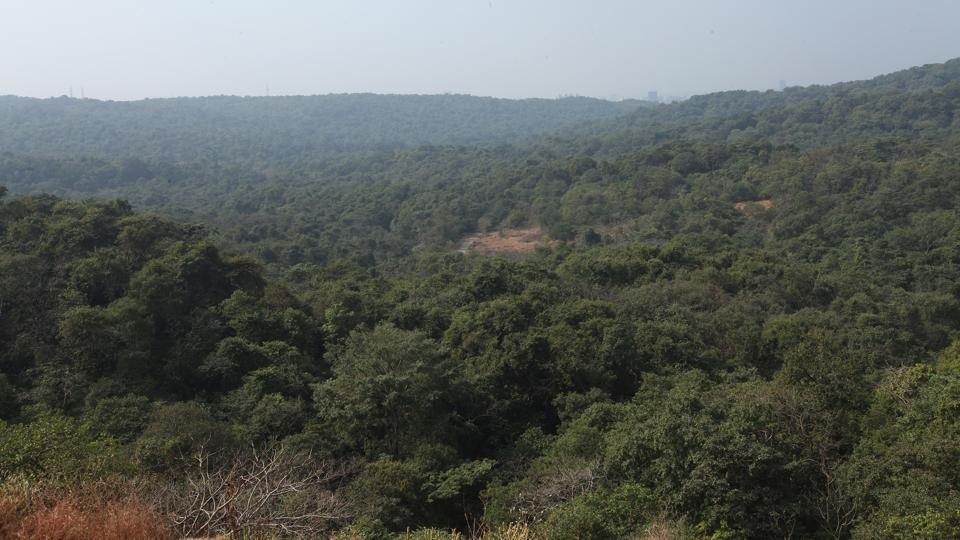
While the draft notification allowed no new constructions within 1km of the park’s boundary, and made no mention of the Metro III car shed, the final notification has done away with the restrictions.
The union environment ministry on December 5 issued a final notification demarcating an area of 59.456 sqkms around the 103sq km national park as the buffer zone – ranging between a radius of 100 meters and 4kms from the park’s boundary. The notification allows new construction and under construction projects up to a radius of four kilometres if sanctioned by concerned local self-government under approved Development Plan under the Maharashtra Regional and Town Planning Act.
“The final notification is a clear departure from the objective to protect the protected area since the government has virtually allowed construction in ESZ,” said Godfrey Pimenta of the Watchdog Foundation, a citizens group. “During the months between the draft and final notifications, the builder’s lobby must have put pressure on the government. Development is so close to the national park border that builders would have been affected with a larger buffer zone.”
Over the last one year, various groups across Mumbai have protested over the construction of the Metro III car shed in Aarey Colony, with a petition against it being heard at the western bench of the National Green Tribunal. In October, chief minister Devendra Fadnavis had said that the car shed would come on Aarey land.
“So many objections were sent against setting up the car shed. Despite that, the final notification has included its construction. It goes on to show that the Centre has only considered the opinion of the state government,” said Pimenta.
With incidents of leopards spotting in thickets at Aarey Milk Colony and residential complexes, wildlife experts said the forest department should not be pressurised into trapping animals to avoid man-animal conflict. “No matter what is constructed, leopards are going to come. If they let the leopards be, realising that they are also there to share the space, there won’t be conflict,” said Vidya Athreya, wildlife biologist. “If the leopard is trapped and released at another location, then the animal will start attacking humans because they are displaced.”
Athreya added, “People have to learn to live with leopard, and therefore precautions in terms of garbage disposal by residents so as not to attract them will have to be taken.”
Environmentalists have also questioned the formation of the 13-member monitoring committee that will check for compliance to the rules set by the final notification. “Permissions are being masked under the guise of the monitoring committee that is headed by the BMC chief. The municipal commissioner whose mandate is to construct and not to protect will sit in judgment of his own Development Plan,” said Stalin D of non-government organization Vanashakti.
Stalin added, “The purpose of the ESZ is to restrict and contain the destruction. The monitoring committee then should have been the forest department, headed by the chief conservator of forests.”
Read: Centre marks buffer zone around Sanjay Gandhi National Park, allows construction work


