
 E-Paper



Mumbai civic body sets big target to cut waste generation
BMC has been facing flak from the HC for ineffectively managing the waste. The court has also imposed a ban on new construction in the city until BMC figures out a way


With a September deadline, the Brihanmumbai Municipal Corporation (BMC) wants to reduce waste generated in the city daily by around 2,000 metric tonnes. On an average, the BMC collected 8,722 metric tonnes of wet waste a day in January and it expects to reduce this to 6,798 metric tonnes by September. Around July, BMC had sought a two-month extension from the Bombay high court (HC) to prepare a waste management plan for the city.
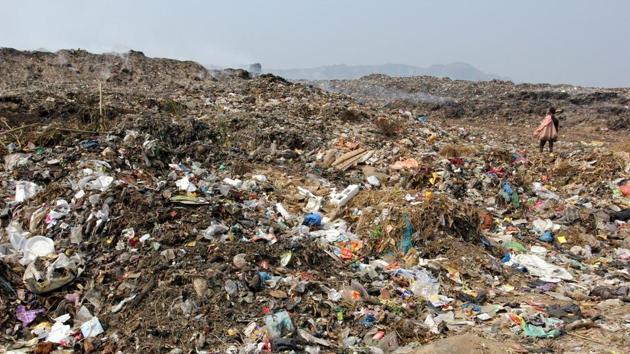
BMC has been facing flak from the HC for ineffectively managing the waste. The court has also imposed a ban on new construction in the city until BMC figures out a way.
By October, the BMC plans to bring down the figure to 6,241 metric tonnes. “We are identifying bulk generators in every ward and trying that 30-50 metric tonnes in each ward on an average be processed at source. We are also organising an exhibition of processing units in September that can be bought by bulk generators,” said a senior civic official from the solid waste management (SWM) of BMC.
In order to reduce the waste from reaching Mumbai’s saturated dumping grounds, BMC has identified 3,084 bulk generators who will be expected to process wet waste in their own premises. Starting October 2, the civic body will stop collecting wet waste from these bulk generators. The bulk generators include those establishments and housing societies that have an area of more than 20,000 square metres or those producing more than 100kg wet waste daily.
According to data, the bulk generators together produce 1,345.13 metric tonnes of wet waste daily. The highest number of bulk generators are in K/West ward of Andheri — 565 who produce 71 metric tonnes of wet waste — followed by 458 in P/North ward of Goregaon who produce 152 metric tonnes of waste daily. The bulk generators have already been served a notice to install a waste processing unit in their premises.
Of the three dumping grounds in the city — Deonar, Mulund and Kanjurmarg — only the last one has facilities of scientifically processing waste.
Deonar and Mulund have to be shut as they have already reached their saturation point. The BMC plans to set up a waste-to-energy plant in Deonar.

Stay updated with all the Breaking News and Latest News from Mumbai. Click here for comprehensive coverage of top Cities including Bengaluru, Delhi, Hyderabad, and more across India along with Stay informed on the latest happenings in World News.


