E-Paper



School, state must take care of students with disabilities: HC
The bench was hearing a plea filed by the parents of a Class 7 student of a Nashik-based private school, who was suspended for being overly “aggressive” and “hyper active.”

 Prefer HTon Google


The Bombay high court, in a recent order, rapped the state government and a private school for their failure to create a conducive environment for specially-abled students under the provisions of the Right to Education Act (RTE).
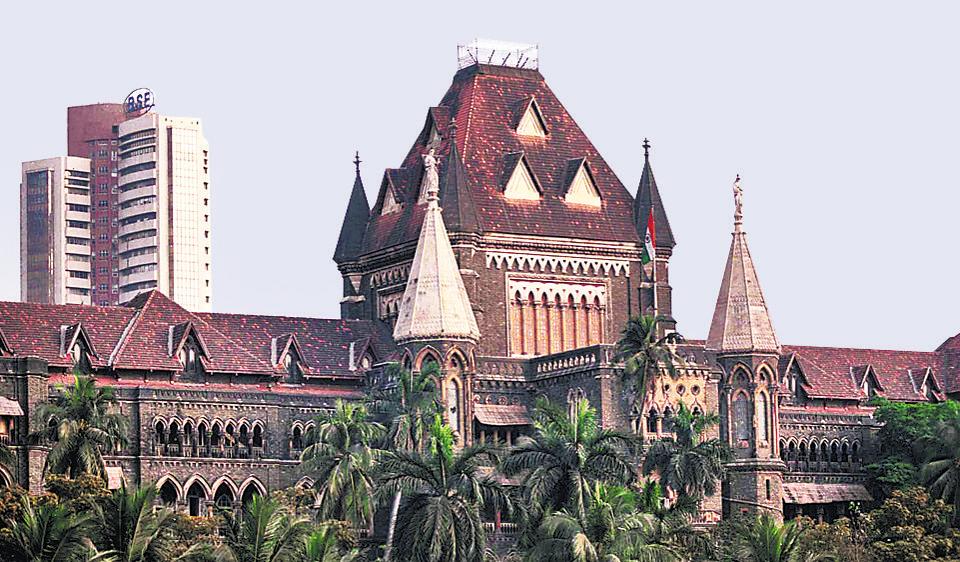
A bench comprising chief justice Manjula Chellur and justice MS Sonak reminded the state and all schools, that under the RTE, “no school can deny admission to a child on the grounds of disability” and that it was the duty of the state to sensitise teachers and staff to the needs of such children. The bench added that all infrastructure and teaching-related handicaps must be done away with.
The bench was hearing a plea filed by the parents of a Class 7 student of a Nashik-based private school, who was suspended for being overly “aggressive” and “hyper active.”
The student suffers from attention deficit hyperactivity disorder (ADHD). According to experts, ADHD can induce an ongoing pattern of inattention and/or hyperactivity.
The school however, failed to take this into consideration and suspended him about two-and-a-half months ago. The institution said, among other things, that he would “poke his classmates with pencils and compasses” and was creating a nuisance in class.
The court however, was categorically displeased by the school’s conduct and went on to say that such insensitivity could have a “bad impact on him.” “You must take special care of such children, else, the time is not far when we will also face a situation similar to that of western countries, where the youth go around firing in schools and colleges,” it said.
The court summoned the school’s principal and the student’s class teacher and got them to meet a psychiatrist and the student’s parents.
It has now directed the student’s mother to accompany him to class for a week. His father must accompany him for a month. The school must arrange for a ‘shadow teacher’ and ensure there is a “congenial atmosphere for the child.”
The court also directed the school to create a separate training programme for the child to compensate for the loss incurred when he missed classes.
The court is likely to take up the matter for further hearing on January 9.
Read
Schools cannot selectively apply RTE provisions: Bombay High Court