
 E-Paper



The year that transparency became real for builders in Mumbai
Transparency is for real (estate) – this is how experts define 2017 for the sector, which has been battling a slowdown for years.


Transparency is for real (estate) – this is how experts define 2017 for the sector, which has been battling a slowdown for years.
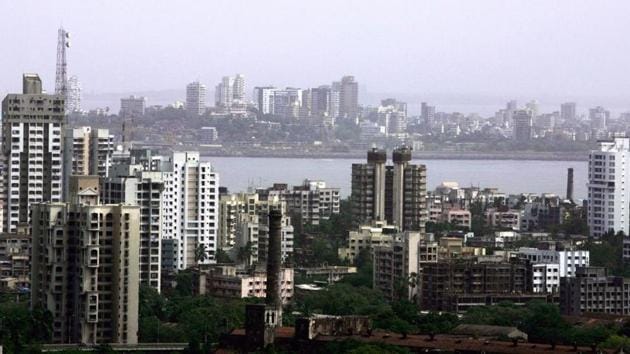
The year saw developers put a major thrust on affordable houses, with builders focusing on end-users instead of investors. The slowdown, however, is still lingering, leading to a dip in new launches as well as sales.
The Real Estate (Regulation and Development) Act 2016 or RERA Act, which came into effect on May 1, mandates that builders disclose their project details, including when they will give possession of flats to homebuyers.
“RERA is a game-changer, as now only reputable and competent builders will remain in the fray,” said Amit Ruparel, managing director, Ruparel Realty, which have 10 projects underway in Mumbai.
Pankaj Kapoor, CEO, Liases Foras, a real-estate research group, said, “Builders have become more disciplined and the whole thrust is on the homebuyer. They have become accountable.”
Demonetisation, announced last year, ensured a slow start for sales in 2017.
“This year saw a lot of builders reducing prices both directly or indirectly. We saw some great offers too,” said Samantak Das, chief economist and national director (research), Knight Frank India, a real estate consultancy firm.
Das said the year saw builders offering 1 BHK (bedroom hall kitchen) flats below Rs1 crore in Mumbai.
Many builders were seen creating compact houses. “Builders who confined themselves to luxury and premium houses have now joined the affordable housing segment,” said Anuj Puri, chairman, Anarock Property Consultants.
“Today, affordable houses are no longer confined to the outskirts, but visible very much in Mumbai,” said
Puri.
Builders such as Omkar realty and Rupurel, who launched affordable projects with 1BHK costing less than Rs1 crore, saw good sales.
The year also saw the introduction of goods and service tax (GST) which acted as a dampener. Here’s why -- 12 % GST and 6 % stamp duty, means a buyer has to pay an additional Rs18 lakh for a Rs1-crore apartment.
The year also marked growth revival for online search traffic. “The conversion of this traffic into final sales is still low, as most buyers are end-users and are exploring more ready-to-move-in apartments,” said Sunil Mishra, group chief strategy officer – Housing.com and PropTiger.com.
The unsold house inventory for Mumbai Metropolitan Region (MMR), however, touched a record 2.62 lakh.
“The year saw consolidation and rationalisation of prices. The huge inventory is a pile-up of years. It will come down once the sales improve,” said Kapoor.

Stay updated with all the Breaking News and Latest News from Mumbai. Click here for comprehensive coverage of top Cities including Bengaluru, Delhi, Hyderabad, and more across India along with Stay informed on the latest happenings in World News.


