
 E-Paper



Top five noisiest traffic junctions in Mumbai
As the Mumbai traffic police kickstarts its 10-day campaign to curb high noise levels from today, HT takes a look at five of the noisiest traffic junctions in the city


Three silence zones are among the noisiest roads in Mumbai.
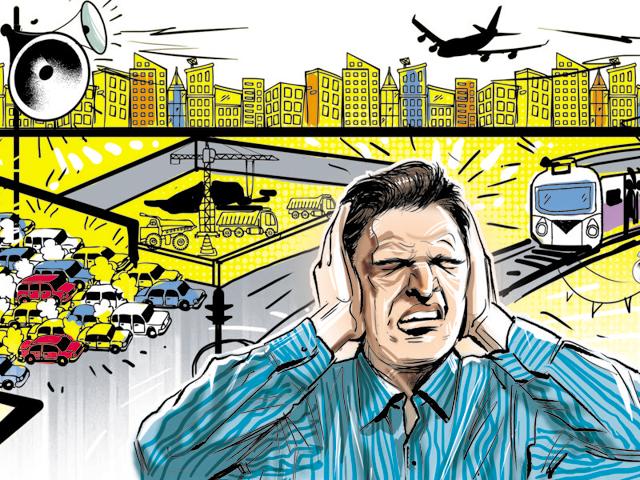
In the absence of noise limits or restriction on honking in India, busy traffic junctions have noise levels that are hazardous to health. The average noise level from vehicle horns in Mumbai is 110 decibels (dB) – that is as high as a live rock band. This is significantly above the estimation by the World Health Organisation (WHO) that says long- term exposure to noise levels from 85db to 90db is enough for hearing loss.
As the Mumbai traffic police kickstarts its 10-day campaign to curb high noise levels from Thursday, HT takes a look at five of the noisiest traffic junctions in the city and problems related to them, according to a study conducted by anti-noise campaigner Awaaz Foundation earlier this year.
Mohammad Ali Road, south Mumbai

Noise levels - 105.8 dB
Area – Silence Zone
Problem - Continuous honking in this area, which is amplified since it is under a flyover. The sound echoes due to the presence of buildings on all sides. The survey adjudged noise levels to be the loudest at this traffic junction in Mumbai.
Dadar station, junction near Dadar market (Flower market)
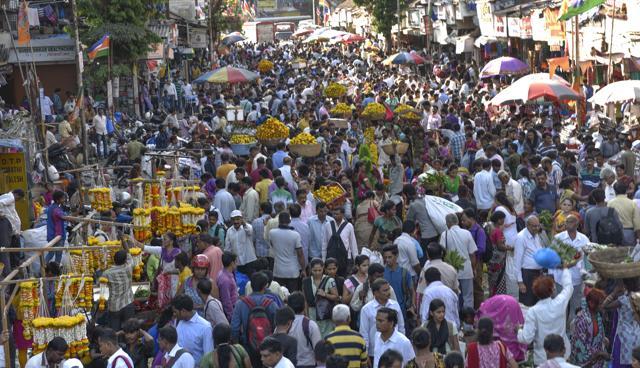
Noise levels - 101.3 dB
Area – Residential Zone
Problem – Non-stop honking on the narrow road that leads to Dadar Station. Also, vehicles parked on either the side of the road makes it a single-lane traffic junction on both sides, with vehicles moving at a slow pace during busy traffic hours.
Traffic junction opposite Sir JJ Hospital, Nagpada-Mumbai Central
Noise levels - 97.7 dB
Area – Silence Zone
Problem – Improper traffic management between the by-lane and a road going up towards JJ flyover. Continuous honking even when there is no traffic jam. Since, motorbikes are not allowed to go on the flyover, their haphazard movement at the junction add to the congestion and excess honking.
Sion Circle
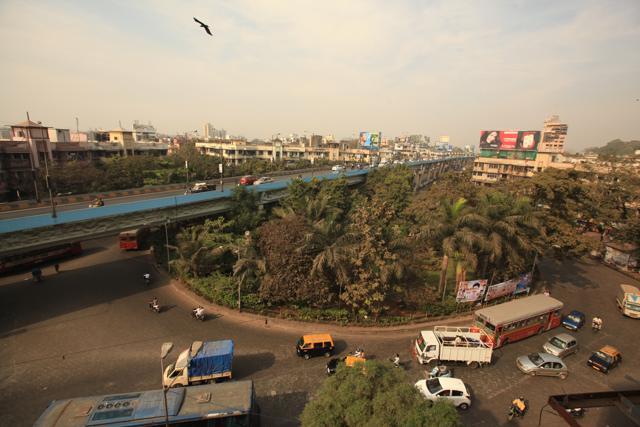
Noise levels - 97.4 dB
Area – Residential Zone
Problem – With a number of potholes in the area, vehicles navigating their way through the circular route, cut lanes that lead to incessant honking. Noise levels are also amplified becausae of a flyover just above the circle.
Flora Fountain (opposite Bombay high court)

Noise levels - 97.1 dB
Area – Silence Zone
Problem – Traffic lights at this junction turn green in a span of two minutes. Within this time frame, owing to narrow roads, traffic congestion leads to constant honking. Constant pedestrian traffic is another reason for high noise levels.
ENVIRONMENTALISTS SPEAK
“Traffic in Mumbai is the most continuous source of extreme noise pollution throughout the year, often continuing through the night,” said Sumaira Abdulali, convener, Awaaz Foundation. “The initiative by the Mumbai Traffic Police to conduct a sustained enforcement campaign is welcome. Noise from unnecessary honking, which impacts all of us on a daily basis needs to be contained.”
DOCTORS SPEAK
According to doctors, exposure to high decibel noise causes hearing loss, high blood pressure, mental health illness and even cancer. ““Excessive noise from sources such as honking can cause various health problems related to the heart, mental health and can even lead to cancer,” said Dr John Panicker, national coordinator of Indian Medical Association’s Safe Sound Initiative.
Traffic policemen worst hit
After its study of recording noise at various traffic junctions, Awaaz Foundation tested the hearing of traffic policemen and found their hearing ability was affected because of constant honking.
“We found the policemen were unaware they were suffering from marginal hearing loss because of constant exposure to noisy traffic junctions,” said Abdulali. “While they are trying their best to help regulate traffic in the city, exposure to high noise levels daily is taking a toll on their health.”
HOW MUCH NOISE IS TOO MUCH?
Healthy hearing threshold 0dB
Pin dropping 10dB
Rustling leaves 20dB
Sound of river water 40dB
Light traffic, refrigerator 50dB
Conversational speech, air conditioner 60dB
Vacuum cleaner 75dB
Alarm clock 80dB
Live rock band 115dB
Steel mill 120dB
Thunderclap, chain saw 130dB
Jet take-off (at 25 metres) 150dB
(Decibel scale chart from World Health Organisation)
Noise standards as laid down in Noise Pollution (Regulation andControl) Rules, 2000
Residential area
Day time limit (in dB) (6.30am to 8.30pm): 55
Night time limit (in dB) (8.30pm – 6.30am): 45
Silence zone
Day time limit (in dB) (6.30am to 8.30pm): 50
Night time limit (in dB) (8.30pm – 6.30am): 40
Stay updated with all the Breaking News and Latest News from Mumbai. Click here for comprehensive coverage of top Cities including Bengaluru, Delhi, Hyderabad, and more across India along with Stay informed on the latest happenings in World News.


