
 E-Paper



70 years on, 2 lakh Indians still live the life of refugees in J-K
They crossed over to be a part of India in the hope of a better future in 1947. The two lakh odd refugees from West Pakistan (now Pakistan) chose to make Jammu and Kashmir their home. But 70 years on, they continue to live in a state of despair.

 Prefer HTon Google


They crossed over to be a part of India in the hope of a better future in 1947. The two lakh odd refugees from West Pakistan (now Pakistan) chose to make Jammu and Kashmir their home. But 70 years on, they continue to live in a state of despair.
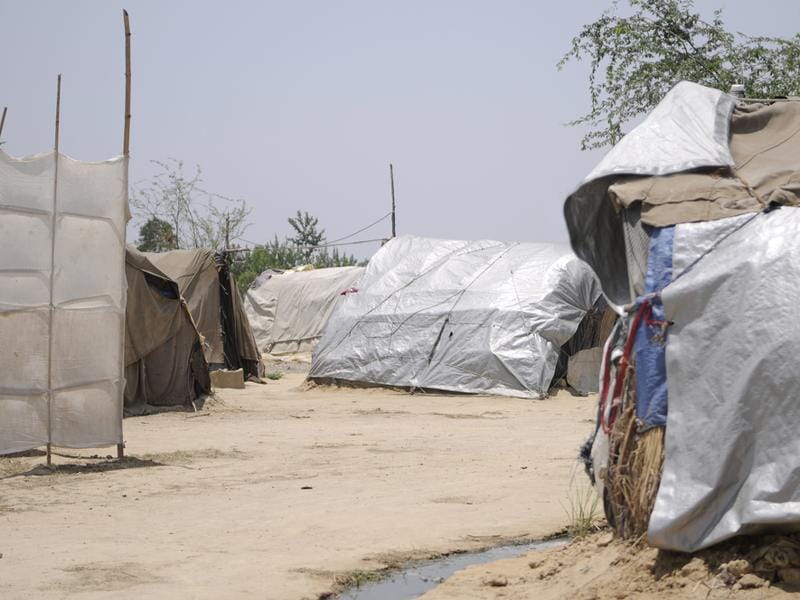
Despite being residents of J&K, these former refugees have no rights there. They cannot purchase land, can’t vote in state elections, nor can they get any state government jobs. As a result, they continue to live the life of a refugee despite being Indian citizens.
Hope seems to have come their way with the Supreme Court taking note of their plight. A bench on Friday issued notice to the Centre and J&K government on a petition by these refugees demanding a permanent residential certificate (PRC). They have to respond within four weeks.
The refugees contended their basic human rights to live with dignity had been curtailed by the state administration, which in 1956 took a decision to deny them PRC. Residing in border areas of Jammu, they belong to the ‘lower castes’ and had been surviving by doing menial jobs.
Their counsel Rajeev K Panday said they settled in J&K because the families were not financially well off to travel.
In the case of his clients too, Panday said, they were promised state residency. But in 1954 when the government of India introduced Article 35A by a Presidential order, things changed for these refugees. The provision gave right to J&K to decide who were entitled for PRC. Two years later, the state adopted its own constitution under which it denied them permanent residency.
“It is strange that the petitioners can cast votes in Parliamentary elections but can’t elect their councillor or legislator. Similarly, they can get central jobs but not state ones. They cannot buy land in their name where they live and are also not entitled to get admission in governmentrun engineering and medical colleges,” Panday said.


