E-Paper



Trump’s $100,000 H-1B fee blocked again: California judge halts administration enforcing charge on foreign workers
California Judge has blocked US agencies from enforcing President Donald Trump’s $100,000 fee on certain new H-1B workers.

 Prefer HTon Google


A federal judge in California has blocked US agencies from enforcing President Donald Trump’s $100,000 fee on certain new H-1B workers, delivering another setback to one of the administration’s most restrictive measures targeting high-skilled foreign workers.
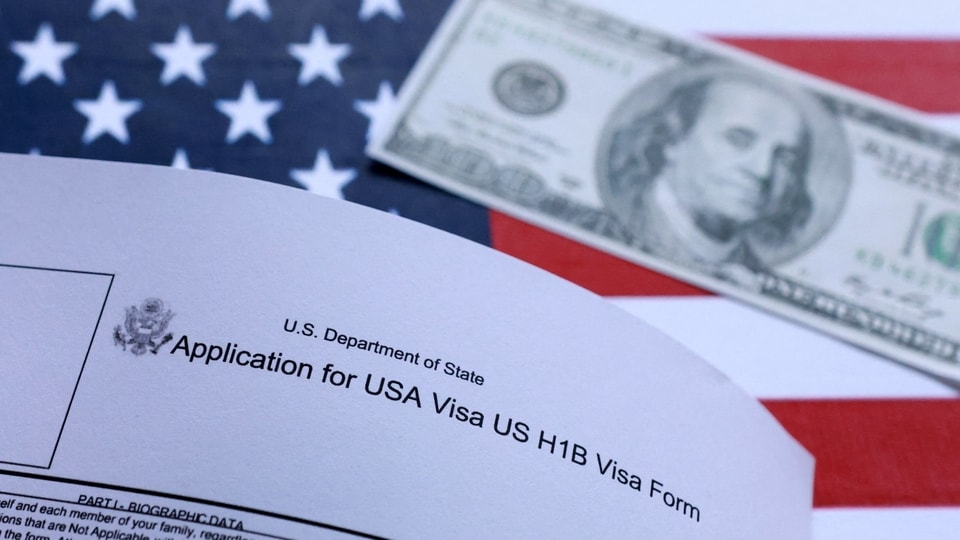
US District Judge Haywood S. Gilliam Jr. ruled on Wednesday, September 30, that US Citizenship and Immigration Services (USCIS) and US Customs and Border Protection (CBP) cannot implement or enforce policies tied to the fee and a White House extension issued this month until the administration follows the notice-and-comment rulemaking process required under the Administrative Procedure Act, Bloomberg Law reports.
The ruling came in Global Nurse Force v. Trump, a lawsuit brought by healthcare, education, religious and labor organizations challenging the administration’s H-1B fee. The case is pending in the US District Court for the Northern District of California.
Second federal court blocks the H-1B fee
The California ruling is the second major federal court decision to halt the administration’s $100,000 H-1B charge.
In June, a federal judge in Boston ruled against the fee in a separate case brought by 20 states. The administration appealed, but the First Circuit Court of Appeals later declined to pause that ruling, leaving the fee blocked while the litigation continues.
The California case focused partly on whether federal agencies followed the required administrative procedures when they issued guidance explaining how the fee would work, including rules concerning entry and exit from the US and payment of the charge.
Judge Gilliam also rejected the plaintiffs’ request for class certification, finding that it was unnecessary because the injunction against the agencies provided the needed relief.
What the $100K H-1B fee means for foreign workers
Trump's September 2025 proclamation established the $100,000 charge for certain H-1B workers seeking to enter the US from abroad. The measure particularly affected employers hiring workers who were not already in the United States.
The fee did not apply in the same way to workers who were already in the US and obtained H-1B status through processes such as a change of status. That distinction meant recent international graduates transitioning from F-1 student status could be treated differently from workers being brought into the US from overseas.
The administration argued that the president had broad authority under the Immigration and Nationality Act to restrict the entry of foreign nationals. Plaintiffs countered that the president could not use that authority to effectively rewrite the H-1B fee structure established by Congress.
H-1B fee fight is not over
The latest ruling does not end the broader legal battle over the $100,000 charge. A separate lawsuit brought by the US Chamber of Commerce remains pending before the US Court of Appeals for the District of Columbia Circuit.
The administration has also moved toward a separate permanent H-1B fee of about $103,000 through the federal rulemaking process.
The California case will now continue as the court considers the underlying legal challenges to the administration's H-1B policy.