
 E-Paper



India finally decides to implement Athletes Biological Passport
The National Anti Doping Agency (NADA) is set to launch the Athletes Biological Passport (ABP) programme in December


It has been almost nine years since the World Anti Doping Agency (WADA) approved the Athletes Biological Passport (ABP) operating guidelines in December 2009. The basic principle of the programme was to monitor biological variables over time, as it indirectly reveals the effects of doping on individual athletes.
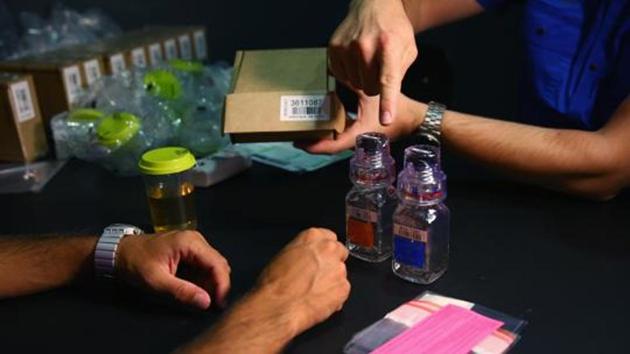
Though India has been ranked thrice on WADA’s global list of dope offenders (2013 to 2015), the ABP programme kept getting postponed for varied reasons. However, the National Anti Doping Agency (NADA) is set to launch the programme in December.
READ | NADA chief warns BCCI over not letting it test in domestic events
NADA director-general Navin Aggarwal says, the move is part of the government’s robust anti-doping measures.
Efforts are on to have ABP for elite athletes before the Commonwealth Games starting next year in April in Gold Coast (Australia). “Initially, we will have 40 athletes under the programme. We have a tie-up with a Japanese company and hope it will be ready by December. Next year, the number will be increased,” said Aggarwal.
The primary focus of the programme will be on track and field athletes, but disciplines such as weightlifting, where doping is a big concern, are also expected to come under the ABP ambit.
READ | Subrata Paul escapes with warning, NADA says no ban
ABP is an ‘indirect detection method’ that involves measuring and monitoring of biological parameters of individual athletes. Abnormal variation in blood profile could indicate doping.
There are two methods --- haematological, which aims at detecting blood doping including use of EPO, while the other is steroid module, which diagnoses anabolic steroids in urine samples.
The International Association of Athletics Federations (IAAF) had launched its biological passport programme in 2009. Portuguese distance runner Helder Ornelas was the first to be banned under IAAF’s biological passport programme in 2012. So far, 30 athletes have been found guilty of doping offence under the project. Many cyclists too have been caught with this programme.
The Athletics Federation of India (AFI) has been saying it has ‘zero tolerance’ for doping, yet many top athletes have been caught in the dope net. The biological passport programme will further target those practicing ‘micro’ doping.
Former Sports Authority of India sports medicine expert Ashok Ahuja says, “Though the initiative is good, the whereabouts clause too should be addressed. Top athletes not in the national camp should be under the radar and periodically subject to random out-of-competition tests.”


