
 E-Paper



Photos| Delhi’s iconic trees: Green panel extended the stay on felling of trees
The National Green Tribunal (NGT) extends till July 27 its order to maintain status quo on tree felling in seven south Delhi colonies. On the last date of hearing, the tribunal had said not a single tree would be cut and status quo be maintained on tree felling till further orders. In continuation of our series, HT brings to you Delhi’s old, iconic trees, reminding everyone why the city needs its lungs more than ever before.
Updated on: Jul 23, 2018 10:05 AM IST

Share via


Copy link

1/8
 View Photos in a new improved layout
Updated on Jul 23, 2018 10:05 AM
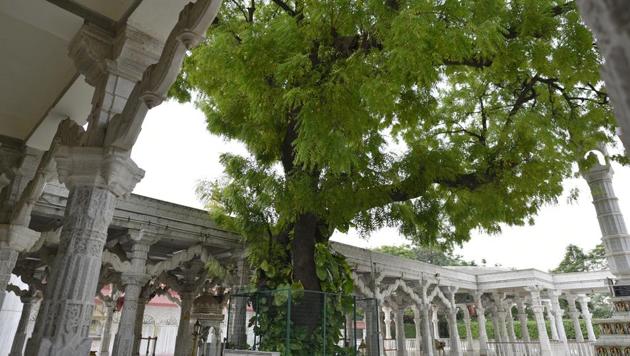
At the Jain Dadabari in Mehrauli, an old Neem tree, classified as natural heritage, adds a splash of green to the serene white complex. (Sanchit Khanna / HT Photo)
2/8
 View Photos in a new improved layout
Updated on Jul 23, 2018 10:05 AM
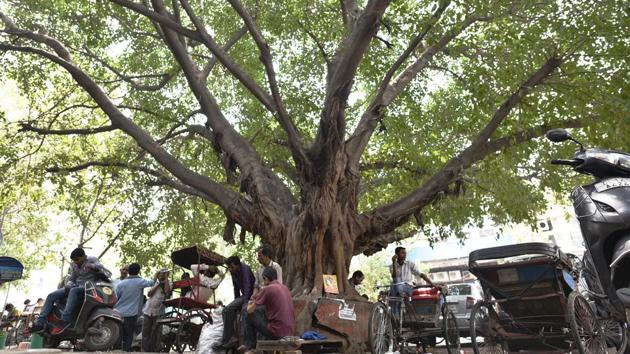
Next is an old Pilkhan tree that serves as a pit stop for commuters in Chandni Chowk. Locals say it was planted in the 1960s, but to determine its exact age is hard because of the way the Pilkhan’s roots envelop its trunk. (Sanchit Khanna / HT Photo)
3/8
 View Photos in a new improved layout
Updated on Jul 23, 2018 10:05 AM
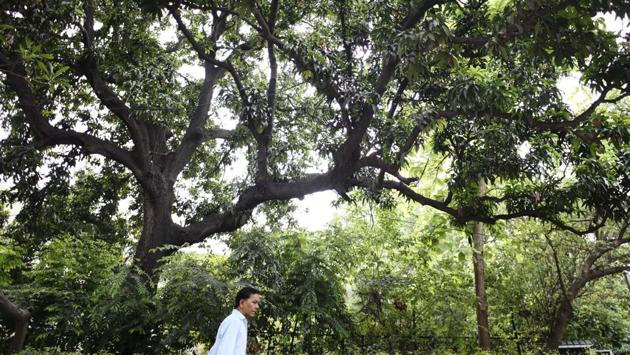
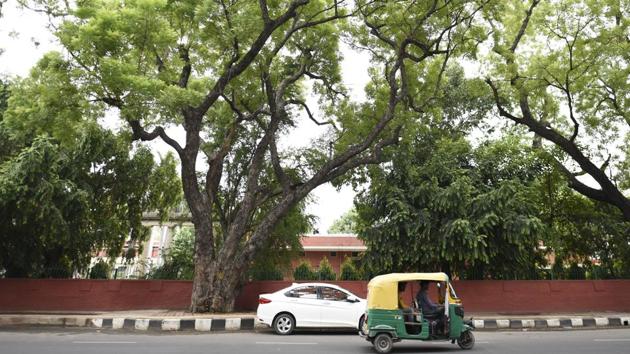
Next is this Eastern Nettle tree on Max Mueller Marg--also serving as a popular landmark for residents. Just by the WWF building, the tree is known as ‘Khirk’ in Hindi and flowers in the months of March-April. (Burhaan Kinu / HT Photo)
4/8
 View Photos in a new improved layout
Updated on Jul 23, 2018 10:05 AM
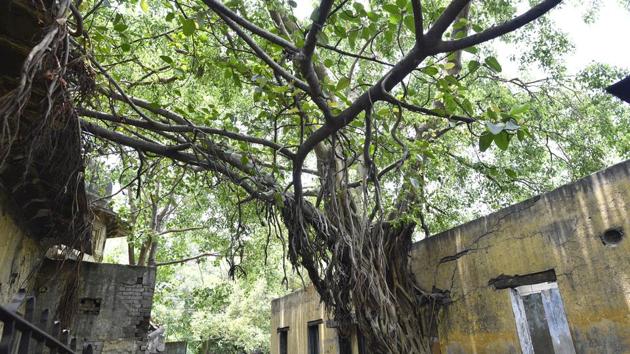
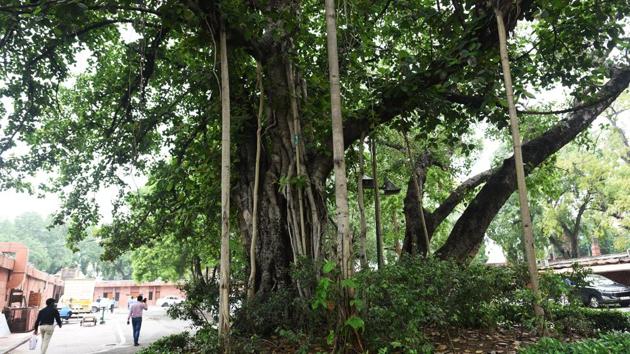
Near the Town Hall in Chandni Chowk, an old Banyan and Pilkhan tree have grown together and through the wall of the building, merging nature into built spaces in the old city. (Sanchit Khanna / HT Photo)
5/8
 View Photos in a new improved layout
Updated on Jul 23, 2018 10:05 AM
Next is the towering Neem tree near the V-C office in DU’s north campus. It is believed to be among the oldest trees in the area. (Burhaan Kinu / HT Photo)
6/8
 View Photos in a new improved layout
Updated on Jul 23, 2018 10:05 AM
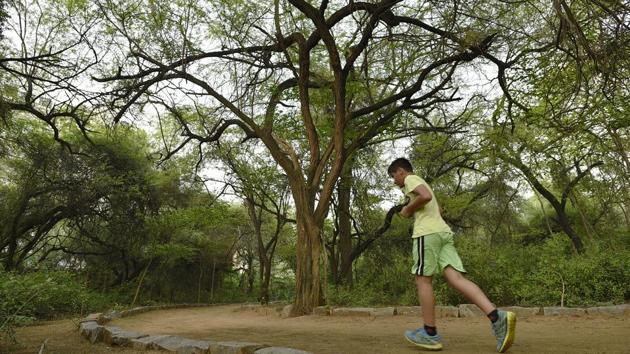
A row of prosopis or Vilati Kikars line Sanjay Van. An invasive, though beautiful Mexican species originally introduced by the British, these beautiful trees have caused some native species to go extinct. (Sanchit Khanna / HT Photo)
7/8
 View Photos in a new improved layout
Updated on Jul 23, 2018 10:05 AM
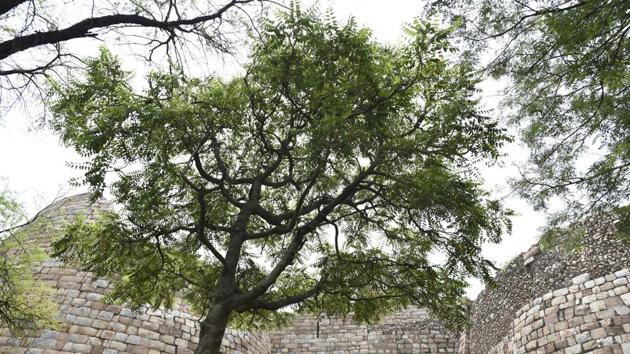
Then there’s the Ailanthus tree, also known as the Maha Neem, among the biggest and oldest trees in the ruins of the Tughlakabad fort. (Burhaan Kinu / HT Photo)
8/8
 View Photos in a new improved layout
Updated on Jul 23, 2018 10:05 AM


