
 E-Paper



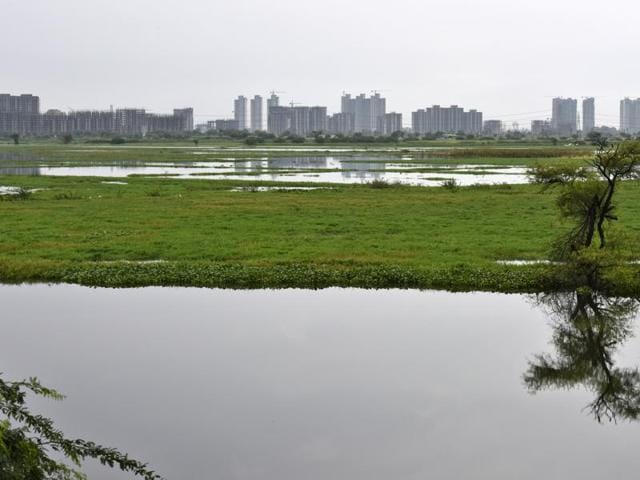
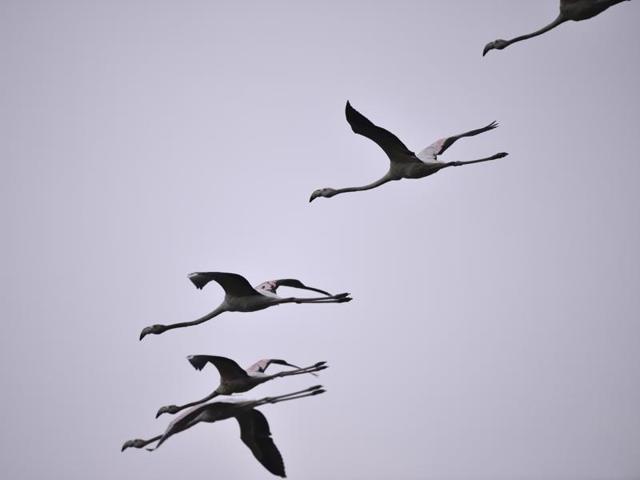
The flamingoes are visiting: Najafgarh lake attracts resident, migratory birds
The Najafgarh drain, the longest drainage system of Delhi, has become an alternative wetland for resident and migratory water birds. (Vipin Kumar/HT Photo)
Updated on: Aug 21, 2016 8:46 AM IST

Share via


Copy link

1/9
 View Photos in a new improved layout
Updated on Aug 21, 2016 8:46 AM
The Najafgarh drain, the longest drainage system of Delhi, has become an alternative wetland for resident and migratory water birds. (Vipin Kumar/HT Photo)
2/9
 View Photos in a new improved layout
Updated on Aug 21, 2016 8:46 AM
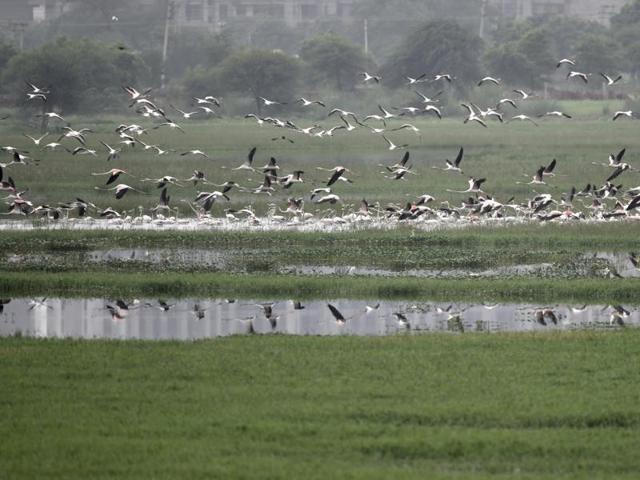
After many wetlands dried up, this remains among the few spots where people can come to watch migratory birds every season. (Vipin Kumar/HT Photo)
3/9
 View Photos in a new improved layout
Updated on Aug 21, 2016 8:46 AM
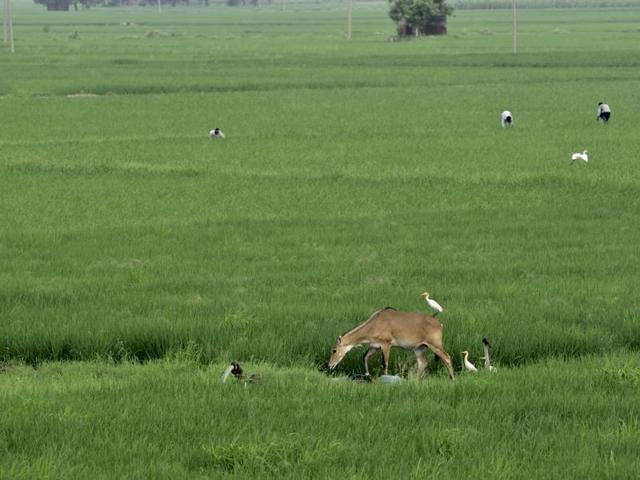
Unlike other parts of the city, the fields in the Najafgarh area are among the few that still preserve ample bird and animal life. Despite nearby human activity, the area has remained untouched. So far. (Vipin Kumar/HT PHOTO)
4/9
 View Photos in a new improved layout
Updated on Aug 21, 2016 8:46 AM
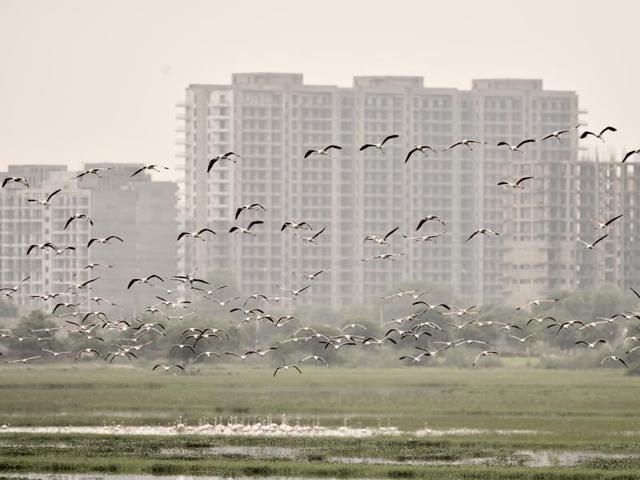
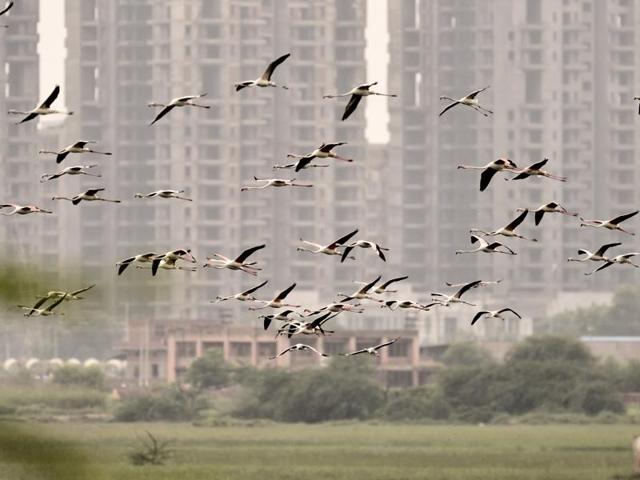
This monsoon, a large group of flamingoes are visiting the wetlands. Last year, distant migratory birds from Central Asia, North Asia and Siberia were spotted during the winter. (Vipin Kumar/HT PHOTO)
5/9
 View Photos in a new improved layout
Updated on Aug 21, 2016 8:46 AM
Less rainfall, rapid urbanisation and construction activities in its vicinity is causing the wetland to dry up. Rapid real estate growth on the wetland fringes is also jeopardising the future of this wetland and the birds fauna that depends on it. (Vipin Kumar/HT PHOTO)
6/9
 View Photos in a new improved layout
Updated on Aug 21, 2016 8:46 AM
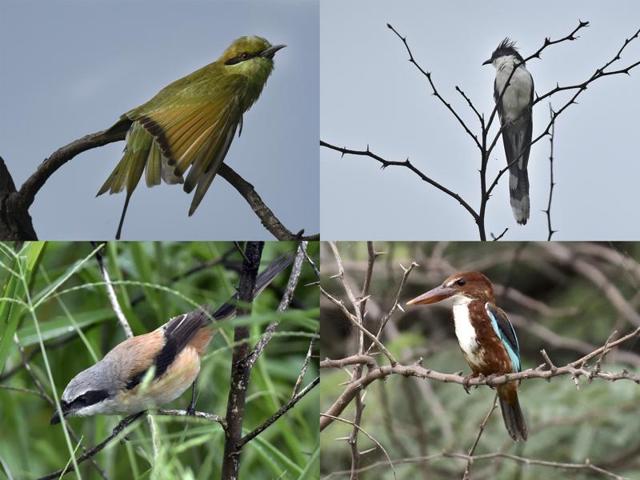
Among the many avian visitors are (clockwise from top left) the Green Bee-Eater, Jacobin Cuckoo, White Breasted Kingfisher and a Long Tailed Shrike. (Vipin Kumar/HT Photos)
7/9
 View Photos in a new improved layout
Updated on Aug 21, 2016 8:46 AM
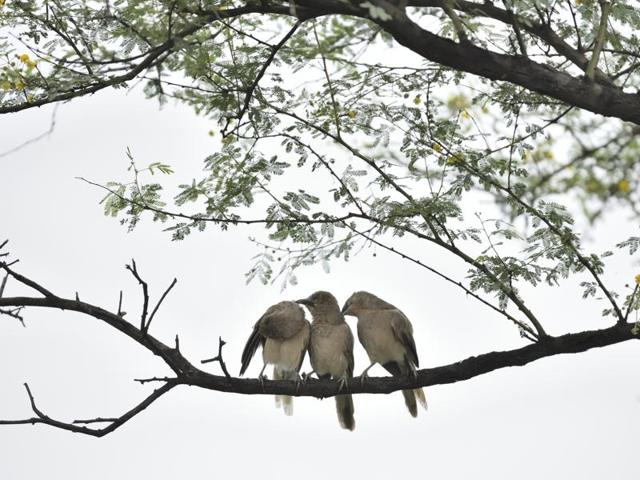
Yellow-eyed babblers groom themselves. These birds are usually found in groups, ranging from five to 15 in numbers, especially in non-breeding seasons. (Vipin Kumar/HT PHOTO)
8/9
 View Photos in a new improved layout
Updated on Aug 21, 2016 8:46 AM
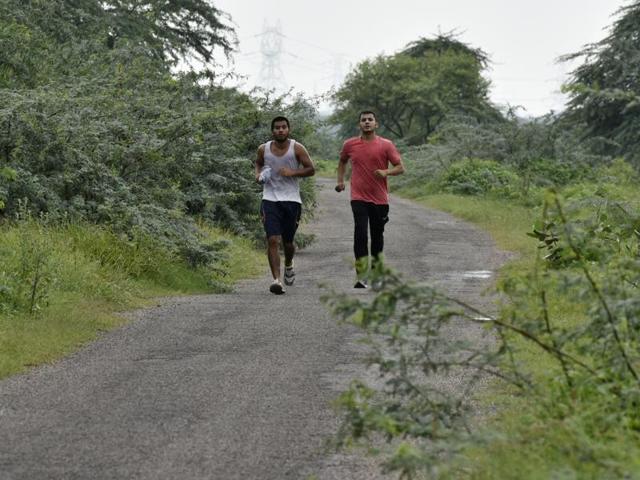
Locals make the most of the fresh, clean air by going for morning jogs near the lake. However, real estate plans will increase human presence in this pristine area, and damage the green zone. (Vipin Kumar/HT PHOTO)
9/9
 View Photos in a new improved layout
Updated on Aug 21, 2016 8:46 AM


