
 E-Paper



Birds of wonder at Mangalajodi, Odisha
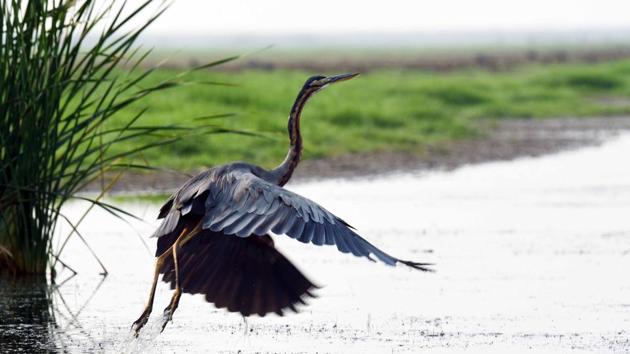
A Purple heron at Mangalajodi wetland. Being part of Chilika lake, it is just 70 Kilometres from the Odisha state capital of Bhubaneswar. Conservation efforts by local community in the last few years have yielded good results, with new species such as Eurasian Spoonbill, Pelicans, Pratincoles, Spot billed ducks and Glossy Ibis being recorded as regular visitors. This year a pair of bar headed geese are new guests to this marshland. (Arabinda Mohapatra)
Updated on: Mar 10, 2017 9:22 AM IST

Share via


Copy link

1/10
 View Photos in a new improved layout
Published on Mar 10, 2017 9:22 AM
A Purple heron at Mangalajodi wetland. Being part of Chilika lake, it is just 70 Kilometres from the Odisha state capital of Bhubaneswar. Conservation efforts by local community in the last few years have yielded good results, with new species such as Eurasian Spoonbill, Pelicans, Pratincoles, Spot billed ducks and Glossy Ibis being recorded as regular visitors. This year a pair of bar headed geese are new guests to this marshland. (Arabinda Mohapatra)
2/10
 View Photos in a new improved layout
Published on Mar 10, 2017 9:22 AM
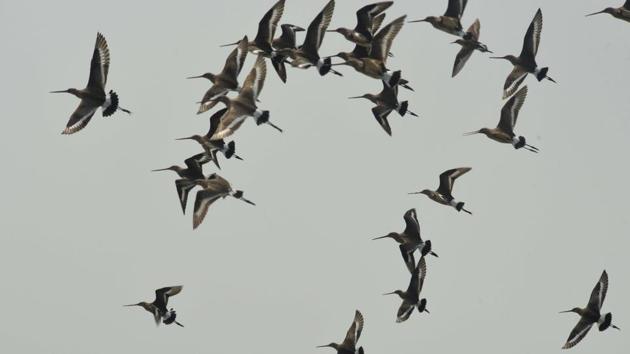
Black Tailed Godwit in flight. Almost 4.5 million migratory birds travel to Mangalajodi every year from Ladakh, Russia and Baluchistan. (Arabinda Mohapatra)
3/10
 View Photos in a new improved layout
Published on Mar 10, 2017 9:22 AM
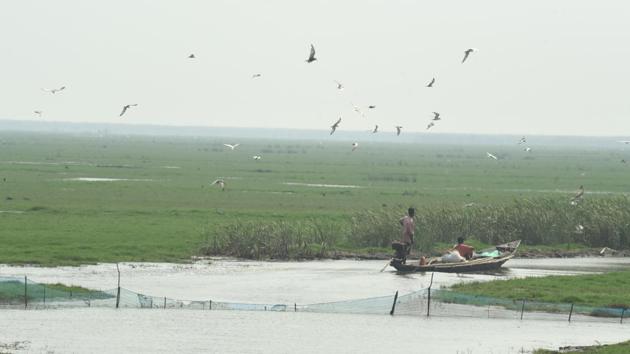
A flock of whiskered tern hovering alongside a fisherman’s boat to get a share of thrown away shells and dead fish. (Arabinda Mohapatra)
4/10
 View Photos in a new improved layout
Published on Mar 10, 2017 9:22 AM
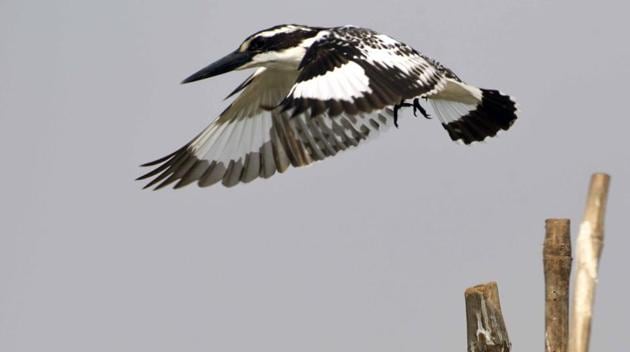
The pied kingfisher with its distinctive black and white plumage.
5/10
 View Photos in a new improved layout
Published on Mar 10, 2017 9:22 AM
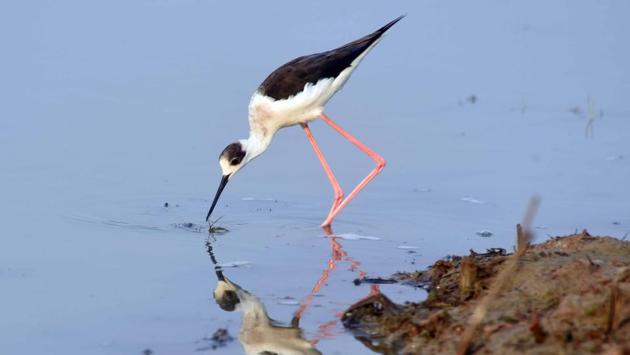
A Black winged stilt migratory bird looks for fish and insects. (Arabinda Mohapatra)
6/10
 View Photos in a new improved layout
Published on Mar 10, 2017 9:22 AM
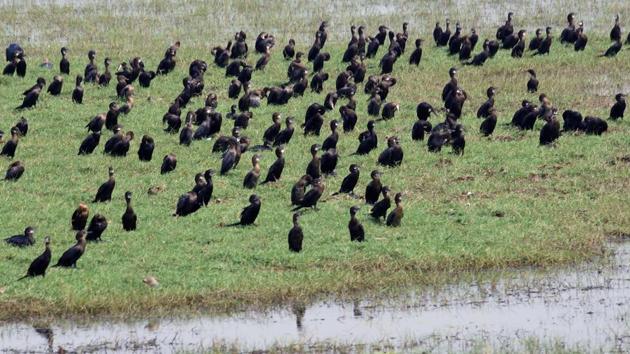
Cormorants sun themselves in the marshy landscape. These birds are believed to have an insatiable appetite for bait fish.
7/10
 View Photos in a new improved layout
Published on Mar 10, 2017 9:22 AM
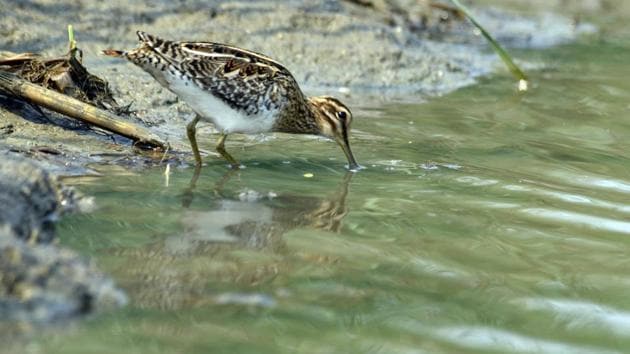
The plump, long-billed Common Snipe birds are among the most widespread shorebirds in the world. (Arabinda mohapatra)
8/10
 View Photos in a new improved layout
Published on Mar 10, 2017 9:22 AM
A clutch of Grey-headed swamphens (Also called the Purple swamphen). (Arabinda Mohapatra)
9/10
 View Photos in a new improved layout
Published on Mar 10, 2017 9:22 AM
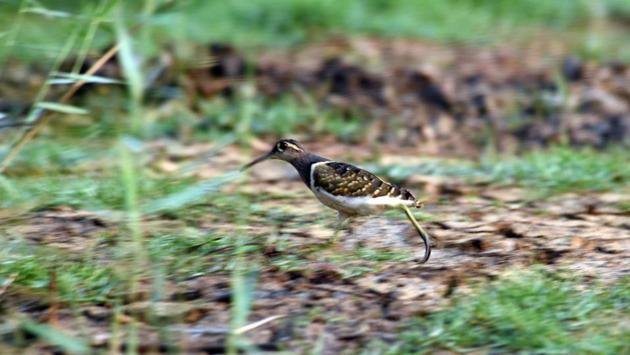
A Painted Snipe runs across the landscape. The birds are short-legged and long-billed birds similar in shape to true snipes, but their plumage is much more striking. (Arabinda Mohapatra)
10/10
 View Photos in a new improved layout
Published on Mar 10, 2017 9:22 AM


