
 E-Paper



Photos: A Parsi daughter’s fight for religious rights and recognition
As Goolrookh Gupta, a Parsi woman who married outside the community, readies for the final hearing of an unusual case to settle her right to attend religious rituals, the community seizes this opportunity to discuss gender biases.
Updated on: Feb 12, 2018 1:17 PM IST

Share via


Copy link

1/8
 View Photos in a new improved layout
Updated on Feb 12, 2018 1:17 PM
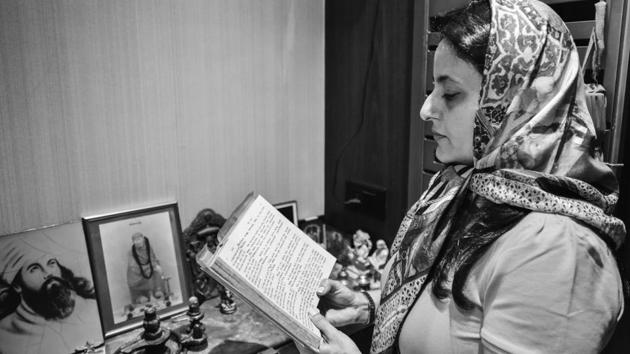
Goolrookh Gupta, daughter of Adi Contractor, a former member of the Valsad Parsi Anjuman (VPA), Gujarat is fighting for Parsi women who have been denied religious rights because they married non-Parsis. She says she moved a PIL in the Gujarat High Court in 2009 to guarantee her right to attend her parents’ funeral rites in the Tower of Silence, the place where Zoroastrians leave their dead. (Kunal Patil / HT Photo)
2/8
 View Photos in a new improved layout
Updated on Feb 12, 2018 1:17 PM
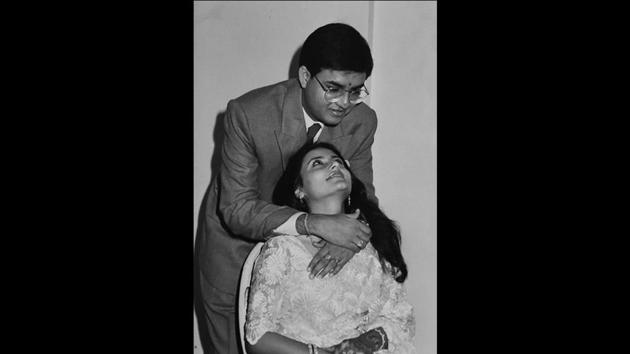
In 1991, Goolrookh wed Mahipal Gupta, a Marwari businessman in Mumbai under the Special Marriage Act, 1954. Goolrookh filled a PIL when two of her friends, who have married outside the community like she has, were stopped from sitting in at their mothers’ funeral ceremonies, in a verandah at the Tower of Silence. (HT File Photo)
3/8
 View Photos in a new improved layout
Updated on Feb 12, 2018 1:17 PM
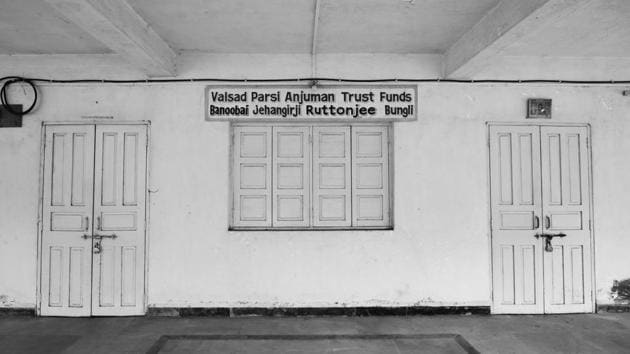
The entry ban also applies to the non-Parsi spouse and the child to a Parsi woman married to a non-Parsi, even if the child’s Navjote ceremony has been performed. Khurshed Dastoor, a high priest of the Parsi community, says, “Goolrookh and other women were allowed to do so by the earlier VPA till this new board of trustees came along. This particular board stopped it, not the community.” (Kunal Patil / HT Photo)
4/8
 View Photos in a new improved layout
Updated on Feb 12, 2018 1:17 PM
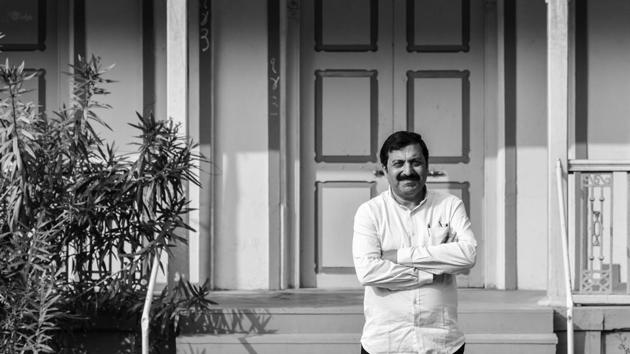
Sam Chothia, the present head of the VPA suggests Goolrookh is an unlikely candidate for fighting for the rights of Parsi women; that Goolrookh is not even Goolrookh; “when she changed her name to Neha Gupta, she became Hindu.” Most Parsi women who have ‘married out,’ feel that children of such marriages do not get the full benefit of the intrinsic progressiveness of the religion. (Kunal Patil / HT Photo)
5/8
 View Photos in a new improved layout
Updated on Feb 12, 2018 1:17 PM
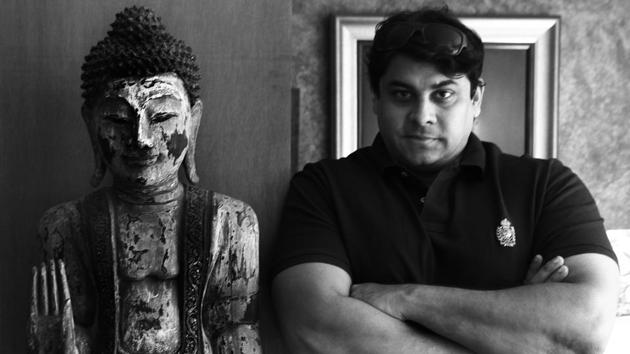
Television personality, Cyrus Broacha, a prominent face of the community, says the unspoken ostracisation that Parsi women who marry out face will impact the community in the long run. “The orthodox section of the community is only interested in one part of the race,” he points out. The racial purity argument, says Goolrookh, is also flawed as the community accepts the children of non-Parsi mothers married to Parsi men. (Anshuman Poyrekar / HT Photo)
6/8
 View Photos in a new improved layout
Updated on Feb 12, 2018 1:17 PM
Adi and Dinaz Contractor, Goolrukh’s parents at their Valsad residence. Examples of arbitrariness have led to reformist initiatives and alternative solidarity networks. Goolrookh and is active with the Association of Inter Marriage Zoroastrians (AIMZ). Inter-marriage is common among Parsis now, according to figures in Parsiana – there were 97 marriages among Mumbai Parsis in 2017, of which inter-faith marriage was 40%. (Kunal Patil / HT Photo)
7/8
 View Photos in a new improved layout
Updated on Feb 12, 2018 1:17 PM
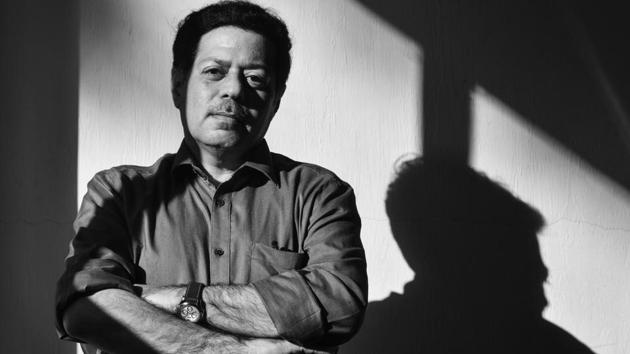
“Women who marry out are often at the mercy of trusts’ whims. A liberal trust may change hands. A woman and her non-Parsi spouse may be allowed to enter the fire temple, and then, suddenly not,” says Vispy Wadia who started the Association for Revival of Zoroastrianism with his brother Kerssie Wadia. One recent initiative has been a fire temple in Pune that allows entry to non-Parsi spouses and children of Parsis married outside the community. (Kunal Patil / HT Photo)
8/8
 View Photos in a new improved layout
Updated on Feb 12, 2018 1:17 PM


