
 E-Paper



Photos: Among Bihar’s poorest, Musahars feed on rats for survival
The Musahar community of Bihar which constitutes total population of aroundn, are among the India’s most marginalized. Generations of have resorted to eating rats and snakes to tackle their starvation. With no education and poor hygiene, most crawl their way through a miserable life by working as unskilled or farm labour.
Updated on: Dec 09, 2017 12:05 PM IST

Share via


Copy link

1/8
 View Photos in a new improved layout
Updated on Dec 09, 2017 12:05 PM
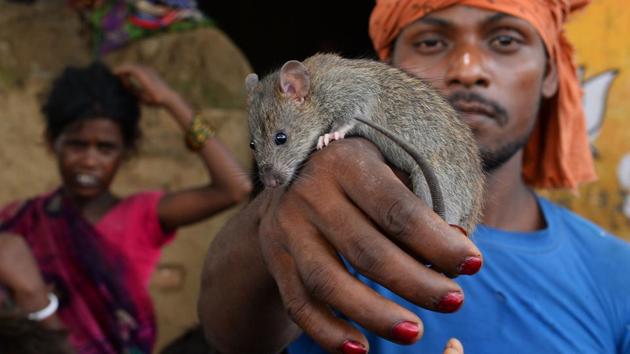
Rakesh Manjhi, 28, holds a rat at Alampur Gonpura village, Bihar. His neighbour Phekan Manjhi eventually pinned it to the ground as neighbours huddled in a grimy courtyard, while he dissected the animal with his fingernails. Phekan is one of about 2.5 million Musahars --‘Rat Eaters’-- one of India’s most marginalised communities, considered among the poorest of the poor in India. (Sajjad Hussain / AFP)
2/8
 View Photos in a new improved layout
Updated on Dec 09, 2017 12:05 PM
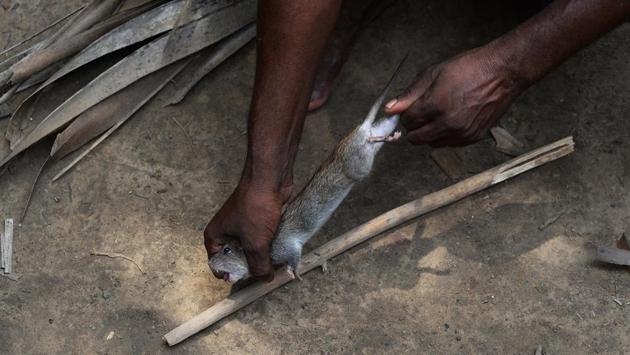
“We sit at home all day with nothing to do. Some days we get work at the farm, on others we go hungry or catch rats and eat them with whatever little grain we can get,” Rakesh told AFP. “Governments may have changed but nothing has changed for us. We still eat, live and sleep as our ancestors.” He added. (Sajjad Hussain / AFP)
3/8
 View Photos in a new improved layout
Updated on Dec 09, 2017 12:05 PM
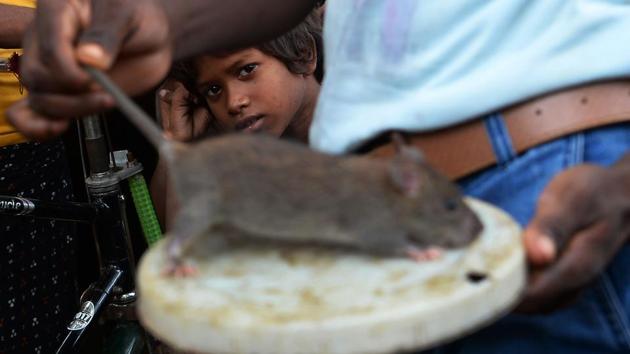
The Musahars are among the lowest Dalit sub-groups and are the poorest amongst the poor, rarely hearing about or gettting access to government schemes. Most live and survive as dollar-a-day labourers. They are excluded from temples, banned from drinking water from wells used by higher castes and often face inhuman treatment. (Sajjad Hussain / AFP)
4/8
 View Photos in a new improved layout
Updated on Dec 09, 2017 12:05 PM
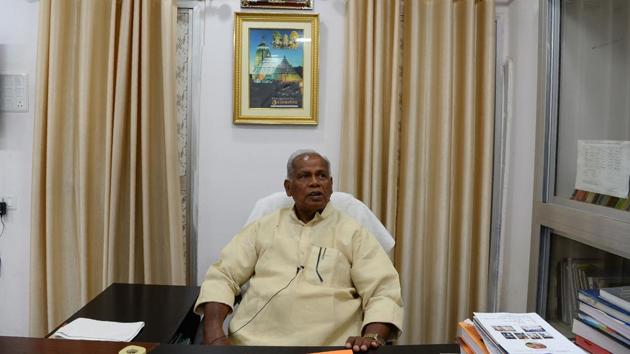
Jitan Ram Manjhi (above) who in 2014 became the first Musahar CM poses for a photo at his office in Patna. “Nothing but education can change our lives and future”, said Manjhi whose nine-month tenure heading Bihar is considered a huge achievement. “My community is so downtrodden that I think even government records don’t yet show its real numbers, which could easily be around 8 million,” Jitan added. (Sajjad Hussain / AFP)
5/8
 View Photos in a new improved layout
Updated on Dec 09, 2017 12:05 PM
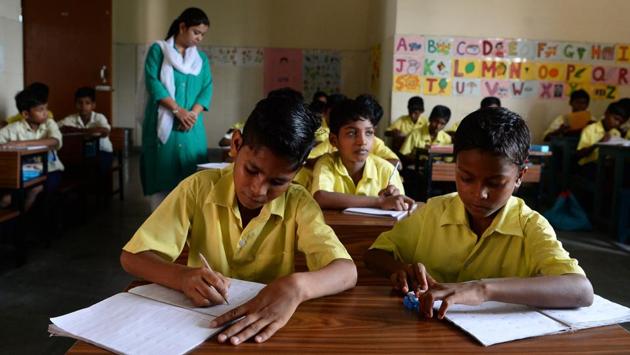
Children belonging to the Musahar community study in a classroom at the Shoshit Samadhan Kendra school in Gonpura in Bihar. While there are well-intentioned programmes, most still work as farm labourers and are forced to catch rats or snails if the crop fails. R.U Khan, the school principal said, “Once here, it takes us at least a month to teach them the most basic personal and social skills.” (Sajjad Hussain / AFP)
6/8
 View Photos in a new improved layout
Updated on Dec 09, 2017 12:05 PM
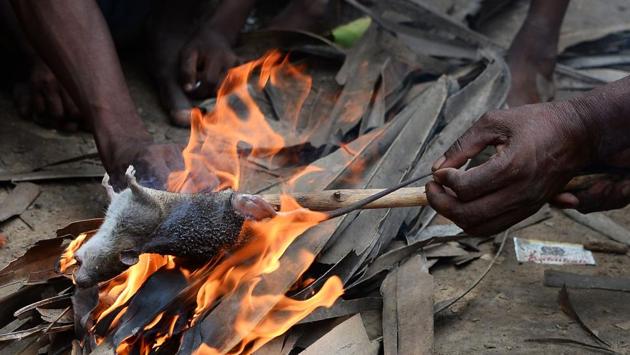
A person roasts a rat at Alampur Gonpura village in Bihar. Many Shoshit Samadhan Kendra boys are the target of jokes when they return to their villages for holidays. “We often hear stories of how their village friends taunt them to catch rats or scavenge for other food with them, like they used to earlier. And under pressure, some of them do”, said Khan. (Sajjad Hussain / AFP)
7/8
 View Photos in a new improved layout
Updated on Dec 09, 2017 12:05 PM
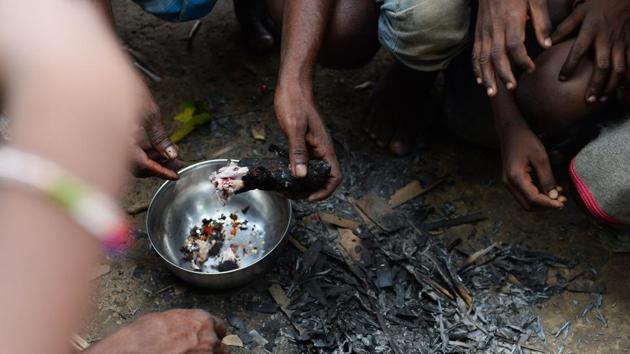
Members of the Musahar community prepare a roasted rat. Bihar’s Welfare Department Minister Ramesh Rishidev insisted that life has improved for the Musahars. While in the past the Musahars ate rats to stave off hunger, most now do so out of a “cultivated taste and not compulsion”, he said. (Sajjad Hussain / AFP)
8/8
 View Photos in a new improved layout
Updated on Dec 09, 2017 12:05 PM


