
 E-Paper



Photos: Deadly air quality exposes rich poor divide in Delhi
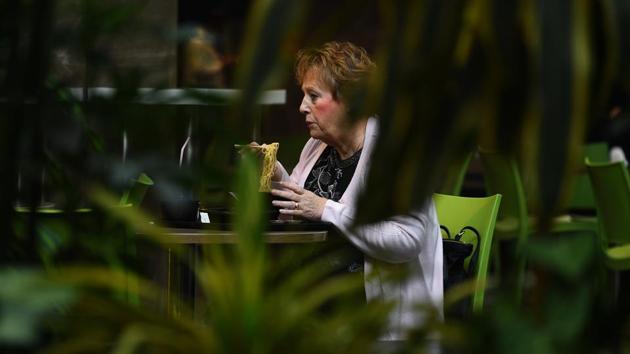
For the well-heeled in New Delhi, eating out means enjoying a gourmet spread amid sprawling green spaces but the poor must deal with dust and toxic fumes from vehicles zipping past rickety roadside food stalls in the world's most polluted major city. Delhi's affluent, who are often better informed about the dangers of pollution, increasingly expect the same safety measures they have in place at home, to be available when they are out. But for the one in five Indians living on less than $2 a day, visiting such places is nothing more than a fantasy.
Updated on: Mar 22, 2019 9:26 AM IST

Share via


Copy link

1/8
 View Photos in a new improved layout
Updated on Mar 22, 2019 9:26 AM
A visitor at The Walk food courtyard in New Delhi. Walls draped in lush vertical gardens and air filtered through purifiers insulates diners from the choking haze outside in one of the most polluted places on earth. But such eco-eateries are beyond reach for the poor, who have little means of escaping the deadly smog which coats the city for much of the year. (Sajjad Hussain / AFP)
2/8
 View Photos in a new improved layout
Updated on Mar 22, 2019 9:26 AM
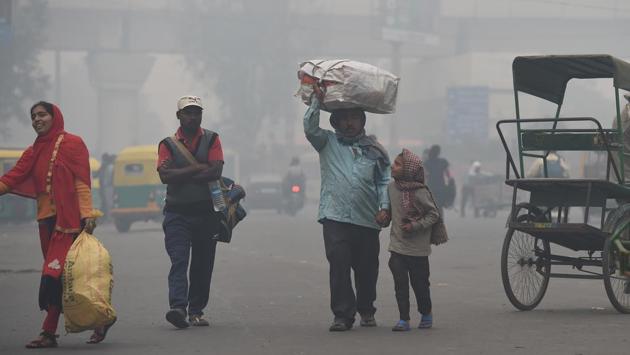
A family carries belongings while looking for a rickshaw amid heavy smog in New Delhi. Air pollution kills more than a million Indians every year, according to a study by Lancet Planetary Health, and Delhi regularly exceeds World Health Organisation (WHO) air quality limits. But for Ramavtar Singh there is no escape: like many of the city’s poorest, he eats, sleeps, and works outside. (Prakash Singh / AFP)
3/8
 View Photos in a new improved layout
Updated on Mar 22, 2019 9:26 AM
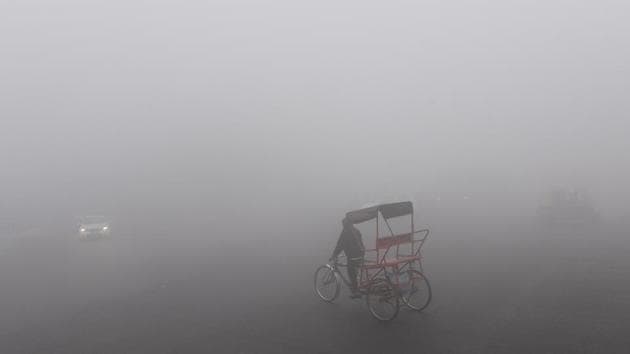
“I work for six to eight hours every day and my children eat and sleep outside most times of the year,” the father of five said. Singh earns a living by cycling passengers and cargo around Delhi on his rickshaw, inhaling dangerous concentrations of tiny pollutants. At best, he can wrap a rag over his mouth on smoggy days, a low-cost approach that does little to block the most dangerous particles. (Arvind Yadav / HT Archive)
4/8
 View Photos in a new improved layout
Updated on Mar 22, 2019 9:26 AM
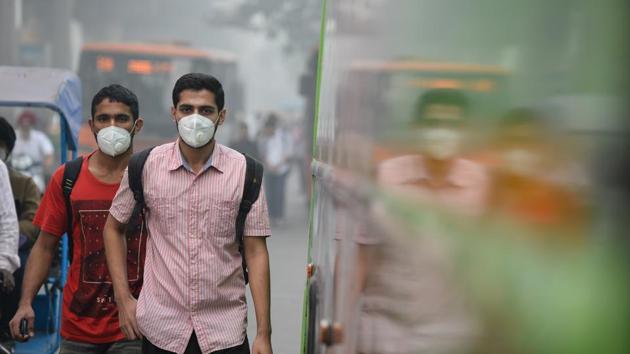
Delhi’s smog peaks from October to February, routinely exceeding WHO recommendations for PM2.5 -- tiny and harmful airborne particles -- and some days registers levels more than 20 times safe limits. Experts warn the long term health consequences of living enveloped in pollution are disastrous, often causing chronic sickness and in some cases early death. (Sajjad Hussain / AFP File)
5/8
 View Photos in a new improved layout
Updated on Mar 22, 2019 9:26 AM
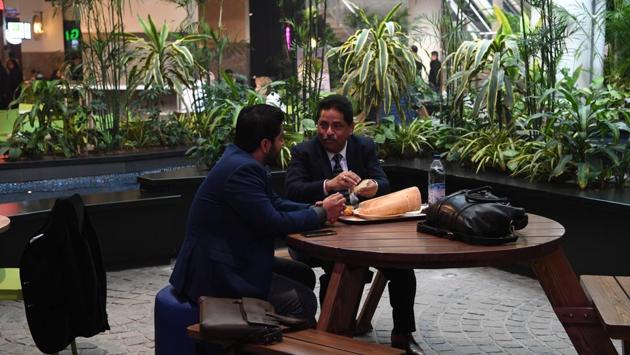
Across town, Abhimanyu Mawatwal (not pictured) was settling down for lunch at a food court in Worldmark Aerocity, a grand commercial centre boasting purified air. A meal here could cost twice Singh’s monthly salary, but it is a price Mawatwal was willing to pay because outside the smog is at hazardous levels. “I love to come here for my meals. It is like getting a quick oxygen shot,” the office worker said. (Sajjad Hussain / AFP)
6/8
 View Photos in a new improved layout
Updated on Mar 22, 2019 9:26 AM
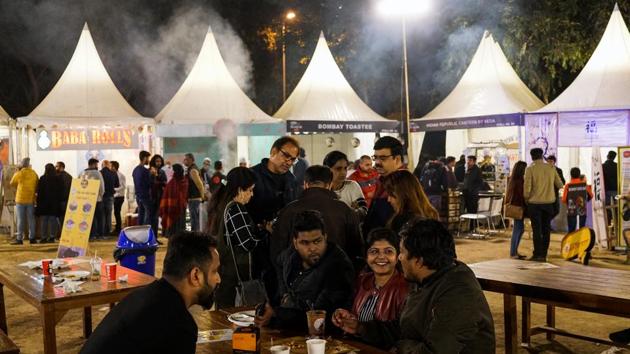
Patrons at an outdoor food court in Nehru Park in New Delhi. Delhi’s affluent, often better informed about the dangers of pollution, increasingly expect the safety measures they have in place at home, to be available when they are out. High-end eateries, bars and cinemas are tapping into that -- installing air purifiers and creating dedicated areas of rich vegetation to help filter airborne toxins. (Chandan Khanna / AFP)
7/8
 View Photos in a new improved layout
Updated on Mar 22, 2019 9:26 AM
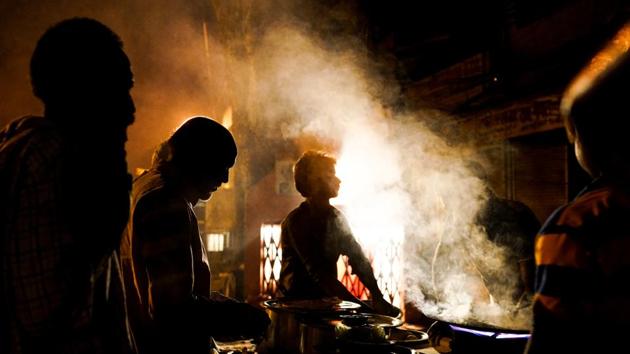
Labourers eat at a roadside food stall. For Singh, and the one in five Indians living on less than Rs 140 a day, visiting such places is nothing more than a fantasy. “What will I do if I spend all the money on one meal? How will I feed my family?” said the rickshaw cyclist, who earns about Rs 1,200 a month. He cannot dream of buying air purifiers to protect his family at home that easily cost Singh’s annual wage. (Chandan Khanna / AFP)
8/8
 View Photos in a new improved layout
Updated on Mar 22, 2019 9:26 AM


