
 E-Paper



Photos: Impact of Kashmir conflict seen through two killings
More than 250 people died in the Kashmir region in the first half of the year, according to previously unreported data - one of the deadliest periods in the disputed territory’s recent history. The impact of that surge is clear, according to interviews with Indian officials, rights groups and the families of two victims of the conflict mentioned in a UN report this month: a school principal who died in police custody and a 12-year-old boy killed after being taken hostage by militants.
Updated on: Jul 23, 2019 9:50 AM IST

Share via


Copy link

1/9
 View Photos in a new improved layout
Updated on Jul 23, 2019 9:50 AM
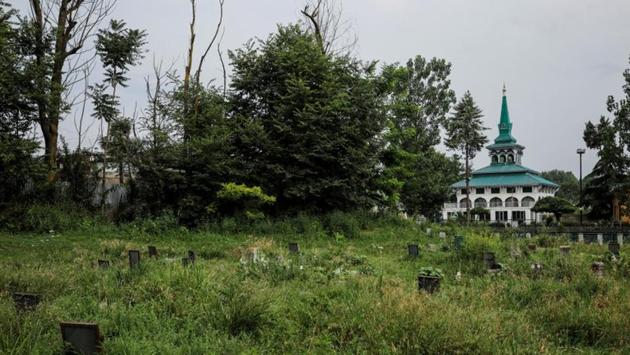
More than 250 people died in the Kashmir in the first half of the year, according to previously unreported data. According to interviews with Indian officials, rights groups and the families of two victims of the conflict mentioned in a United Nations report: a school principal died in police custody and a 12-year-old boy killed after being taken hostage by militants. This is the graveyard where Rizwan Pandit, school principal is buried, in Awantipora, south of Srinagar. (Danish Siddiqui / REUTERS)
2/9
 View Photos in a new improved layout
Updated on Jul 23, 2019 9:50 AM
Police arrived to search the south Kashmir home of Pandit, a 29-year-old chemistry graduate, before midnight on March 17, according to interviews with family members who were present at the time. “They found nothing: we are common people,” his brother, Mubashir Assad Pandit, said. (Danish Siddiqui / REUTERS)
3/9
 View Photos in a new improved layout
Updated on Jul 23, 2019 9:50 AM
Sabir Abdullah Public school where Pandit, was a principle. Pandit was taken to Awantipora police station, a high-walled compound ringed by barbed wire yards from the family home, before being moved to an interrogation unit in Srinagar where he died the next evening. Police told the family they filed a report accusing him of trying to escape from custody, but did not say how he died and refused to let them see the report or his autopsy records. (Danish Siddiqui / REUTERS)
4/9
 View Photos in a new improved layout
Updated on Jul 23, 2019 9:50 AM
Students of Pandit are seen inside the classroom of a coaching centre run by him. Mubashir showed photos of what he said was his brother’s body after it was released by the police. The photos showed repeated deep laceration marks on his legs and bruising on his face. Pandit “appears to have been tortured while in custody”, the July 8 report from the U.N.’s human rights agency said. (Danish Siddiqui / REUTERS)
5/9
 View Photos in a new improved layout
Updated on Jul 23, 2019 9:50 AM
Books of Pandit are seen inside his house. The attitude of security forces to those believed to be sympathetic to militants is hardening, an Indian security official said, a process that began two years ago after the killing of a prominent militant leader, but has grown stronger since the February attack which killed at least 40 paramilitary police. (Danish Siddiqui / REUTERS)
6/9
 View Photos in a new improved layout
Updated on Jul 23, 2019 9:50 AM
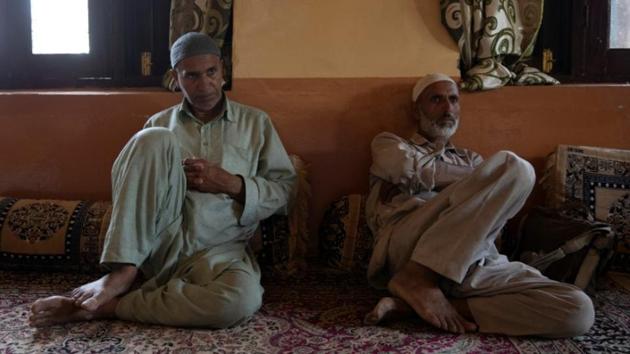
Days after Pandit’s death in March, a 12-year old boy, Atif Mir was taken hostage by militants in Bandipora, north Kashmir, along with six other relatives. The two militants, from the Lashkar-e-Taiba group, were both from Pakistan and unwilling to release Mir, despite repeated pleas from the family and troops that surrounded the house. Mohammed Shafi Mir (L), father, and Abdul Hamid Mir, uncle of Atif Mir, 12, who was also taken hostage, are seen inside their relative’s house. (Danish Siddiqui / REUTERS)
7/9
 View Photos in a new improved layout
Updated on Jul 23, 2019 9:50 AM
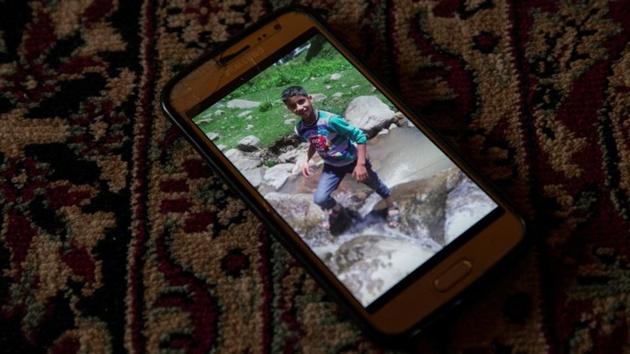
A photograph of Atif is seen on his father’s phone. Atif was eventually killed in crossfire between the militants and troops. The family said they had never seen the men before, who did not explain why they had taken hostages. (Danish Siddiqui / REUTERS)
8/9
 View Photos in a new improved layout
Updated on Jul 23, 2019 9:50 AM
Atif attended an army-run school and was preparing for entry tests at a boarding school run by India’s defence ministry when he was taken as a hostage. Atif Mir’s father, Mohammed Shafi, described his son as a brilliant student and a keen cricketer.”They have caused a lot of fear,” he said. “There is a lot of anger amongst the people about what they have done.” (Danish Siddiqui / REUTERS)
9/9
 View Photos in a new improved layout
Updated on Jul 23, 2019 9:50 AM


