
 E-Paper



Photos: India and Pakistan’s water rivalry in Himalayan Kashmir
The Neelum-Jhelum Hydropower Project in Nosari, Pakistan is in its final stage, whereas Kishanganga project in Indian Kashmir also approaches completion. The rivalry on the Neelum is underlined by both countries’ eager need of freshwater amid tensions over Kashmir.
Updated on: Dec 18, 2017 11:49 AM IST

Share via


Copy link

1/8
 View Photos in a new improved layout
Updated on Dec 18, 2017 11:49 AM
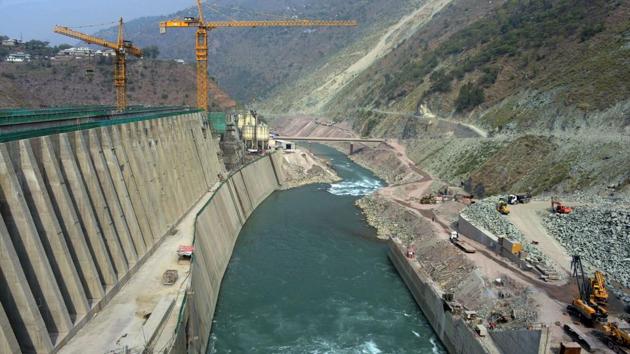
A general view of the Neelum-Jhelum Hydropower Project in Nosari, Pakistan-administered Kashmir’s Neelum Valley. Several hundred metres underground, thousands of labourers grind away day and night on a mammoth hydroelectric project in contested Kashmir, where India and Pakistan are racing to tap the subcontinent’s diminishing freshwater supplies. (Sajjad Qayyum / AFP)
2/8
 View Photos in a new improved layout
Updated on Dec 18, 2017 11:49 AM
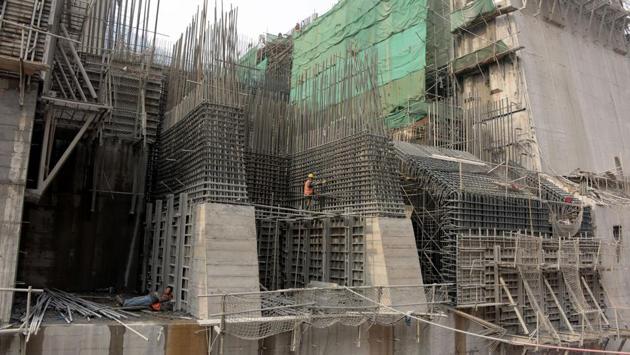
More than 6,000 Pakistani and Chinese workers busy themselves in the 28 kilometres of underground tunnels or in the power station itself, buried under 400 metres of rock in the heart of the Himalayas. The arch rivals, India and Pakistan have been building duelling power plants along the banks of the turquoise Neelum River for years. (Sajjad Qayyum / AFP)
3/8
 View Photos in a new improved layout
Updated on Dec 18, 2017 11:49 AM
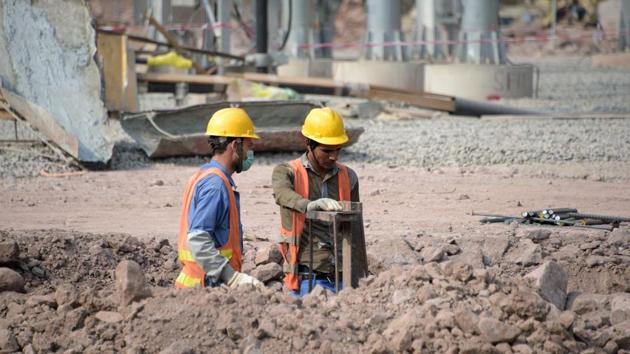
Labourers work on a power distribution point of the hydropower project in Chattar Klass on the outskirts of Muzaffarabad, the capital of Pakistan-administered Kashmir. The two projects, located on opposite sides of the Line of Control (LoC) are now close to completion, fuelling tensions with Pakistan particularly worried their downstream project will be deprived of much-needed water by India. (Sajjad Qayyum / AFP)
4/8
 View Photos in a new improved layout
Updated on Dec 18, 2017 11:49 AM
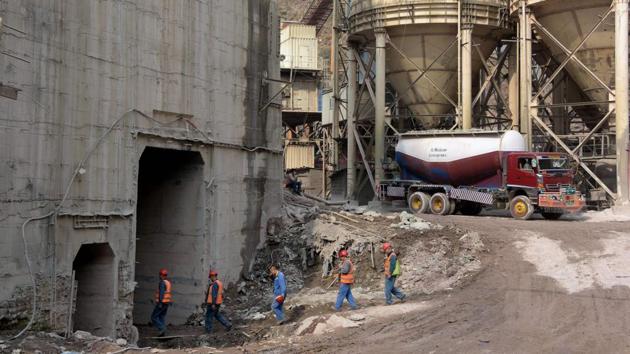
Pakistani and Chinese workers walk into the site of the project in Nosari. As a tributary of the Jhelum River, the Neelum theoretically falls into Pakistan’s sphere, which launched the Neelum-Jhelum power plant project a quarter of a century ago to counter the legal, but competing Kishanganga project in Indian Kashmir. (Sajjad Qayyum / AFP)
5/8
 View Photos in a new improved layout
Updated on Dec 18, 2017 11:49 AM
Chinese engineer works on the Neelum-Jhelum Hydropower Project. The rivalry on the Neelum is underlined by both countries’ unquenchable need for freshwater, as their surging populations and developing economies continue to stress already diminished waters tables. This situation represents a serious challenge to Pakistan’s food security and long-term growth. (Sajjad Qayyum / AFP)
6/8
 View Photos in a new improved layout
Updated on Dec 18, 2017 11:49 AM
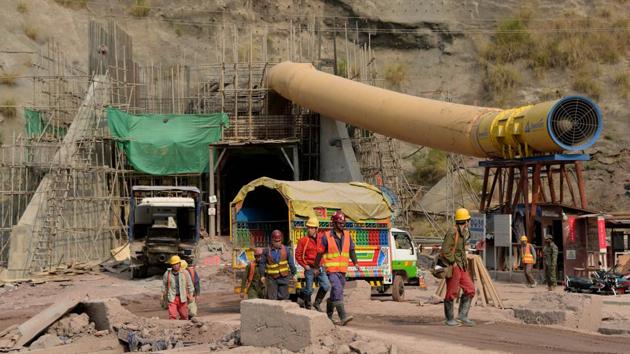
Chinese and Pakistani engineers at the entrance of the power station. The Indus River --into which the waters of the Neelum ultimately flow-- is one of the longest on the continent, cutting through ultra-sensitive borders in the region. It rises in Tibet, crosses Kashmir and waters 65% of Pakistan’s territory before flowing into the Indian Ocean. (Sajjad Qayyum / AFP)
7/8
 View Photos in a new improved layout
Updated on Dec 18, 2017 11:49 AM
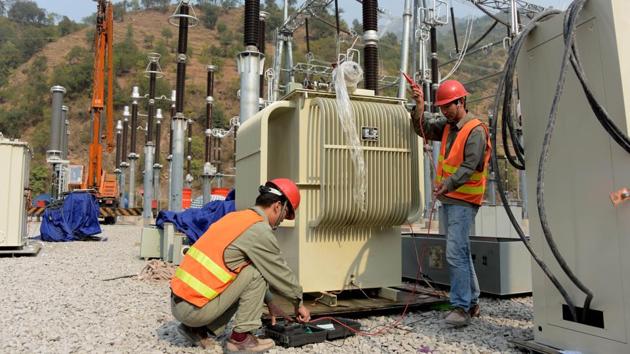
Chinese engineers work on a power distribution point in Chattar Klass. At the confluence of the Neelum and Jhelum, the gigantic underground cathedral of concrete and steel is near completion -- the four generators are in place, waiting for the transformers and the network to be connected. (Sajjad Qayyum / AFP)
8/8
 View Photos in a new improved layout
Updated on Dec 18, 2017 11:49 AM


