
 E-Paper



Photos: India’s first Rohingya deportation has the community on edge
India recently took seven detained Rohingya men and handed them over to Myanmar authorities, the first ever such deportation of Rohingya in India. The decision has spread panic among an estimated 40,000 Rohingya estimated to have settled in India as refugees. India rejects the UN's stand that deporting the Rohingya violates the principle of refoulement and puts them in the mouth of danger. Interviewing dozens of Rohingya in two settlements, one in the northern city of Jammu and a smaller one in Delhi, Reuters found communities who feel they are being increasingly vilified.
Updated on: Oct 08, 2018 5:10 PM IST

Share via


Copy link

1/8
 View Photos in a new improved layout
Updated on Oct 08, 2018 5:10 PM
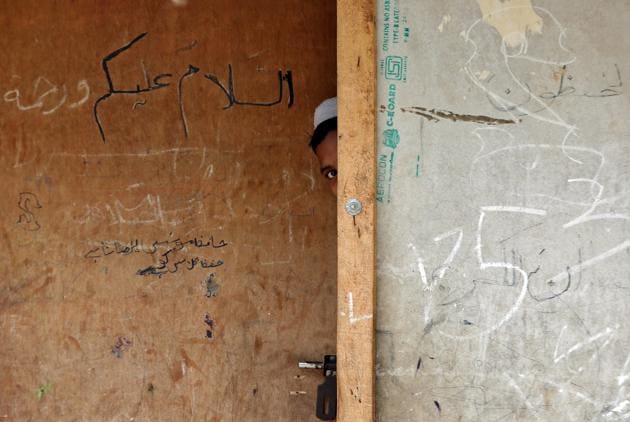
A Rohingya boy peeks out from behind the door of a madrasa, or a religious school, at a camp on the outskirts of Jammu. More than 700,000 Rohingya, according to UN agencies, have escaped Rakhine to neighbouring Bangladesh over the past year, bringing accounts of mass killings, arson, and rapes by the Myanmar army. An estimated 40,000 Rohingya, a largely stateless Muslim minority, live in India. (Mukesh Gupta / REUTERS)
2/8
 View Photos in a new improved layout
Updated on Oct 08, 2018 5:10 PM
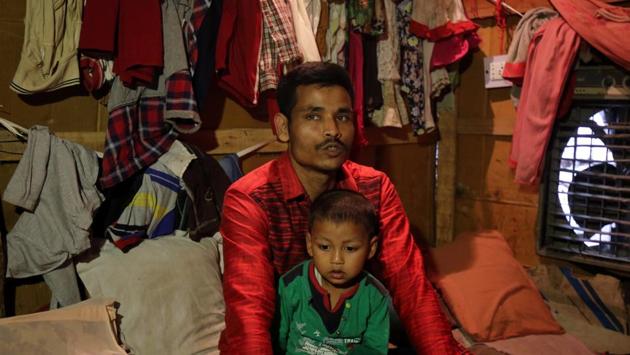
Sahidullah, a Rohingya living near Jammu, fled what he called persecution in Buddhist-majority Myanmar in 2010. His relative, Sadiur Rahman, 40, was lodged in one of several detention centres for illegal immigrants in Assam. As India decided to move with the deportation of seven Rohingya to Myanmar, he said he received a call from his nephew: “Uncle, please get us out of here. They will send us back too.” (Mukesh Gupta / REUTERS)
3/8
 View Photos in a new improved layout
Updated on Oct 08, 2018 5:10 PM
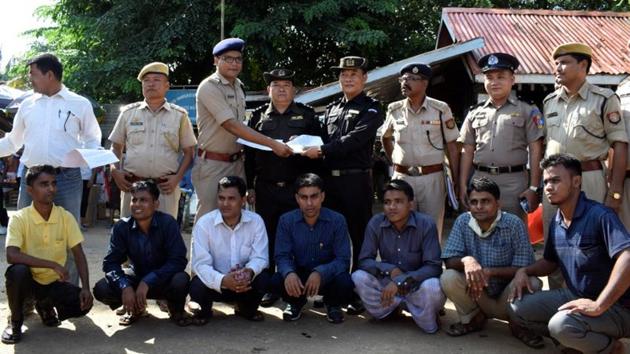
The seven Rohingya men to be deported sit as Indian and Myanmar security officials exchange documents before their deportation on India-Myanmar border at Moreh in the northeastern state of Manipur. The first ever such deportation of Rohingya has spread panic among an estimated 40,000 refugees who have fled to India from its neighbour. (Stringer / REUTERS)
4/8
 View Photos in a new improved layout
Updated on Oct 08, 2018 5:10 PM
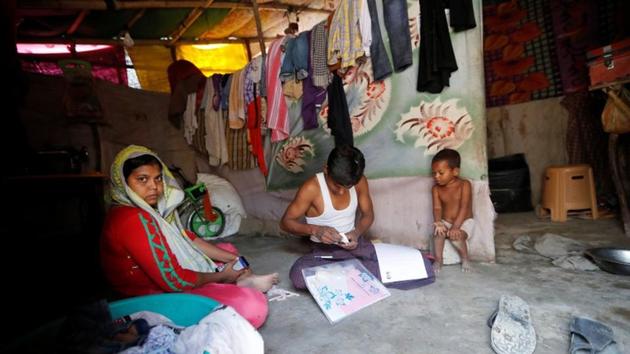
About 16,500 of the refugees have also been issued identity cards by the United Nations High Commissioner for Refugees (UNHCR) that it says helps them “prevent harassment, arbitrary arrests, detention and deportation”. But, India says it does not recognise the cards and has rejected the UN’s stand that deporting the Rohingya violates the principle of refoulement – sending back refugees to a place where they face danger. (Adnan Abidi / REUTERS)
5/8
 View Photos in a new improved layout
Updated on Oct 08, 2018 5:10 PM
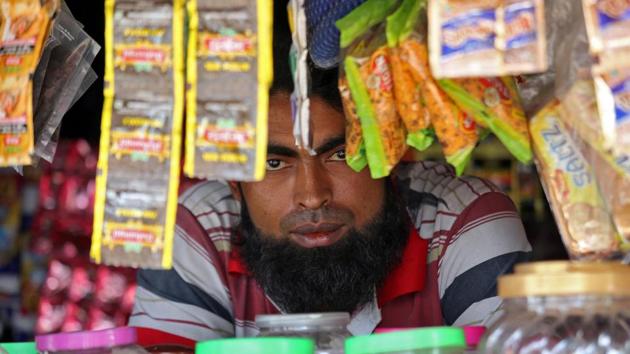
A man from the Rohingya community looks on as he sits inside his shop at a camp on the outskirts of Jammu.The United Nations has accused Myanmar of acting against the Rohingya with “genocidal intent,” a charge Myanmar refutes, saying its military did not use excessive force and was reacting to militant attacks. (Mukesh Gupta / REUTERS)
6/8
 View Photos in a new improved layout
Updated on Oct 08, 2018 5:10 PM
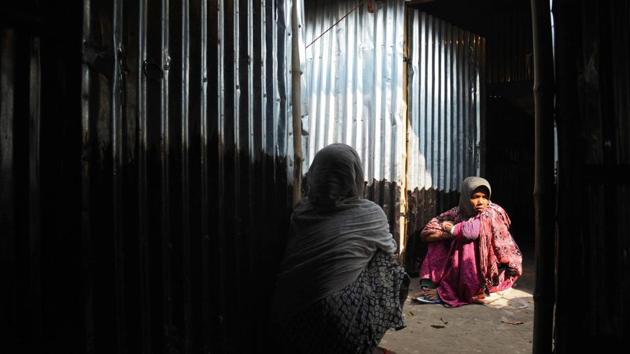
Interviewing dozens of Rohingya in Jammu and in Delhi, Reuters found communities feeling they are being increasingly vilified. “Anyone who has entered the country without a valid legal permit is considered illegal,” said A. Bharat Bhushan Babu, a spokesman for the Ministry of Home Affairs. “As per the law, anyone illegal will have to be sent back. As per law they will be repatriated.” (Dibyangshu SARKAR / AFP File)
7/8
 View Photos in a new improved layout
Updated on Oct 08, 2018 5:10 PM
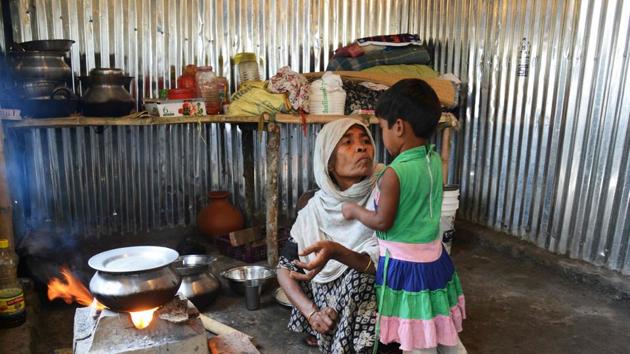
The Rohingya are accused of being terrorists, of trafficking, and of elbowing out local businesses. Jammu’s Chamber of Commerce & Industry last year threatened to launch an “identify and kill movement” against the settlers. The chamber’s president, Rakesh Gupta, told Reuters that there was nothing new in taking the law into one’s hands if “someone becomes a threat to our security, to the nation’s security, and the security forces don’t tackle them”. (Dibyangshu SARKAR / AFP)
8/8
 View Photos in a new improved layout
Updated on Oct 08, 2018 5:10 PM


