
 E-Paper



Photos: Indian women take reins in birthplace of modern polo
Laishram Thadoi's face is a picture of concentration as she adjusts her helmet and prepares to play in Manipur, the remote Indian state regarded as the birthplace of modern polo. Manipur, in the foothills of the Himalayas, has produced some of India's top athletes including champion boxer Mary Kom. Even so, polo -- which resembles horseback field hockey, and whose Manipuri version, "Sagol Kangjei", is played with riders on indigenous ponies -- is usually viewed as a male-only sport in the state.
Updated on: Mar 6, 2020 7:12 PM IST


Share via


Copy link

1/11
 View Photos in a new improved layout
Updated on Mar 6, 2020 7:12 PM
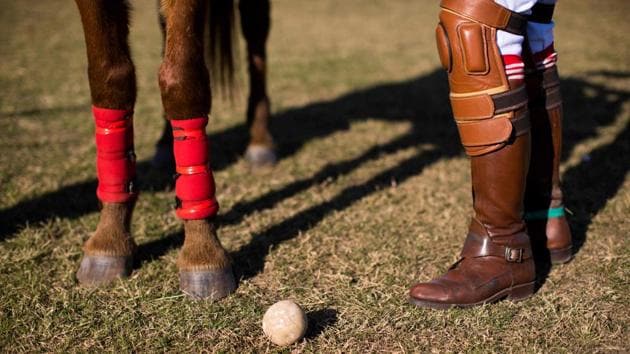
Linthoingambi Kangjei Lup Polo Club player Shanglenmayum Sangeeta stands next to her pony as she adjusts the length of the stirrups leather before the start of their 15th Women’s State Polo Tournament match at the Mapal Kangjeibung (Polo Ground) in Imphal. (Xavier Galiana / AFP)
2/11
 View Photos in a new improved layout
Updated on Mar 6, 2020 7:12 PM
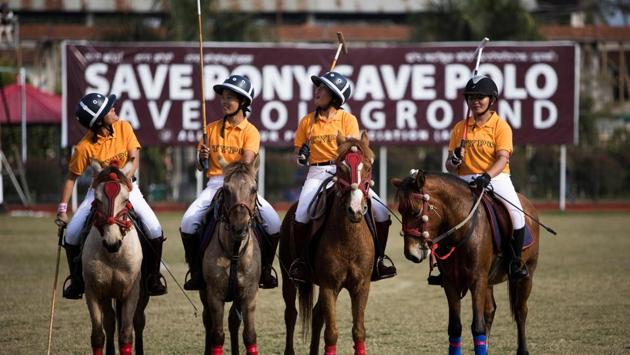
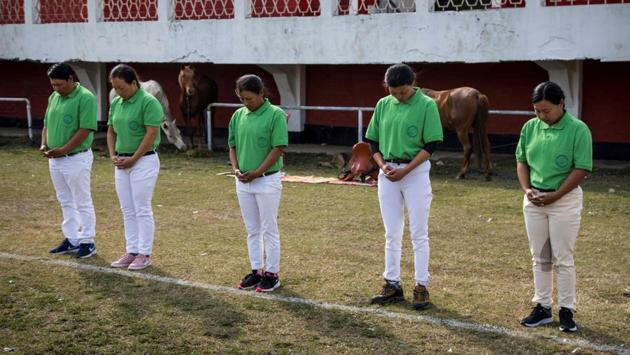
Thangmeiband Youth Polo Club players line up before their match against Linthoingambi Kangjei Lup polo club during the 15th Women’s State Polo Tournament. Manipur, in the foothills of the Himalayas, has produced some of India’s top athletes including champion boxer Mary Kom. (Xavier Galiana / AFP)
3/11
 View Photos in a new improved layout
Updated on Mar 6, 2020 7:12 PM
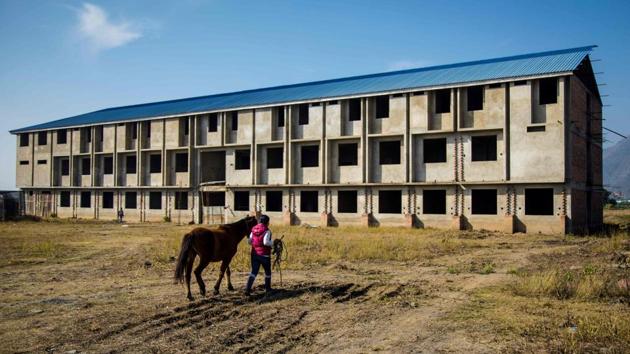
A polo player leads her pony to an open grazing field past an under construction building on the outskirts of Imphal. Laishram Thadoi’s, 35, who is soon wielding her mallet and riding a pony at a full gallop, is among a group of women players challenging the rural region’s all-male traditions in the sport. “If men can play polo why can’t we do it too?” Thadoi told AFP. (Xavier Galiana / AFP)
4/11
 View Photos in a new improved layout
Updated on Mar 6, 2020 7:12 PM
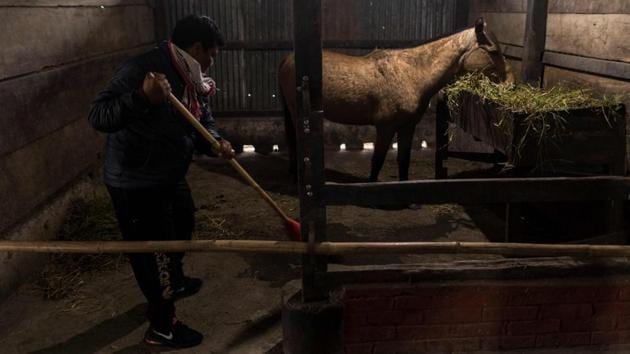
Linthoingambi Kangjei Lup Polo Club polo team captain Khundongbam Habe cleans a stable at Thangmeiband Polo Ground. Even so, polo—which resembles horseback field hockey, and whose Manipuri version, “Sagol Kangjei”, is played with riders on indigenous ponies—is usually viewed as a male-only sport in the state. (Xavier Galiana / AFP)
5/11
 View Photos in a new improved layout
Updated on Mar 6, 2020 7:12 PM
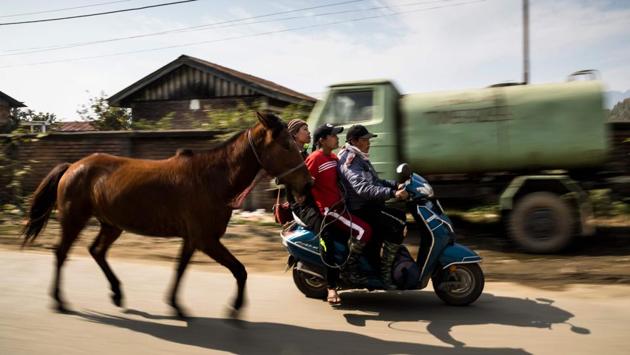
Captain Khundongbam Habe, rides a scooter with teammates Khundongbam Dementy and Shanglenmayum Sangeeta as they lead a pony back to Thangmeiband Polo Ground.” The game dates back centuries in Manipur, where it first came to the attention of British colonialists who formalised it as polo and spread it around the world. (Xavier Galiana / AFP)
6/11
 View Photos in a new improved layout
Updated on Mar 6, 2020 7:12 PM
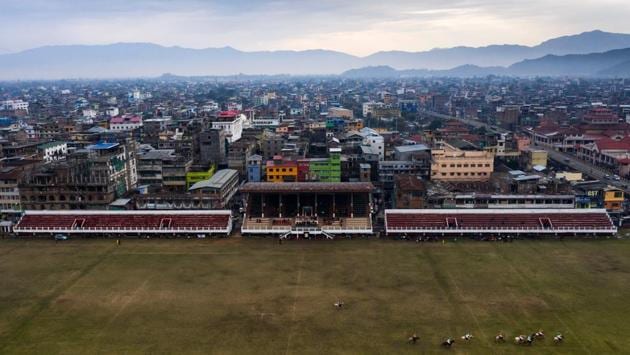
But by the late 1980s, few men were playing it in insurgency-wracked Manipur and the ponies—sacred in the state, and central to its culture and identity—were dwindling in numbers as their habitat shrank due to urban development. (Xavier Galiana / AFP)
7/11
 View Photos in a new improved layout
Updated on Mar 6, 2020 7:12 PM
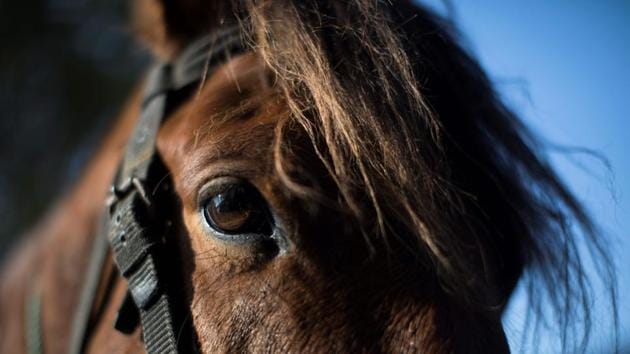
Fearing their beloved sport and ponies would die out, Manipur Horse Riding and Polo Association president (now) Hawaibam Deleep Singh and others banded together to revive the game by attracting new players. “The natural extension... was to start with women,” Singh said. (Xavier Galiana / AFP)
8/11
 View Photos in a new improved layout
Updated on Mar 6, 2020 7:12 PM
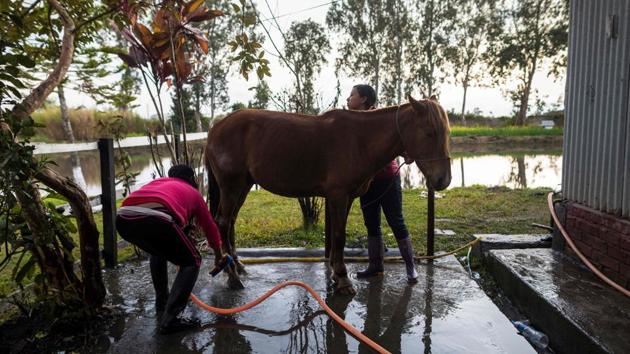
Polo players Okram Ashalucky (R) and Khundongbam Dementy bath a pony at the Thangmeiband Polo Ground. The involvement of female players was intertwined with the survival of the ponies, which experts feared were on the brink of extinction. Singh said some of the women have also become experts at caring for the animals, and rescue them from accidents like falling into construction pits and drains. (Xavier Galiana / AFP)
9/11
 View Photos in a new improved layout
Updated on Mar 6, 2020 7:12 PM
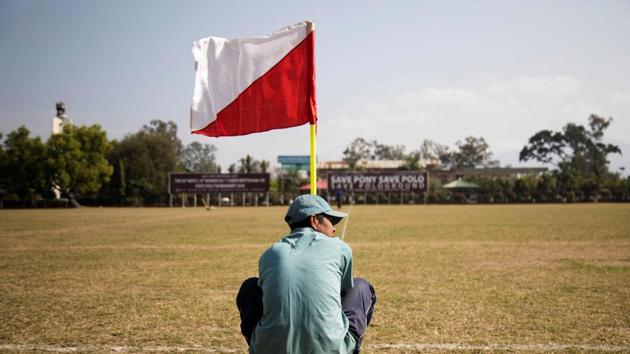
A ground staff places a flag on the field before the start of the 15th Women’s State Polo Tournament. Polo is a rich man’s game in other parts of the world but in Manipur, it is integral to regional traditions and is embraced by all levels of society. (Xavier Galiana / AFP)
10/11
 View Photos in a new improved layout
Updated on Mar 6, 2020 7:12 PM
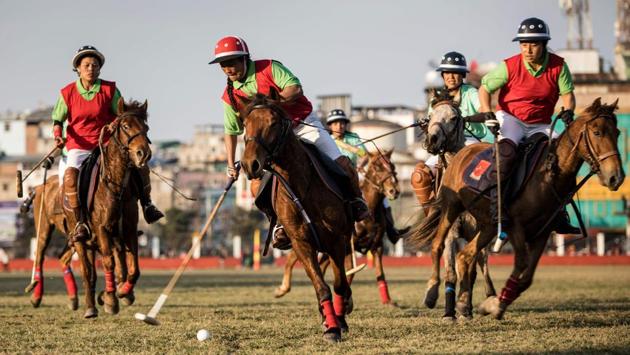
Linthoingambi Kangjei Lup Polo Club player Khundongbam Dementy (C) shoots to score during their 15th Women’s State Polo Tournament match against Chingkheihunba Polo Club at the Mapal Kangjeibung (Polo Ground) in Imphal. The women’s involvement flies in the face of the usual expectations in Manipur that they should primarily be caregivers. (Xavier Galiana / AFP)
11/11
 View Photos in a new improved layout
Updated on Mar 6, 2020 7:12 PM


