
 E-Paper



Photos: Rooftops and parking lots as playgrounds in urban India
In light of Sachin Tendulkar’s proposition to make the right to play a legally mandated component of the right to education, a look at how urban India plays in cities that are out of space.
Updated on: Feb 13, 2018 4:23 PM IST

Share via


Copy link

1/10
 View Photos in a new improved layout
Updated on Feb 13, 2018 4:23 PM
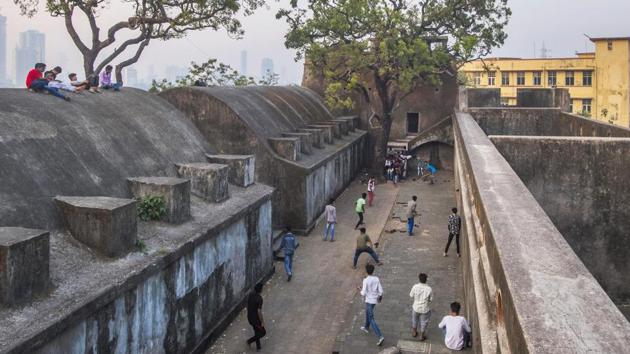
Children play at the Sewri Fort in Mumbai. When Sachin Tendulkar, legendary batsman and now Rajya Sabha MP, recently spoke in the House, asking that the right to play be a legally mandated component of the Right to Education, HT decided to look at children in metropolitan cities across India play, revealing a significant impediment to Tendulkar’s proposition – that of space itself. (Pratik Chorge / HT Photo)
2/10
 View Photos in a new improved layout
Updated on Feb 13, 2018 4:23 PM
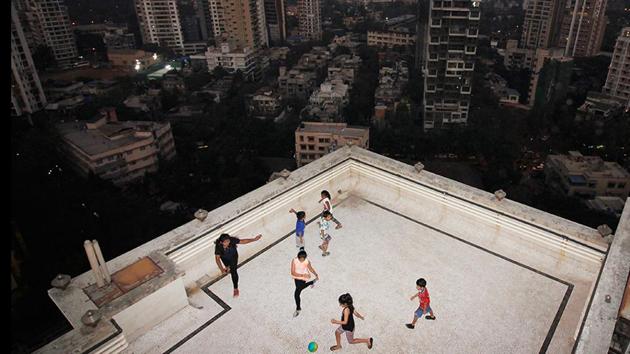
One has to watch how hard one kicks the ball, when there’s a chance it could plummet several storeys. But the terrace and building lobby are often the only places available for play in overcrowded Mumbai. (Hemanshi Kamani / HT Photo)
3/10
 View Photos in a new improved layout
Updated on Feb 13, 2018 4:23 PM
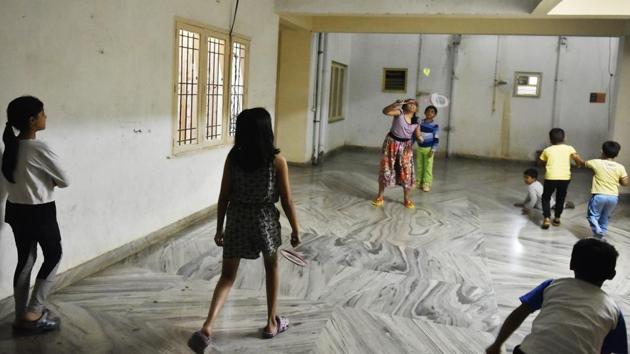
A game of badminton typically needs racquets, shuttlecock, a net and court. But for these kids in CV Raman Nagar, Bengaluru, the lack of a playground means they must play in the building’s lobby. In the Rajya Sabha, Tendulkar had argued about sports being an essential part of school curricula. (Arijit Sen / HT Photo)
4/10
 View Photos in a new improved layout
Updated on Feb 13, 2018 4:23 PM
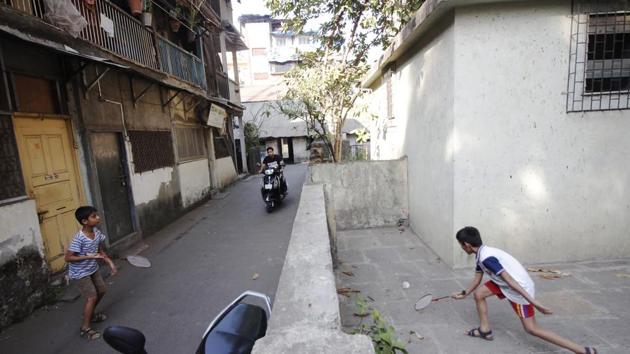
In Dadar, kids play badminton in a narrow street while vehicles also pass through the lane, which makes playtime risky. Against the World Health Organization’s recommended minimum of 9 sq metres per person and a developed world standard of 20 sq metres for open spaces, Mumbai has 0.88 sq metres, and Bengaluru only 6.4. (Hemanshi Kamani / HT Photo)
5/10
 View Photos in a new improved layout
Updated on Feb 13, 2018 4:23 PM
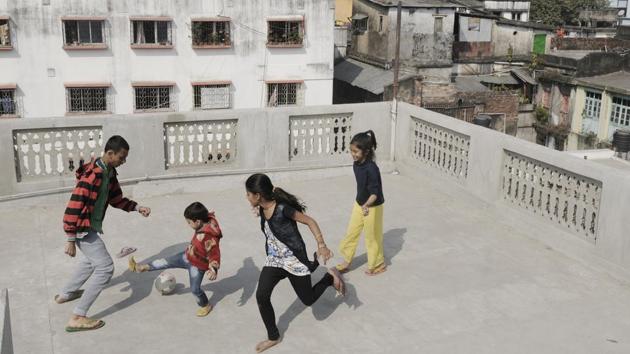
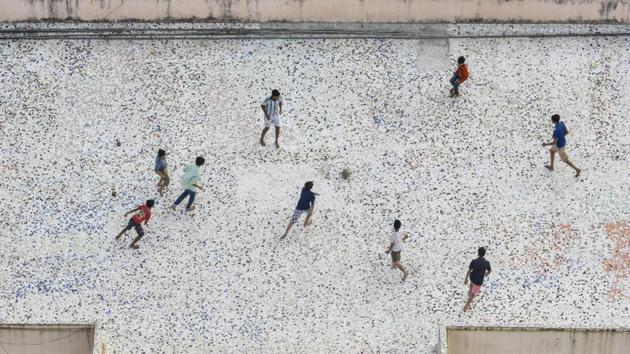
Kolkata has lost open spaces to development as well. Here, a group of children play football on a terrace. Playgrounds are now used as dumping grounds for garbage, maidans are encroached upon by slums and built-up public spaces like clubs and gymkhanas are accessible only by few. (Samir Jana / HT Photo)
6/10
 View Photos in a new improved layout
Updated on Feb 13, 2018 4:23 PM
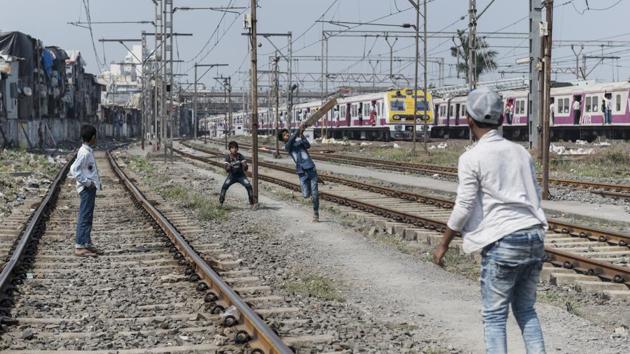
For kids who don’t have access to even building open areas and community playgrounds, the only place for a game of cricket is the railway tracks, as is the case largely in Mumbai. (Satish Bate / HT Photo)
7/10
 View Photos in a new improved layout
Updated on Feb 13, 2018 4:23 PM
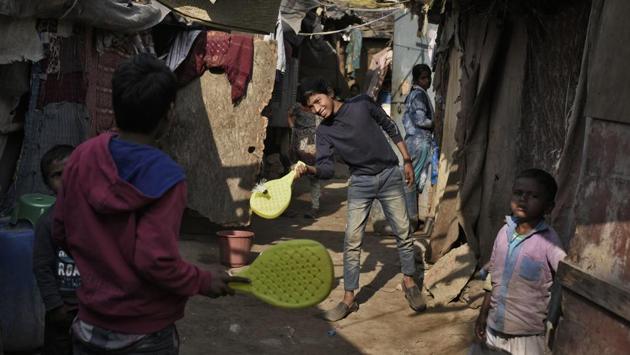
Delhi has more green spaces, if one’s from a certain socio-economic class. “There is only one large ground in our area and kids from miles come to play there. I don’t let my son go; it’s a hazard,” says Sushma Dahiya, a resident of Mundka (not pictured here). In the slums, there isn’t even that. So here kids play a game that doesn’t exist – with table tennis paddles and a shuttlecock – in the narrow lanes of Jamia Nagar. (Burhaan Kinu / HT Photo)
8/10
 View Photos in a new improved layout
Updated on Feb 13, 2018 4:23 PM
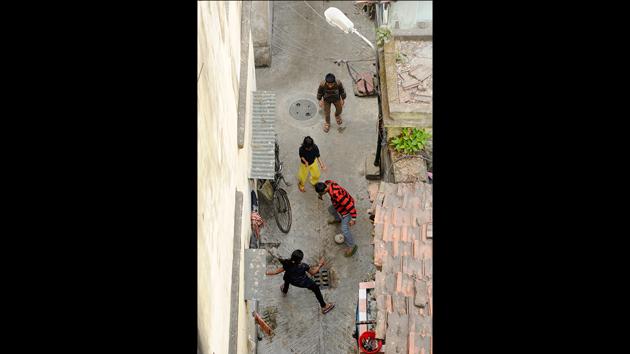
There’s even a gully version of football in Kolkata, where kids play the open-field game in a narrow alley, as seen here in the residential area of College Street. “Lately, even in housing societies with open space, much of the open ground is covered in concrete and reserved for parking,” says Rita Panicker, CEO of Butteflies, a New Delhi-based NGO that has been campaigning for the right to play since 2010. (Samir Jana / HT Photo)
9/10
 View Photos in a new improved layout
Updated on Feb 13, 2018 4:23 PM
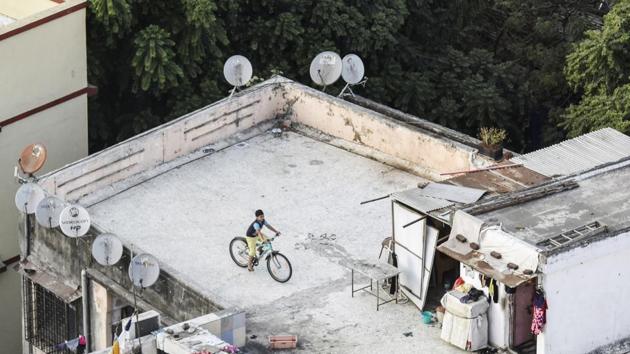
“Kids aren’t allowed to play in the compound; it’s reserved for parking,” says Ashwini Dandwate, 40, who lives with daughters aged 14 and 7 in metropolitan Mumbai. “There is a podium area, but it’s tiled, so they could slip and hurt themselves there. They end up either cycling or watching YouTube. Sometimes they play with their friends in the lobby.” (Kunal Patil / HT Photo)
10/10
 View Photos in a new improved layout
Updated on Feb 13, 2018 4:23 PM


