
 E-Paper



Photos: Struggle of Kashmiri women amid lockdown
The BJP-led central government on August 05, 2019 moved a resolution to scrap Article 370 on Jammu and Kashmir, which gives special status to the restive state. Ever since, life has been a struggle for ordinary Kashmiris. Although authorities have eased some restrictions, lifting the curfew, removing roadblocks and restoring landlines and some mobile phone services, but the other measures remain in place.
Updated on: Nov 12, 2019 10:18 AM IST


Share via


Copy link

1/14
 View Photos in a new improved layout
Updated on Nov 12, 2019 10:18 AM
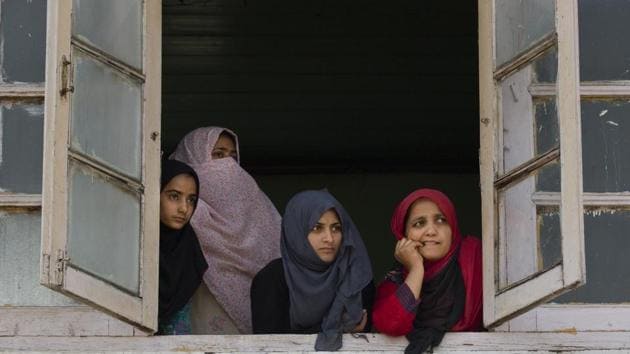
Kashmiri women watch a protest rally from the window of a mosque in Srinagar. While men historically make up most protesters and insurgents in the region and are often the first arrested or physically abused in security crackdowns, experts say Kashmiri women are suffering from the lockdown in their own less visible way. (Dar Yasin / AP)
2/14
 View Photos in a new improved layout
Updated on Nov 12, 2019 10:18 AM
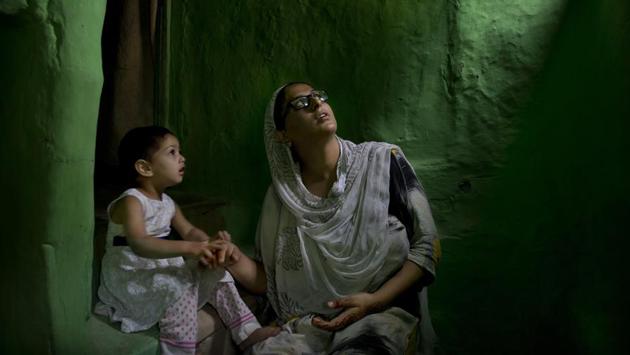
Sumaira Bilal, wife of detainee Bilal Ahmed, talks to her two-year-old daughter as they sit for photographs on a staircase of their house in Srinagar. Ahmed was detained on the night of August 5, following the abrogation of Article 370 and stripping Kashmir of its statehood. Sumaira says her daughter points to the window often and calls for her father “Baba, Baba, when are you coming back?” (Dar Yasin / AP)
3/14
 View Photos in a new improved layout
Updated on Nov 12, 2019 10:18 AM
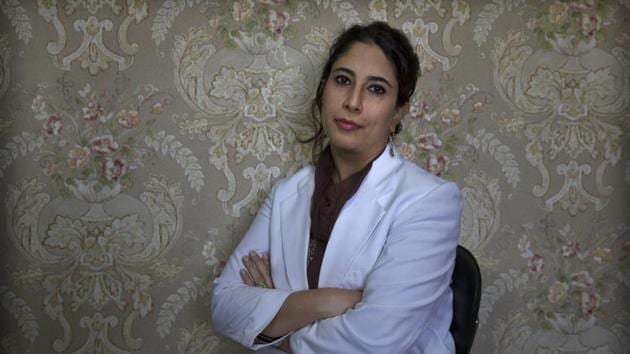
Doctor Sabahat Rasool tells the story of a pregnant woman who refused to be admitted in hospital because “there was no way she could communicate with her family and tell them that she needed to be admitted.” She was brought in unconscious the next day. “She survived but lost her unborn baby all because she could not afford to stay back the previous night for fear her family would think she was missing or kidnapped.” (Dar Yasin / AP)
4/14
 View Photos in a new improved layout
Updated on Nov 12, 2019 10:18 AM
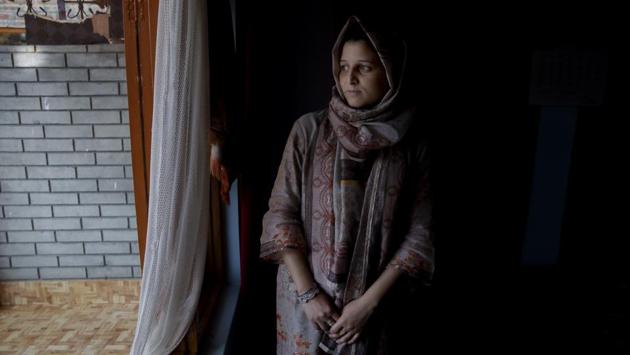
Newly married Kulsuma Rameez, 24, looks out of a window inside her home on the outskirts of Srinagar. Kulsuma says she was unable to shop for her wedding and borrowed her wedding dress from a relative. Her ceremony was small, attended by a few relatives and next-door neighbours. After the ceremony, she walked half a kilometer to her new home as the roads were blocked. (Dar Yasin / AP)
5/14
 View Photos in a new improved layout
Updated on Nov 12, 2019 10:18 AM
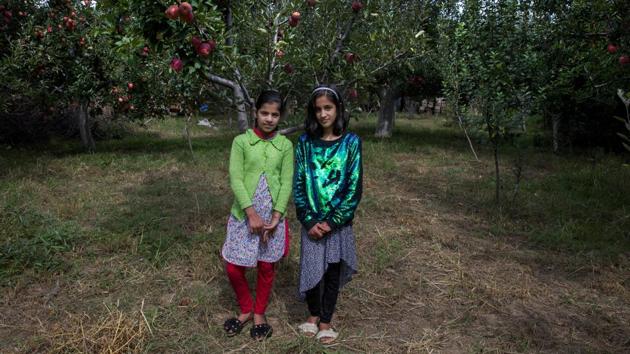
Twin sisters Tabeer Shafi Bhat (R) and Taseer Shafi Bhat at an apple orchard in Wuyan, south of Srinagar. The girls said that they’ve had nothing to do since the lockdown started on August 5 and they miss going to school. Authorities encouraged students to return to school but parents have largely remained unwilling to send their kids to educational institutes due to the restrictions in place. (Dar Yasin / AP)
6/14
 View Photos in a new improved layout
Updated on Nov 12, 2019 10:18 AM
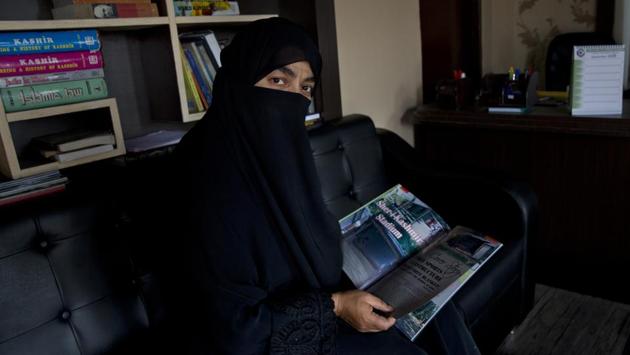
Sahana Fatima, the first female entrepreneur in printing who runs the only sports magazine in the Kashmir valley, is seen inside her office in Srinagar. Fatima says they were unable to print the August edition due to the blockade. “Even if we had decided to print, what would we write about? There was nothing happening as far as sports activities were concerned. Everything has come to a standstill.” (Dar Yasin / AP)
7/14
 View Photos in a new improved layout
Updated on Nov 12, 2019 10:18 AM
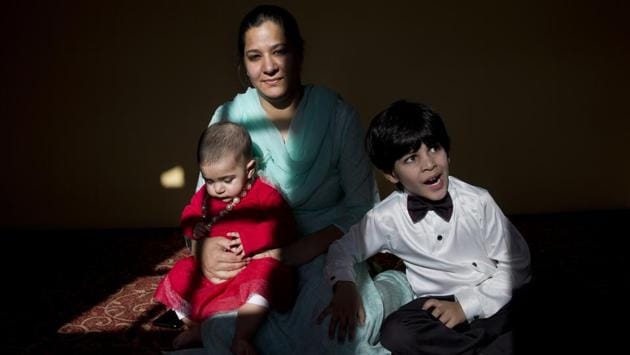
A Kashmiri-born Australian Sumaya Rather is seen with her eight-month-old daughter Noor Rather and four-year-old son Ahmed Rather inside her maternal home on the outskirts of Srinagar. Sumaya said Noor fell ill because she couldn’t adjust to the milk supplement brands that were available in Srinagar. Taking her to a hospital was a big challenge as there were protests and road blockades set up by both soldiers and Kashmiri youths. (Dar Yasin / AP)
8/14
 View Photos in a new improved layout
Updated on Nov 12, 2019 10:18 AM
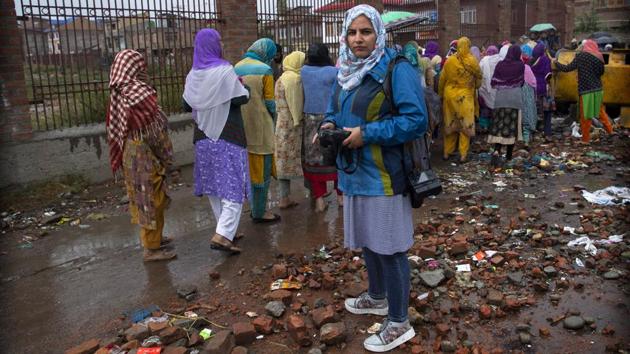
Masrat was covering the first Friday protest since the lockdown when a police officer threatened to kick her. She notes that Kashmiri women can’t leave their homes without a male companion out of fear they’ll be harassed by soldiers. Nevertheless, she is undeterred. “You cannot remain silent. If you come out and speak, someone will hear your voice. Coming out to work is my way of protesting.” (Dar Yasin / AP)
9/14
 View Photos in a new improved layout
Updated on Nov 12, 2019 10:18 AM
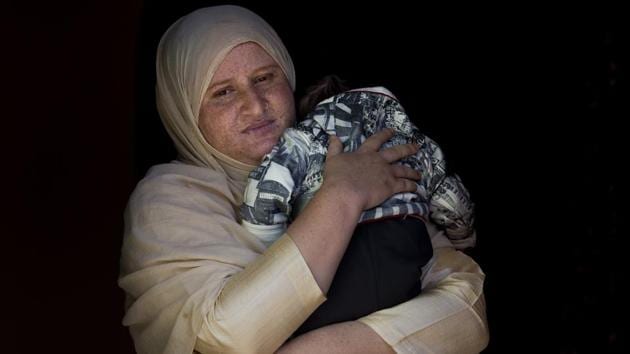
Zahida Jahangir holds her two-month-old son Mohammad Taimor inside their home in Lolab. Taimor was born premature and put on a ventilator in a children’s hospital while Zahida was receiving treatment in another hospital. Because of the lockdown there was no way to tell Zahida when her son was ready for breast milk so the hospital settled for milk supplement. Zahida was reunited with Taimor 20 days after he was first put on a ventilator. (Dar Yasin / AP)
10/14
 View Photos in a new improved layout
Updated on Nov 12, 2019 10:18 AM
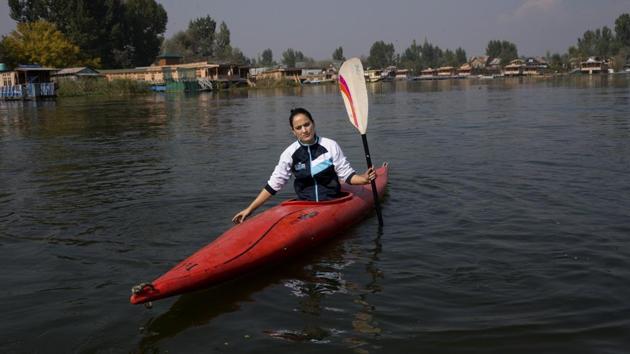
A Kashmiri kayaker Mehak Peer, 26, is seen during her first practice session since August 5, on the Dal Lake in Srinagar. “Because of the lockdown and internet blockade we have missed three tournaments. I was hoping to make it to the international level but after missing these national tournaments, that is no longer possible,” Peer said. (Dar Yasin / AP)
11/14
 View Photos in a new improved layout
Updated on Nov 12, 2019 10:18 AM
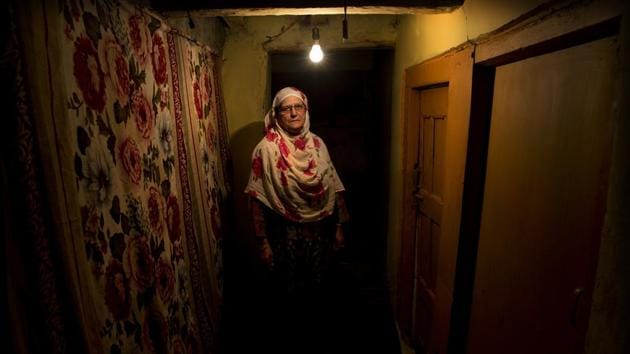
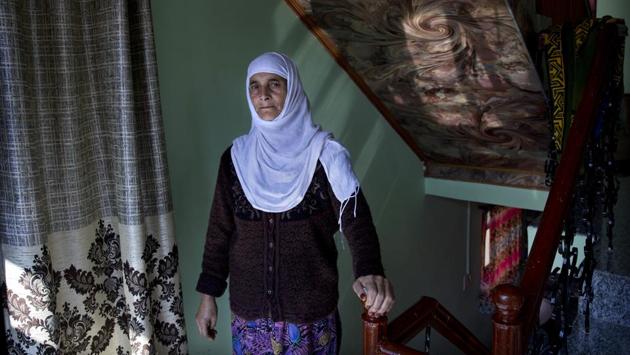
Ateeqa Begum, mother of a 22-year-old Kashmiri detainee Fasil Aslam Mir, stands inside her house in Srinagar. Begum has lived alone ever since her only son Fasil, in his late twenties, was detained on his way home after fetching medicines for her. “My son has been shifted to a jail in an undisclosed city and I have no means to travel there to see him,” she said. (Dar Yasin / AP)
12/14
 View Photos in a new improved layout
Updated on Nov 12, 2019 10:18 AM
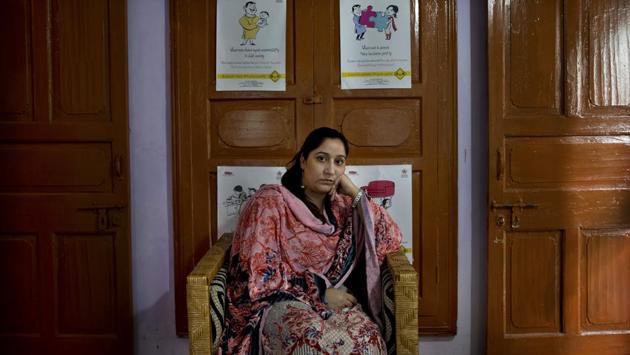
Mantasha Binti Rashid, founder of Kashmir Women’s Collective says since the lockdown, her organisation has seen a marked rise in violence against women as victims do not have a way to reach out for help. She cites examples: a woman attacked and brought to a hospital 90% covered with burns, many beaten by husbands or thrown out of their homes, another who faced abandonment. “Women suffer disproportionately,” she said. (Dar Yasin / AP)
13/14
 View Photos in a new improved layout
Updated on Nov 12, 2019 10:18 AM
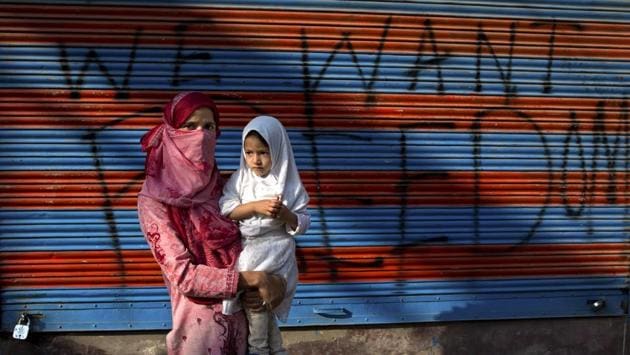
A protestor Jawahira Banoo carries her 3-year-old daughter Rutba outside a closed shop with a spray-painted graffiti after a protest on the outskirts of Srinagar. Banoo says she does not miss an opportunity to come out to the streets to protest. The men are at a higher risk of being detained, she says. (Dar Yasin / AP)
14/14
 View Photos in a new improved layout
Updated on Nov 12, 2019 10:18 AM


