
 E-Paper



Photos: The transgender brides of Aravan and a sacrifice from the Mahabharata
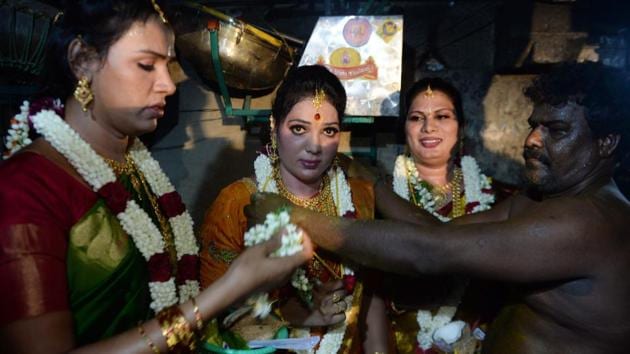
An 18-day-long festival celebrated in Tamil Nadu’s Koovagam village and attended by transgender devotees from across the country comes to an end. Each year during the full moon of the Tamil month of Chitrai, devotees gather to participate in the re-enactment of a tale from Mahabharata, that of Aravan and Mohini’s marriage. The devotees become brides of Aravan for one day in a symbolic wedding with the Koothandavar temple priest. The following day they mourn the death of their husband Aravan, just as Krishna did in Mohini’s form, becoming his widows.
Updated on: May 04, 2018 9:35 AM IST

Share via


Copy link

1/8
 View Photos in a new improved layout
Updated on May 04, 2018 9:35 AM
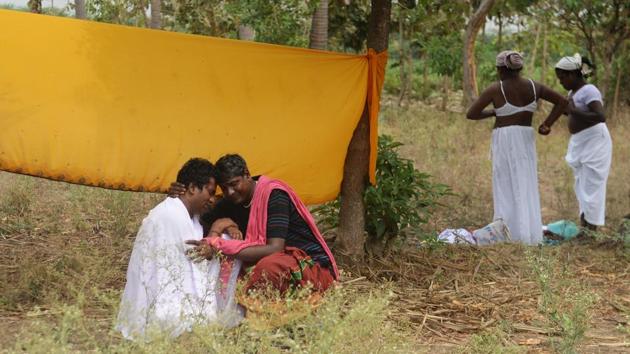
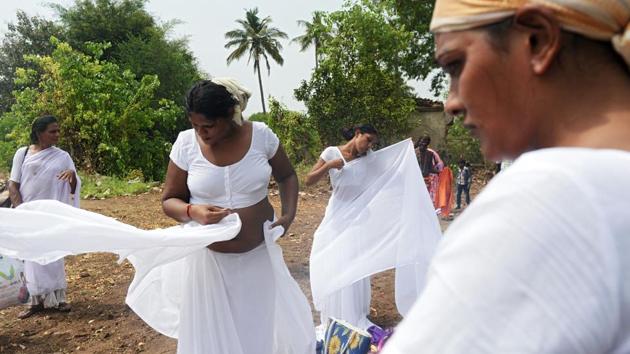
Transgender devotees embrace as others dress up in white saris during the annual festival of the Hindu god Aravan in Tamil Nadu’s Koovagam village. Members of the transgender community and devotees from all over India gather at the Koothandavar Temple each year during the full moon of the Tamil month of Chitrai, to participate in the re-enactment of a tale from the Indian epic, the Mahabharata. (Arun Sankar / AFP)
2/8
 View Photos in a new improved layout
Updated on May 04, 2018 9:35 AM
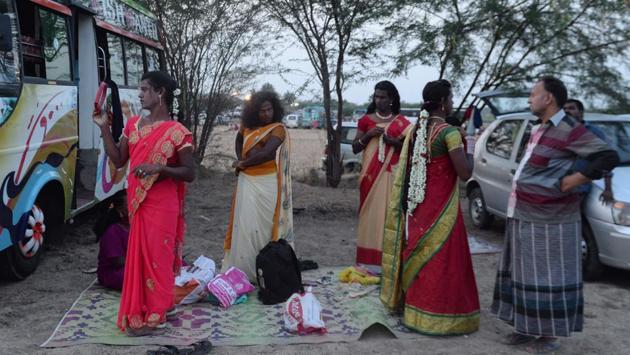
Transgender people, also known as ‘aravanis’ in Tamil, prepare to travel for the 18-day annual celebrations at Koovagam temple. There they will perform a ritual symbolising a wedding to Aravan, the deity of the temple and the son of Arjuna and his wife Ulupi. (Arun Sankar / AFP)
3/8
 View Photos in a new improved layout
Updated on May 04, 2018 9:35 AM
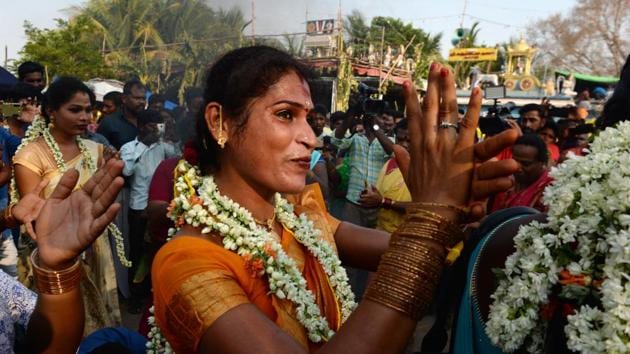
The first 16 days of the festival are filled with songs, dance, contests and seminars dedicated to health care. Started in 2000, Miss Koovagam a beauty contest symbolising the empowerment of the transgender community has also drawn participants and spectators from around the world, becoming a festival highlight. (Arun Sankar / AFP)
4/8
 View Photos in a new improved layout
Updated on May 04, 2018 9:35 AM
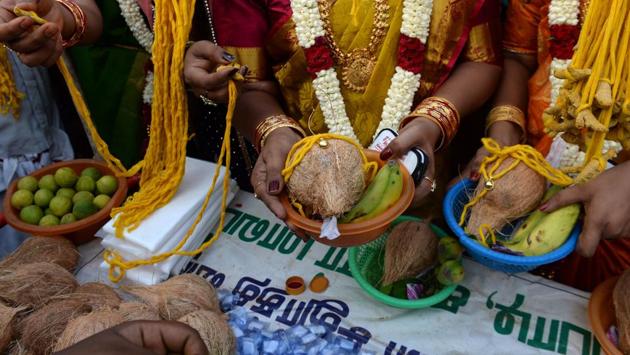
The brides purchase ‘thali’ or yellow threads that will be tied around their necks during the marriage ritual. The festival and its participants re-enact Aravan and Mohini’s marriage from the Mahabharata. (Arun Sankar / AFP)
5/8
 View Photos in a new improved layout
Updated on May 04, 2018 9:35 AM
A Hindu priest embodying Aravan performs the marriage at the Koothandavar temple. According to the Mahabharata, Aravan agreed to be sacrificed to the goddess Kali in order to ensure the Pandava’s success in the battlefield against the Kauravas, under the condition that he is married before he dies. (Arun Sankar / AFP)
6/8
 View Photos in a new improved layout
Updated on May 04, 2018 9:35 AM
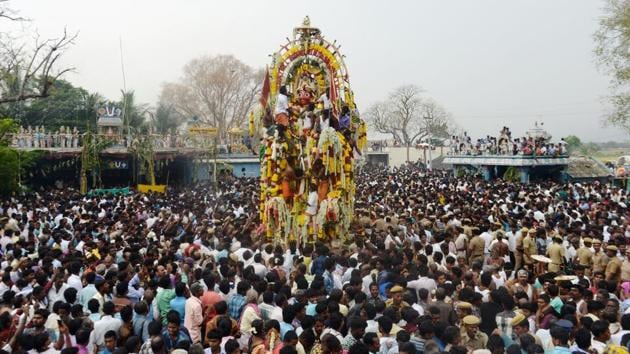
Devotees gather to take part in a ritual procession of pulling the statue of Aravan on a chariot. With no takers for a marriage that would bring immediate widowhood, Krishna agrees to takes the form of a woman, Mohini and fulfils Aravan’s condition. (Arun Sankar / AFP)
7/8
 View Photos in a new improved layout
Updated on May 04, 2018 9:35 AM
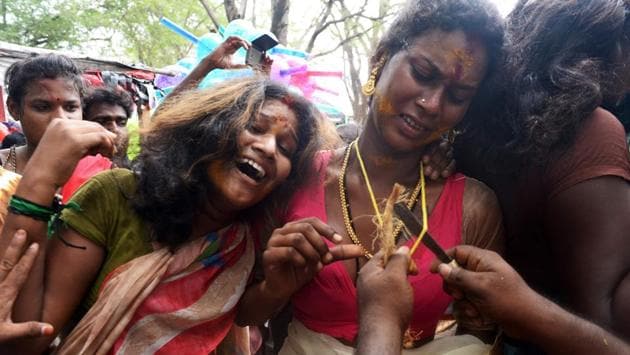
Devotees mourn the death of Aravan as priests break their bangles and snap the thalis. The Koovagam version of the story includes Krishna’s mourning as a widow the day after, once Aravan’s sacrifice is complete. Krishna then returns to his masculine form for the war. (Arun Sankar / AFP)
8/8
 View Photos in a new improved layout
Updated on May 04, 2018 9:35 AM


