
 E-Paper



Photos: Tracking Afrajul’s journey a month after his murder in Rajasthan
A month after Afrajul, a 48-year-old Muslim labourer, from West Bengal, was hacked and burnt to death, HT puts together a portrait of struggles, aspirations, life and death of the migrant from West Bengal who was brutally murdered in Rajasthan’s Rajsamand district.
Updated on: Jan 16, 2018 9:30 AM IST

Share via


Copy link

1/7
 View Photos in a new improved layout
Updated on Jan 16, 2018 9:30 AM
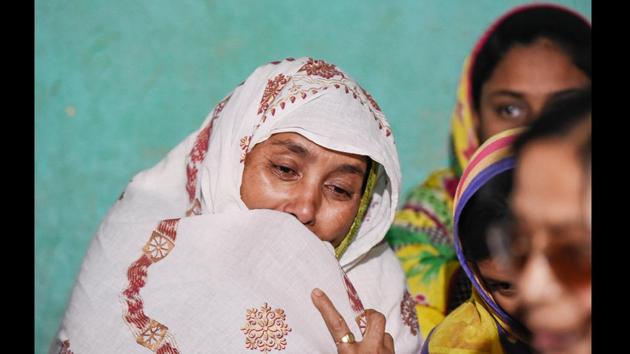
Gulbahar, wife of Afrajul, mourns the death of her husband, in village Saiydpur in West Bengal’s Malda district a month ago. The nondescript village of roughly 7,000 people in West Bengal’s Malda district has been mourning the death of fellow villager, Afrajul, who became the victim of a hate crime. (Burhaan Kinu / HT Photo)
2/7
 View Photos in a new improved layout
Updated on Jan 16, 2018 9:30 AM
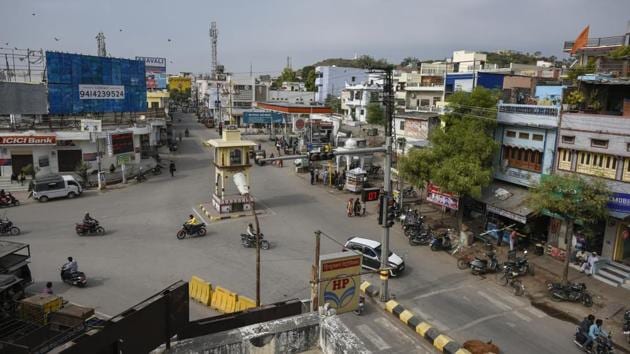
A general view of the crossing in Rajsamand where Mohammad Afrajul and other migrant labourers used to gather in search for the day's work, in Rajasthan. (Burhaan Kinu / HT Photo)
3/7
 View Photos in a new improved layout
Updated on Jan 16, 2018 9:30 AM
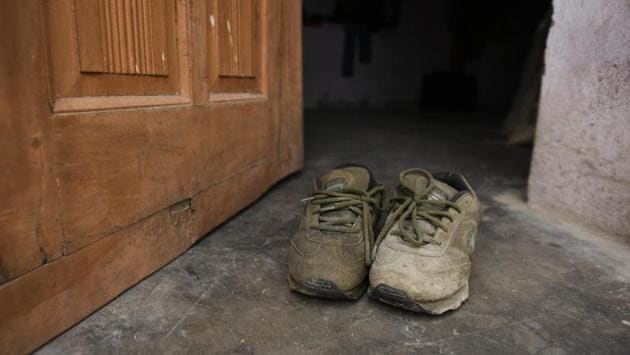
A pair of shoes belonging to Afrajul outside his house in Rajsamand. Even though his family has received Rs 8 lakh (Rs 5 lakh from the Rajasthan and Rs 3 lakh from the West Bengal governments respectively) as compensation, the murder of an exemplary family man and worker has frightened Muslims in the two states, reigniting debate over threats faced by the Muslim community, whether in their homes or while trading or travelling. (Burhaan Kinu / HT Photo)
4/7
 View Photos in a new improved layout
Updated on Jan 16, 2018 9:30 AM
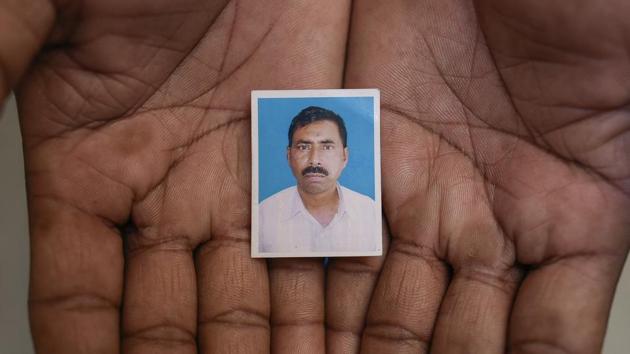
A passport photograph of Afrajul as held by his brother Rumkhan in Saiydpur in Malda. (Burhaan Kinu / HT Photo)
5/7
 View Photos in a new improved layout
Updated on Jan 16, 2018 9:30 AM
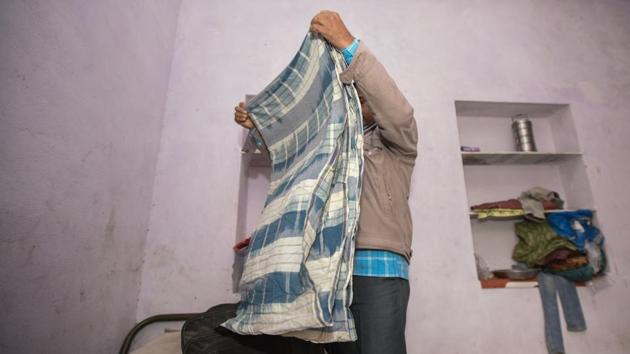
The inside of one of the three rooms in the house in Rajsamand (Rajasthan), where Afrajul used to live with his younger brother, nephew, two sons-in-law and roughly 20 migrants from Malda. Afrajul was seeking upward economic mobility – a dream shared by millions of poor migrants. (Burhaan Kinu / HT Photo)
6/7
 View Photos in a new improved layout
Updated on Jan 16, 2018 9:30 AM
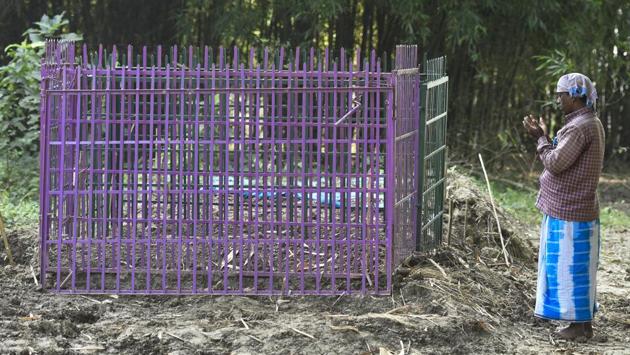
A view of Afrazul’s graveyard in West Bengal. The murder had a spiralling effect. The day following the murder, Rajsamand witnessed an exodus and Bengalis boarded the earliest trains available to leave the district. (Burhaan Kinu / HT Photo)
7/7
 View Photos in a new improved layout
Updated on Jan 16, 2018 9:30 AM


