
 E-Paper



Mighty Godavari runs dry in Maharashtra
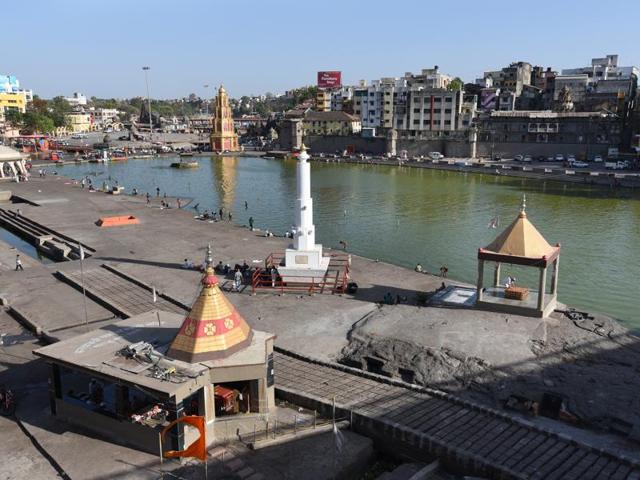
The sacred Ram Kund at Panchvati in Nashik is now filled with water brought in tankers and pipes from a tank in the vicinity. The stagnant water poses can be a health hazard in the pilgrim town. (Vijayanand Gupta/HT Photo)
Updated on: Apr 28, 2016 8:39 PM IST


Share via


Copy link

1/9
 View Photos in a new improved layout
Updated on Apr 28, 2016 8:39 PM
The sacred Ram Kund at Panchvati in Nashik is now filled with water brought in tankers and pipes from a tank in the vicinity. The stagnant water poses can be a health hazard in the pilgrim town. (Vijayanand Gupta/HT Photo)
2/9
 View Photos in a new improved layout
Updated on Apr 28, 2016 8:39 PM
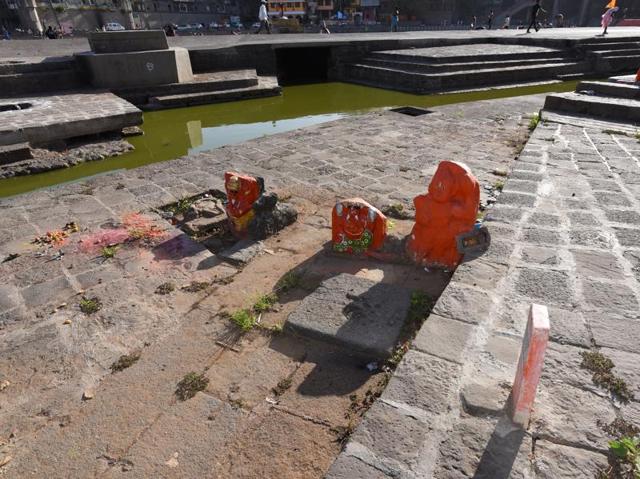
Many natural springs along the Godavari’s river’s bed have been covered with stone slabs or concrete, in Nashik. (Vijayanand Gupta/HT Photo)
3/9
 View Photos in a new improved layout
Updated on Apr 28, 2016 8:39 PM
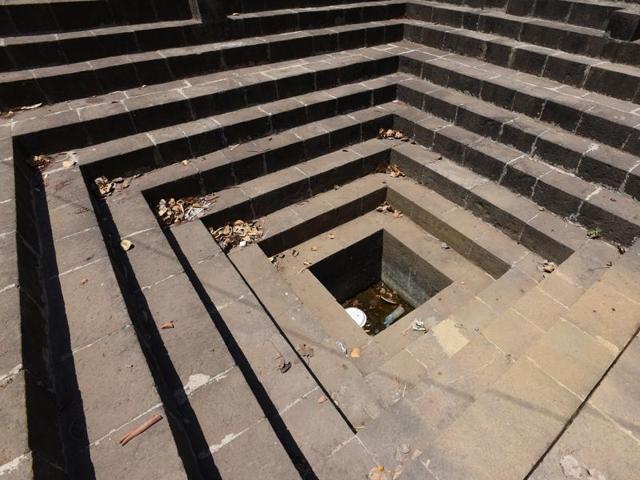
Concretisation of the Godavari riverbed destroyed natural springs that used to provide a steady flow of water to the river. (Vijayanand Gupta/HT Photo)
4/9
 View Photos in a new improved layout
Updated on Apr 28, 2016 8:39 PM
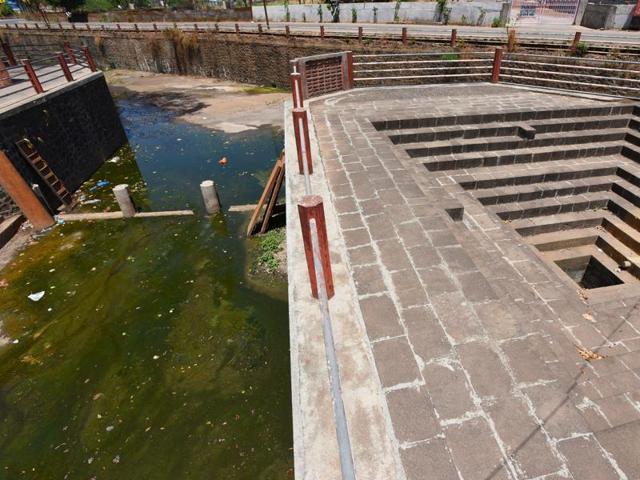
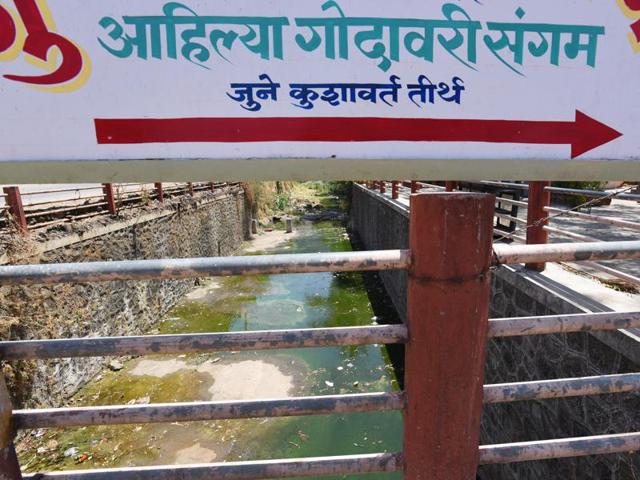
The dried-up confluence of rivers -- Godavari and Ahalya -- a kilometre from their origin in the Brahmagiri mountain. The confluence is a revered by Hindus. (Vijayanand Gupta/HT Photo)
5/9
 View Photos in a new improved layout
Updated on Apr 28, 2016 8:39 PM
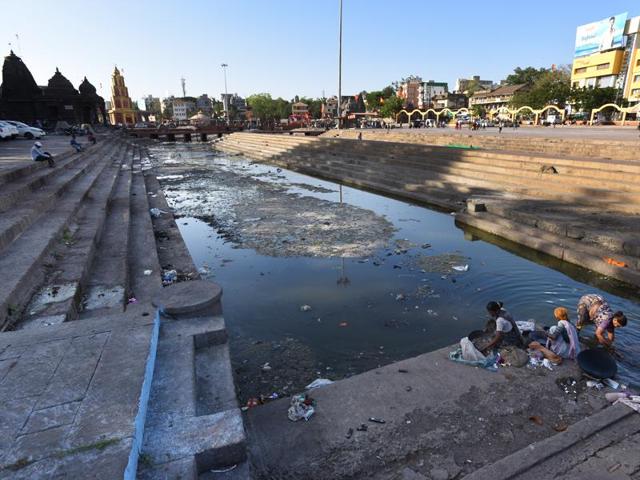
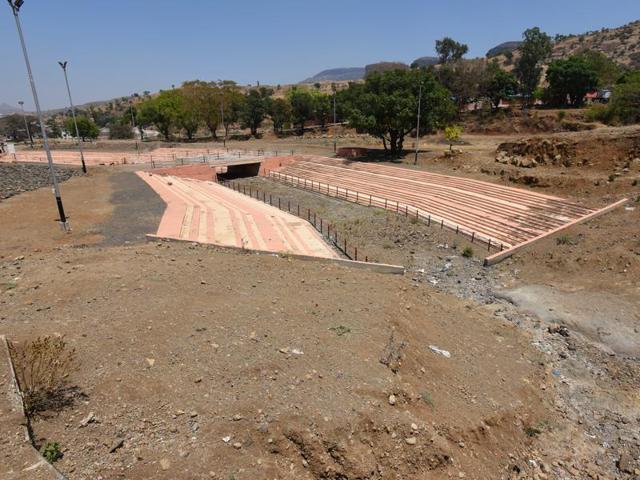
Construction along the Godavari and extensive damming have dried the river, in Nashik. (Vijayanand Gupta/HT Photo)
6/9
 View Photos in a new improved layout
Updated on Apr 28, 2016 8:39 PM
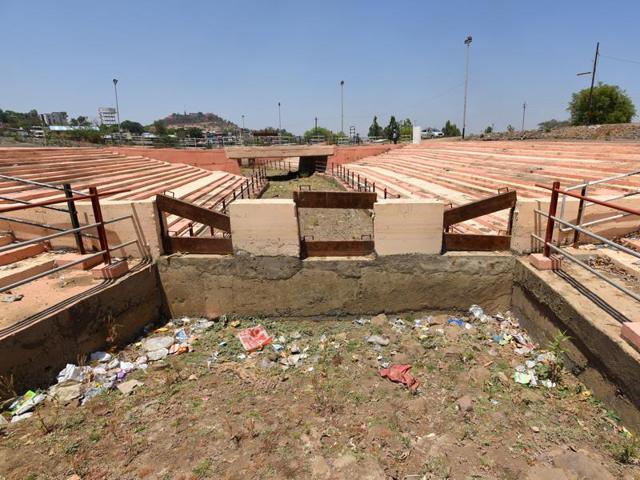
Godavari is the second longest river in India after the Ganga. (Vijayanand Gupta/HT Photo)
7/9
 View Photos in a new improved layout
Updated on Apr 28, 2016 8:39 PM
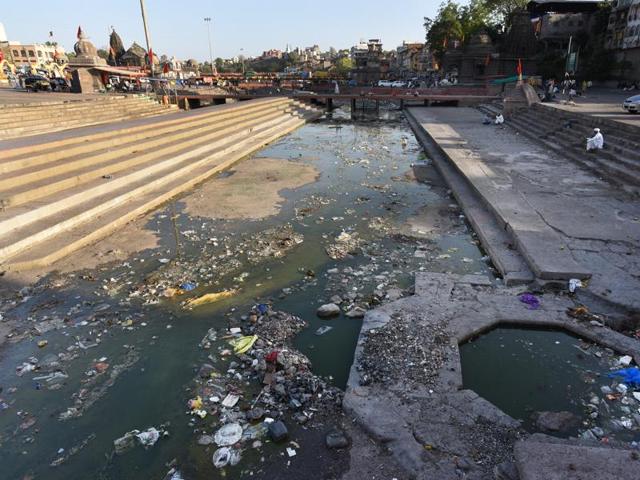
The Ahalya river, where pilgrims throng for a holy dip during the Kumbh, is also running dry. (Vijayanand Gupta/HT Photo)
8/9
 View Photos in a new improved layout
Updated on Apr 28, 2016 8:39 PM
Reducing water levels in the Godavari is a cause of concern over sustainability of India’s second-longest river. (Vijayanand Gupta/HT Photo)
9/9
 View Photos in a new improved layout
Updated on Apr 28, 2016 8:39 PM


