
 E-Paper



6 hormones that control our appetite, cravings and fat storage
From Insulin to Estrogen, here are six hormones that are responsible for increasing appetite, sugar cravings and deciding how the body stores fat.
Published on: Feb 7, 2024 6:00 AM IST


Share via


Copy link

1/7

 View Photos in a new improved layout
Published on Feb 7, 2024 6:00 AM
Hormones are extremely important for the proper functioning of the body, and they help in boosting certain functions such as hunger, sense of cravings and the way the body stores fat. "Weight gain or inability to lose weight isn’t just an issue associated with the food you eat or how much you exercise. It can also be affected by stress, sleep, gut health, genes, exposure to environmental toxins, the mind-body connection, and hormones," wrote Nutritionist Marina Wright. (Unsplash)
2/7
 View Photos in a new improved layout
Published on Feb 7, 2024 6:00 AM
Low production of Thyroid hormones can alleviate the body's ability to burn fat and metabolise the stored calories for energy. (Unsplash)
3/7
 View Photos in a new improved layout
Published on Feb 7, 2024 6:00 AM
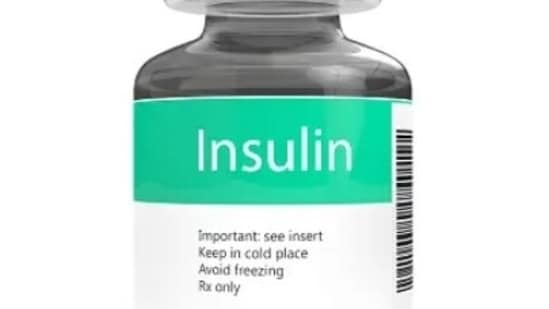
Excess Insulin can lead to weight gain, inflammation, and the risk of chronic diseases. (Unsplash)
4/7
 View Photos in a new improved layout
Published on Feb 7, 2024 6:00 AM
Cortisol can cause fat deposits and lead to more sugar cravings and decrease our metabolism rate. (Unsplash)
5/7
 View Photos in a new improved layout
Published on Feb 7, 2024 6:00 AM
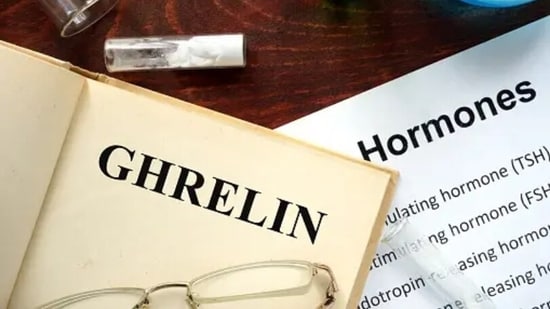
Ghrelin is the opposite of Leptin. Ghrelin is the hunger hormone, and the main function is to increase appetite. (Unsplash)
6/7
 View Photos in a new improved layout
Published on Feb 7, 2024 6:00 AM
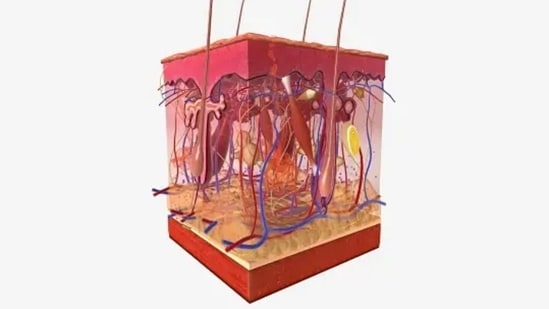
Leptin is made within fat cells and can make us feel satiated. Leptin resistance can stop us from feeling full or satiated. (Unsplash)
7/7
 View Photos in a new improved layout
Published on Feb 7, 2024 6:00 AM


