
 E-Paper



Bombay’s old Goan clubs
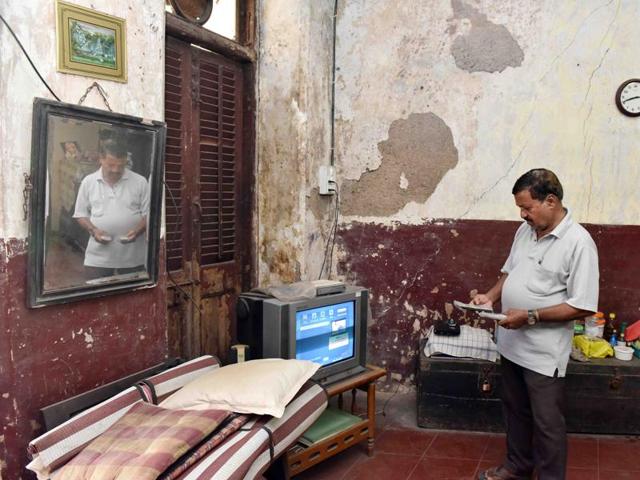
Henry Fernandes, 69, manager of the Club of Ponda, in Jer Mahal, Dhobi Talao. The word kudd, also spelt ‘coor’ or ‘cudd’, literally means ‘room’ in Konkani. Kudds, also referred to as clubs, are dormitory-style accommodation spaces that first cropped up in the late 18th to early 19th century, to house Goan migrants who were flocking to the commercial hub of Bombay in search of work. Of the 450 kudds in the city, only about 160 remain, according to the Federation of Goan Club (Kudd), of which Henry is a treasurer. (Pratham Gokhale/Hindustan Times)
Updated on: Mar 14, 2016 8:20 PM IST

Share via


Copy link

1/9
 View Photos in a new improved layout
Updated on Mar 14, 2016 8:20 PM
Henry Fernandes, 69, manager of the Club of Ponda, in Jer Mahal, Dhobi Talao. The word kudd, also spelt ‘coor’ or ‘cudd’, literally means ‘room’ in Konkani. Kudds, also referred to as clubs, are dormitory-style accommodation spaces that first cropped up in the late 18th to early 19th century, to house Goan migrants who were flocking to the commercial hub of Bombay in search of work. Of the 450 kudds in the city, only about 160 remain, according to the Federation of Goan Club (Kudd), of which Henry is a treasurer. (Pratham Gokhale/Hindustan Times)
2/9
 View Photos in a new improved layout
Updated on Mar 14, 2016 8:20 PM
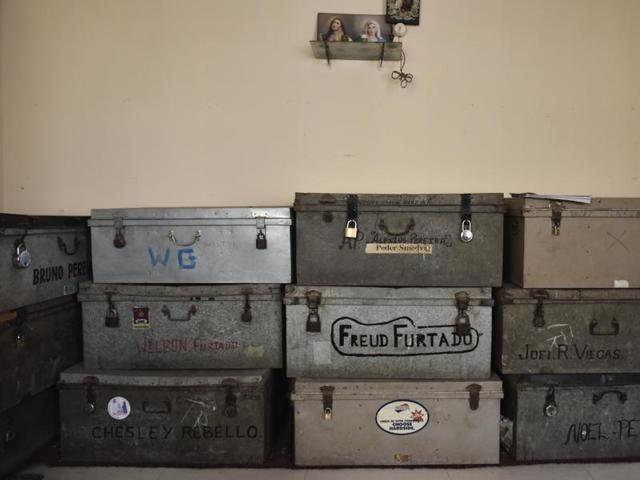
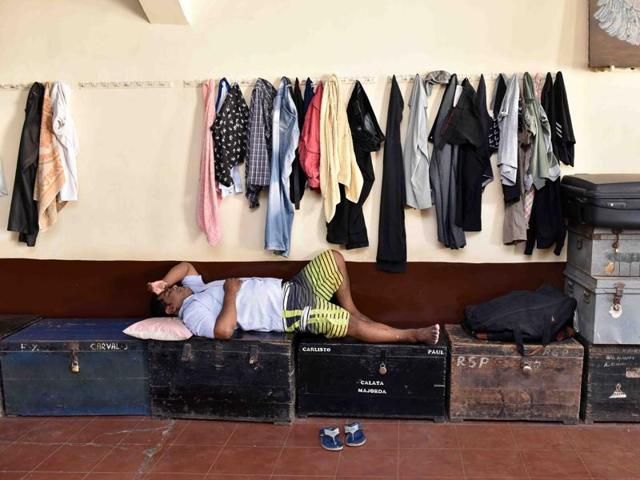
Most Kudd inhabitants ended up working as seamen — waiters, mess-men and cooks on ships. They would halt at their kudd in Mumbai before starting each voyage, or would spend a few days of shore leave there before heading home to Goa on breaks. Often, they would leave belongings behind in a trunk with their name or membership number. Here, metal crates line the walls of the Club of St Anthony (Deussua) in Matharpacady, Mazgaon. (Arijit Sen/ Hindustan Times)
3/9
 View Photos in a new improved layout
Updated on Mar 14, 2016 8:20 PM
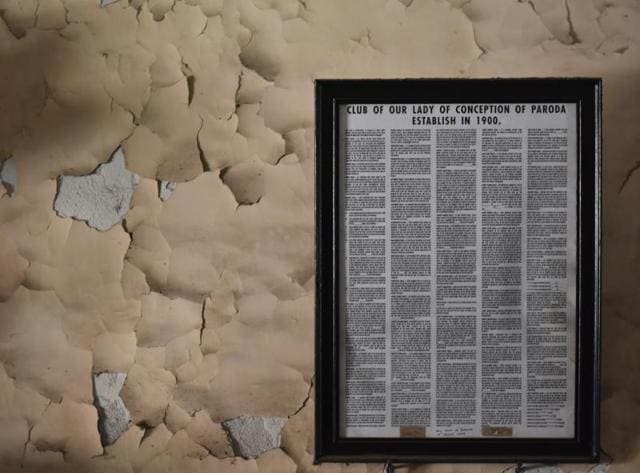
Rules, written in Konkani, hang by a flaky wall inside the Club of Paroda in Matharpacady, Mazgaon. Members of every kudd follow a similar set of rules — the daily evening rosary is compulsory, bedding must be rolled up by 8 am, lights must go out by 10.30 pm. Drinking is allowed as long as no nuisance is created, and most kudds allow card games on certain days. (Arijit Sen/ Hindustan Times)
4/9
 View Photos in a new improved layout
Updated on Mar 14, 2016 8:20 PM
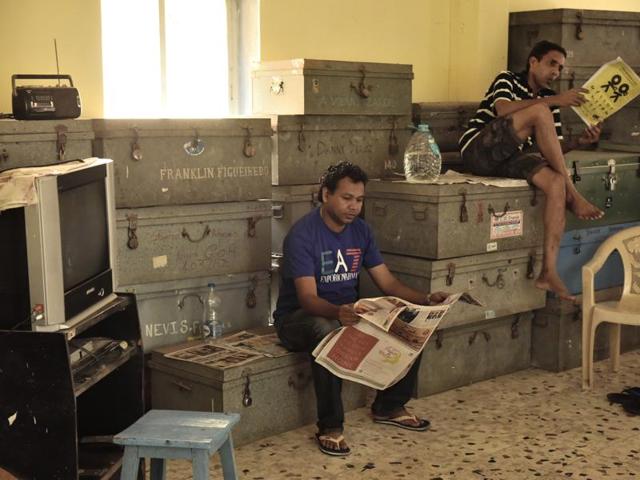
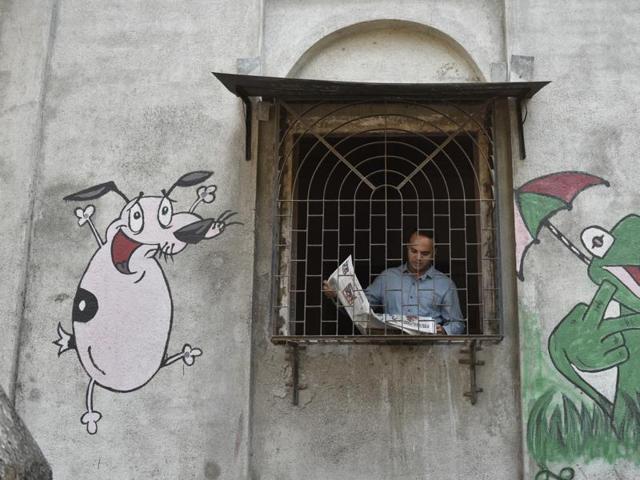
Each kudd is named after a Goan village. Members can stay at the club indefinitely, for a monthly rent that now ranges from Rs 50 to Rs 150. Here, Nalvey Fernandes, 35, reads a newspaper at the Club of Carmona near Dhobi Talao. A waiter on a cruise ship, he has already spent a week of his three-month layover at the club. He pays Rs 100 a month. (Arijit Sen/ Hindustan Times)
5/9
 View Photos in a new improved layout
Updated on Mar 14, 2016 8:20 PM
Graffiti adds a dash of colour on the otherwise ashen exterior of the Club of Paroda in Matharpacady, Mazgaon. (Arijit Sen/ Hindustan Times)
6/9
 View Photos in a new improved layout
Updated on Mar 14, 2016 8:20 PM
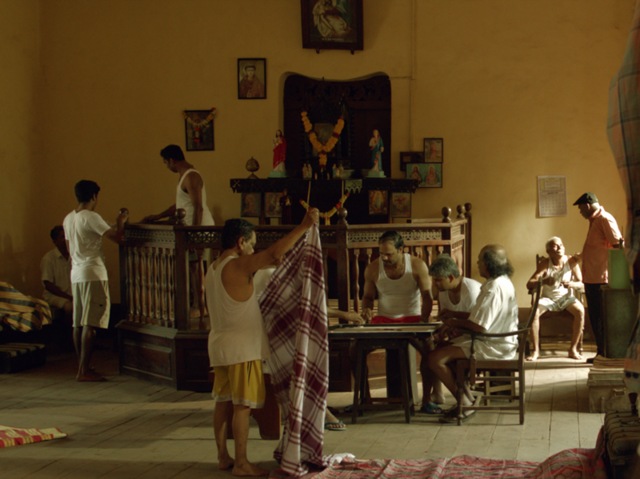
A still from a Konkani short film, Nachom-ia Kumpasar, by filmmaker Bardroy Barretto. Based on the life of Goan musician Chris Perry, who briefly stayed in the Club of Couclim in the Dhobi Talao area, Barretto recreated a kudd set in Goa for this film. (Photo courtesy: Bardroy Barretto)
7/9
 View Photos in a new improved layout
Updated on Mar 14, 2016 8:20 PM
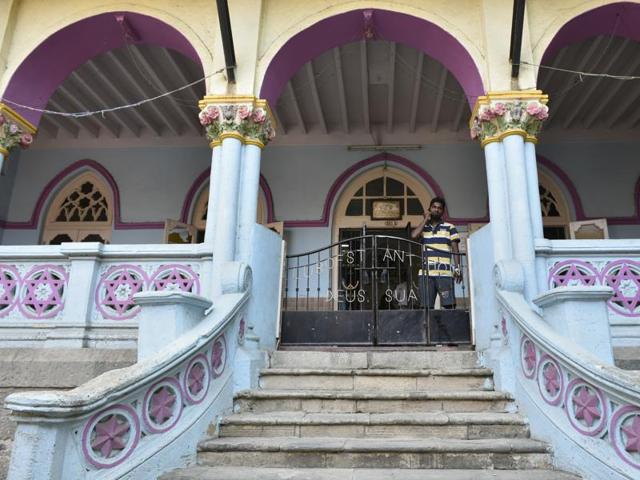
The 136-year-old Club of St Anthony’s (Deussua), in Mazgaon, is spread across a sprawling 10,763 sq-ft, with eight airy dormitories, six family rooms, three toilets, three bathrooms and a kitchen. Each member pays Rs 50 a month. It was renovated last year with contributions from members. (Arijit Sen/ Hindustan Times)
8/9
 View Photos in a new improved layout
Updated on Mar 14, 2016 8:20 PM
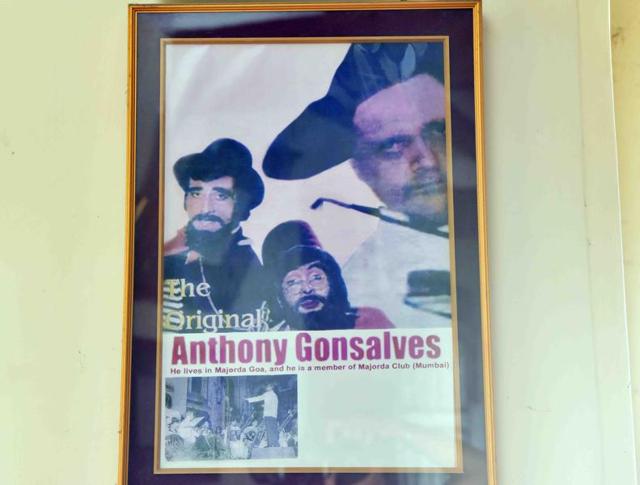
A young man rests on a row of trunks at the Club of Majorda , in Jer Mahal, Dhobi Talao. Beds are not allowed. (Pratham Gokhale/ Hindustan Times)
9/9
 View Photos in a new improved layout
Updated on Mar 14, 2016 8:20 PM


