
 E-Paper



Let's talk breasts! Tips to keep your mammaries healthy
To promote breast health, you need to elf-examine your breasts regularly. Many women complain of lumps, breast pain or nipple discharge. Know when to consult a doctor and go for common screening and diagnostic tests like clinical breast exams, mammograms and breast ultrasounds.
Published on: Jun 13, 2021 10:43 AM IST


Share via


Copy link

1/8

 View Photos in a new improved layout
Published on Jun 13, 2021 10:43 AM
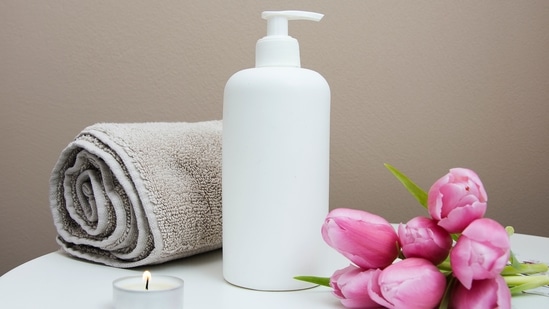
Taking care of your breast health is not only about checking for lumps and bumps but also involves other factors like moisturising, exercising, eating healthy, etc. (File image)
2/8
 View Photos in a new improved layout
Published on Jun 13, 2021 10:43 AM
Self-massage: Massaging your breasts can relax the muscles and also keep you aware of your own body. (Unsplash)
3/8
 View Photos in a new improved layout
Published on Jun 13, 2021 10:43 AM
Self-breast examination: It is very important to self-examine your breasts every month. Raise one arm at a time and slowly move your fingers from the armpit to the breast. If you notice any limps or nodes that are unusual then go for a check-up. (Unsplash)
4/8
 View Photos in a new improved layout
Published on Jun 13, 2021 10:43 AM
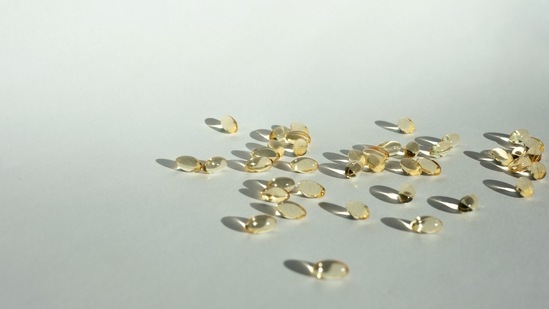
Vitamin D: Researchers have linked low levels of the so-called 'sunshine vitamin' with an increased risk of breast cancer whereas high levels can decrease the risk. (Unsplash)
5/8
 View Photos in a new improved layout
Published on Jun 13, 2021 10:43 AM
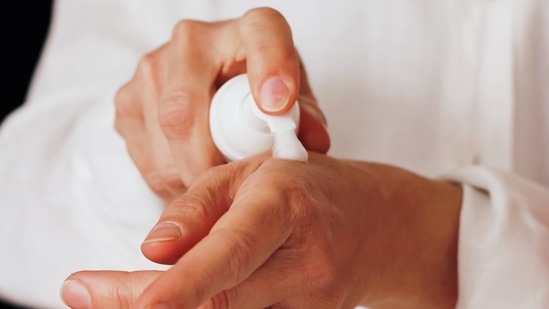
Moisturise: Just like the rest of your body, your breast can also get dry, itchy, and sensitive. The breast area is thinner and more delicate than other areas so it is prone to wrinkles. Therefore, you need to apply a lotion every day after shower and at night before going to bed to keep them soft. (Unsplash)
6/8
 View Photos in a new improved layout
Published on Jun 13, 2021 10:43 AM
Supplements for soreness: If your breast feels uncomfortable with your monthly hormonal fluctuations then it is suggested you take vitamins and supplements to ease the discomfort. (Unsplash)
7/8
 View Photos in a new improved layout
Published on Jun 13, 2021 10:43 AM
Avoid stressing: Study suggests that chronic stress can rev up the hormone epinephrine, which further boosts an enzyme called lactate dehydrogenase that can trigger breast cancer stem cells. (Unsplash)
8/8
 View Photos in a new improved layout
Published on Jun 13, 2021 10:43 AM


