
 E-Paper



What is scalp popping? Here are some risks involved
In general, it is best to approach scalp popping with caution and consult a medical professional before attempting to pop or crack your scalp or neck.
Updated on: Apr 4, 2023 5:58 PM IST


Share via


Copy link

1/5

 View Photos in a new improved layout
Published on Apr 4, 2023 5:58 PM
Scalp popping, also known as scalp cracking or neck cracking, is a practice that involves applying pressure to the scalp or neck in order to produce a popping or cracking sound. While this practice may provide a sense of relief or satisfaction for some people, it can also carry certain risks. Here are some of the potential risks of scalp popping: (Freepik)
2/5
 View Photos in a new improved layout
Published on Apr 4, 2023 5:58 PM
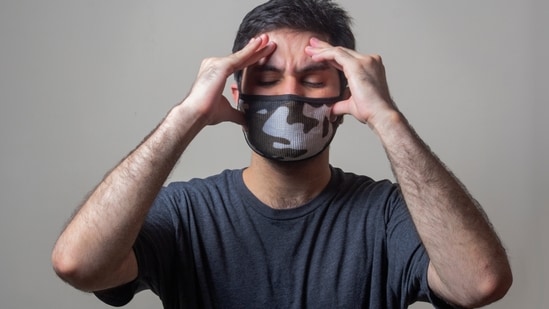
Headaches: Scalp popping can trigger headaches, especially if it is done too forcefully or too frequently. (Unsplash)
3/5
 View Photos in a new improved layout
Published on Apr 4, 2023 5:58 PM
Injury: Applying excessive force to the scalp or neck can result in injuries, such as strained muscles, sprains, or even spinal cord damage. (Pexels)
4/5
 View Photos in a new improved layout
Published on Apr 4, 2023 5:58 PM
Arthritis: Repeated popping or cracking of the neck or scalp can increase the risk of developing arthritis in the affected area. (Unsplash)
5/5
 View Photos in a new improved layout
Published on Apr 4, 2023 5:58 PM


