
 E-Paper



Photos: Mumbai national park rears abandoned leopard cubs into playful teens
Over the past six months, Mumbai’s Sanjay Gandhi National Park has nurtured two frail leopard cubs found abandoned by their mother in a sugarcane farm into healthy, active big cats. At a time when a large number of leopard deaths have been reported and also in the face of India’s shrinking leopard numbers according to a 2015 nationwide leopard census, park authorities are especially happy at the outcome of this endeavor considering past attempts at raising abandoned cubs have resulted in failure.
Updated on: Jun 19, 2018 9:16 AM IST

Share via


Copy link

1/6
 View Photos in a new improved layout
Updated on Jun 19, 2018 9:16 AM
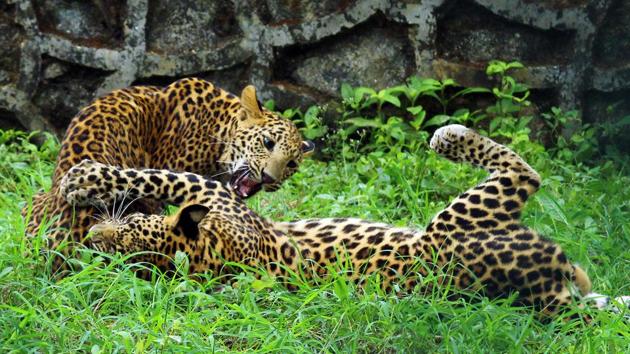
Over the past six months, Mumbai’s Sanjay Gandhi National Park (SGNP) has nurtured two frail leopard cubs into healthy, active big cats. In November, farmers in a sugarcane field in Ahmednagar found the cubs — a male and a female. Three failed attempts by forest department officials to find their mother later, the month-olds were brought to SGNP’s leopard rescue centre. (Pramod Thakur / HT Photo)
2/6
 View Photos in a new improved layout
Updated on Jun 19, 2018 9:16 AM
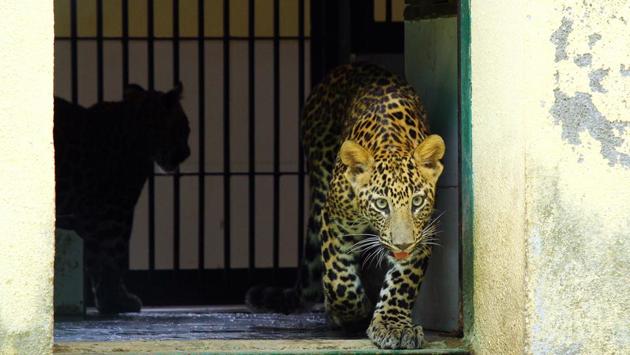
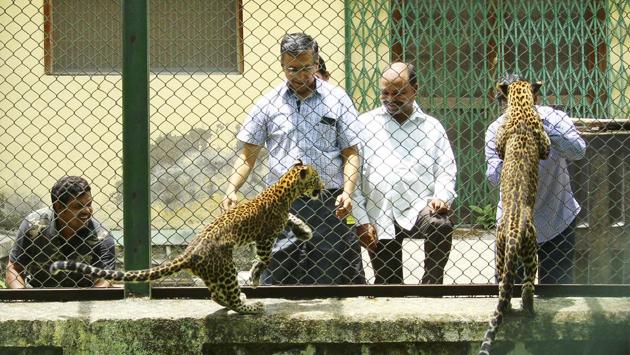
Six months later, Tara and Suraj who weighed 850gm and 1kg when first brought in, have grown to weigh a healthy 13kg and 14kg. While Tara initially faced minor health complications in her new surroundings, the park’s veterinary team ensured the cubs grew into energetic, healthy and curious seven-month-olds. (Pramod Thakur / HT Photo)
3/6
 View Photos in a new improved layout
Updated on Jun 19, 2018 9:16 AM
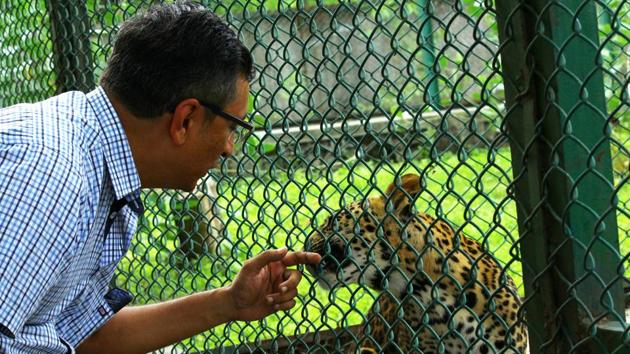
Park officials said success in rearing the abandoned cubs was a case study in how to take care of big cats in captivity. “The entire exercise has been a great challenge for us, especially the first few months, as the cubs were acclimatising to their new environment,” said Dr Shailesh Pethe, the veterinary officer, at SGNP who led the efforts. (Pramod Thakur / HT Photo)
4/6
 View Photos in a new improved layout
Updated on Jun 19, 2018 9:16 AM
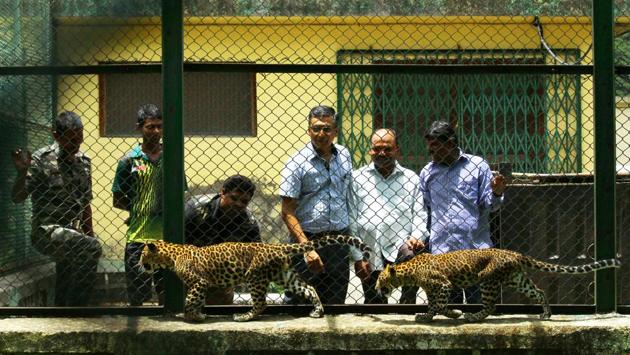
The cubs were kept at SGNP’s veterinary hospital for the first three months, and then transferred to the rescue centre used to house injured animals. Till March, the SGNP team had to monitor the cubs round-the-clock because their immunity was low, and there were changes in temperature between Ahmednagar to Mumbai. (Pramod Thakur / HT Photo)
5/6
 View Photos in a new improved layout
Updated on Jun 19, 2018 9:16 AM
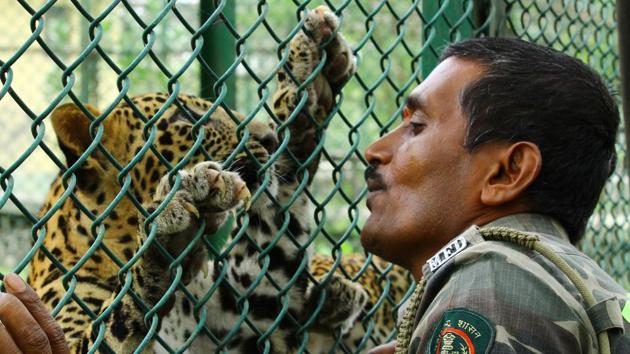
In most cases, leopard cubs without their mothers do not survive, but here they grew under constant care. The cubs played violently, scratching and bruising the staff, but it did not deter them in providing a relaxed atmosphere for the cubs. (Pramod Thakur / HT Photo)
6/6
 View Photos in a new improved layout
Updated on Jun 19, 2018 9:16 AM


