
 E-Paper



Photos: A Cold War nostalgia fix at New York’s KGB museum
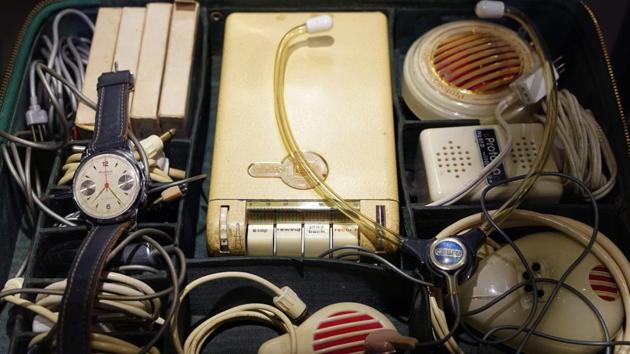
A Manhattan museum offers a time-traveler's plunge into the world of the Cold War-era spy agency, complete with portraits of Vladimir Lenin on the walls, military music in the background and high-tech espionage devices galore. The exhibit presents a never-before-seen collection of items covering the activities of KGB agents and revealing the methods that underlay many of history's top secret espionage operations. The vast exhibition is home to some 3,500 original period objects, which Lithuanian historian and designer of the museum Julius Urbaitis claims to have gathered after 30 years of research.
Updated on: Feb 01, 2019 4:42 PM IST

Share via


Copy link

1/9
 View Photos in a new improved layout
Updated on Feb 01, 2019 4:42 PM
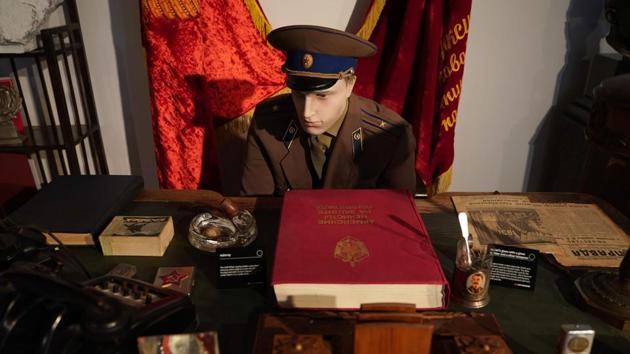
Assassinations in broad daylight. Ruthless agents plotting undercover. Bugging devices in every Western capital. Three decades after the fall of the Soviet Union, the specter of the KGB still looms large in the public imagination.The KGB Spy Museum is the brainchild of a 55-year-old Lithuanian historian Julius Urbaitis, who spent three decades gathering the 3,500 original artefacts brought together in its cavernous exhibition hall. (Timothy A. Clary / AFP)
2/9
 View Photos in a new improved layout
Updated on Feb 01, 2019 4:42 PM
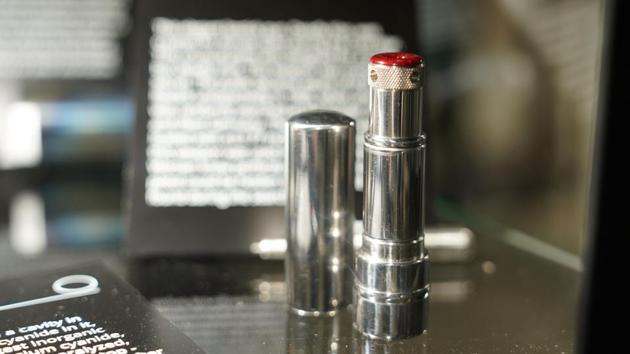
Housed in Manhattan, dozens of period objects showcase the cutting-edge technology used by KGB spies to steal a march on the Soviet Union’s rivals -- chief among them the United States. There are dozens of cameras designed to be concealed in buttons, belts or accessories. There are lipstick guns (pictured), miniature microphones, and shoe heels with secret caches for documents. (Timothy A. Clary / AFP)
3/9
 View Photos in a new improved layout
Updated on Feb 01, 2019 4:42 PM
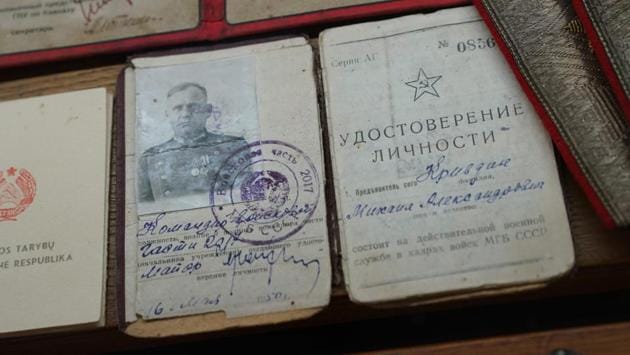
A view of one of the items that are on display at the museum. There is a replica of the “Bulgarian umbrella” used in 1978 in London to fatally poison Bulgarian dissident Georgi Markov in one particularly infamous Cold War episode. KGB offices are painstakingly reconstituted using original period artefacts, from furniture, typewriters and uniforms right down to books, cigarettes or tea cups. (Timothy A. Clary / AFP)
4/9
 View Photos in a new improved layout
Updated on Feb 01, 2019 4:42 PM
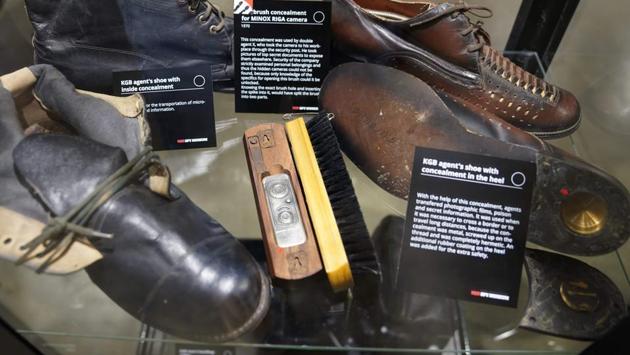
Specially purposed shoes on display at The KGB Spy Museum. As an optional extra, visitors can take a tour with a Russian-speaking guide -- such as Sergei Kolosov, a former detective with the Saint Petersburg police who remembers using some of the items on show. Urbaitis and his daughter Agne Urbaityte, 29, describe themselves as co-curators of the show, whose owner is an American company which wishes to remain anonymous. (Timothy A. Clary / AFP)
5/9
 View Photos in a new improved layout
Updated on Feb 01, 2019 4:42 PM
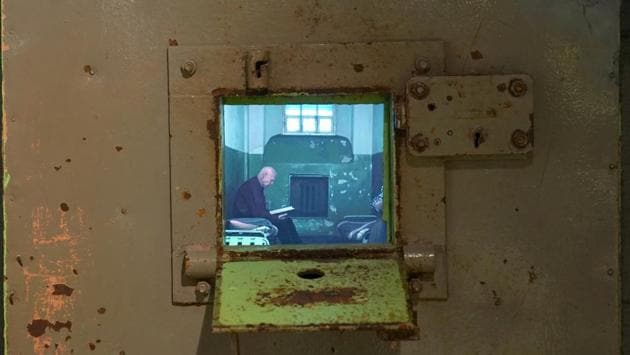
KGB prison doors (with video images) on display at The KGB Spy Museum. While the museum does depict harsh KGB tactics -- for instance through a model of an interrogation chair -- some critics have taken issue with its seemingly light-hearted approach to a deadly legacy. Urbaitis counters that his project is “apolitical” -- and his goal simply to “make this museum the best in the world about KGB technologies.” (Timothy A. Clary / AFP)
6/9
 View Photos in a new improved layout
Updated on Feb 01, 2019 4:42 PM
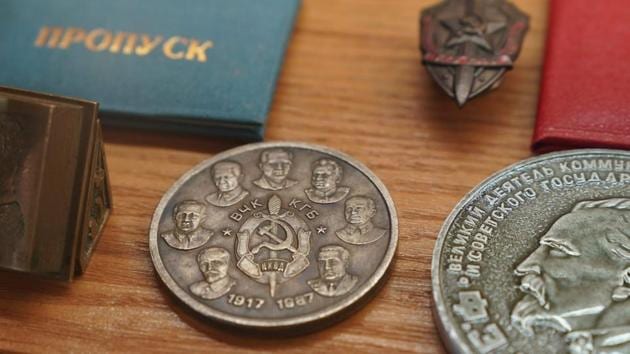
For proof of the enduring fascination with the KGB, look no further than the runaway success of the long-running TV series “The Americans,” loosely inspired by the story of a couple of Soviet spies living under deep cover in US suburbia. The new museum welcomed hundreds of people in its first few days. (Timothy A. Clary / AFP)
7/9
 View Photos in a new improved layout
Updated on Feb 01, 2019 4:42 PM
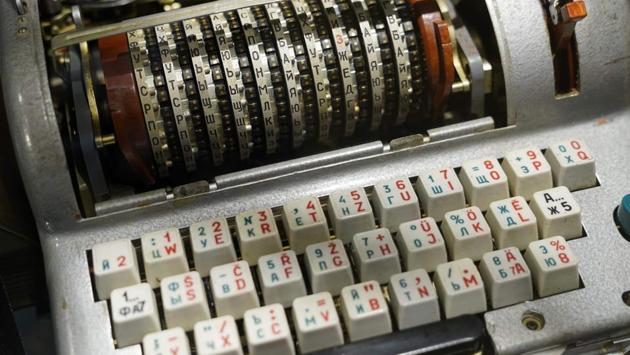
“It’s an indication of how our two countries -- Russia and the US -- were constantly trying to gain secrets one to the other,” said Jim Lytle, who was among its early visitors. “Russia might have an exhibition like this about the CIA, I hope they do,” he added. (Timothy A. Clary / AFP)
8/9
 View Photos in a new improved layout
Updated on Feb 01, 2019 4:42 PM
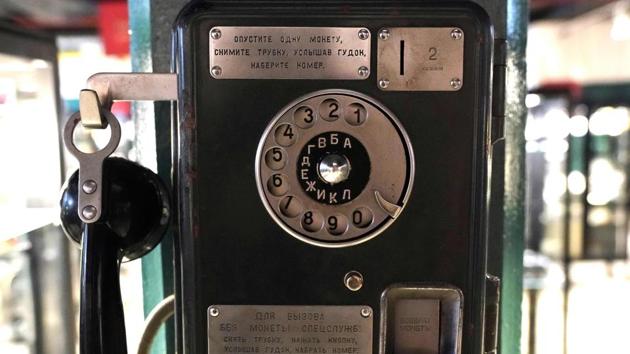
A payphone used by KGB agents on display. While the Soviet Union is long gone, and the technology has evolved beyond recognition, allegations of espionage dirty tricks continue to swirl around modern-day Russia and its leader Vladimir Putin -- a former head of the FSB, the main successor to the notorious KGB. (Timothy A. Clary / AFP)
9/9
 View Photos in a new improved layout
Updated on Feb 01, 2019 4:42 PM


