
 E-Paper



Photos | A ‘Japanese tip’: the origami art left by diners
Yuki Tatsumi has a collection of over 15,000 pieces of found "origami art" made by customers folding the paper sleeves that cover chopsticks at Japanese restaurants. A researcher at an art museum in Kameoka near Kyoto, Tatsumi has already exhibited his collection in Japan, and plans to take it to art events in Paris and South Korea later this year. He sees these crumbled abstract pieces of wrappers as unspoken message between customers and their servers in restaurants and wants the collection to remind people to show appreciation and consideration for what they have.
Updated on: Jul 06, 2018 11:01 AM IST

Share via


Copy link

1/6
 View Photos in a new improved layout
Updated on Jul 06, 2018 11:01 AM
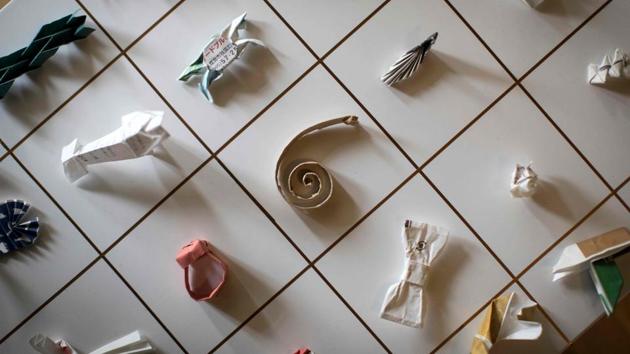
A collection of origami made from chopstick sleeves maintained by Yuki Tatsumi in Kameoka, Kyoto. Tatsumi was waiting tables at a pub when something on the table caught his eye -- a chopstick wrapper folded and fiddled into an abstract shape. It was the catalyst for a collection that now includes 15,000 pieces of found “origami art” made by restaurant customers from paper sleeves that cover chopsticks. (Harumi Ozawa / AFP)
2/6
 View Photos in a new improved layout
Updated on Jul 06, 2018 11:01 AM
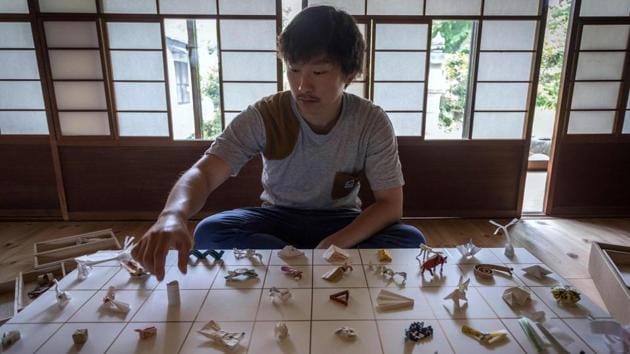
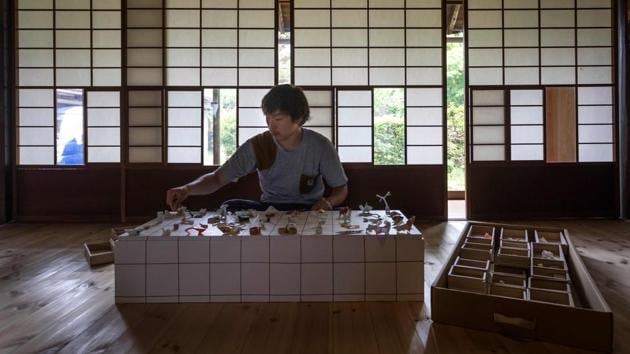
Yuki Tatsumi sits next to his collection of origami made from chopstick sleeves. “The very first one I found just looked like a bit of junk,” 27-year-old Tatsumi admitted, but it made him think. Tipping at restaurants is not standard in Japan, but Tatsumi came to see these folded paper pieces left behind by customers as a “Japanese tip”, and started watching out for different types. (Harumi Ozawa / AFP)
3/6
 View Photos in a new improved layout
Updated on Jul 06, 2018 11:01 AM
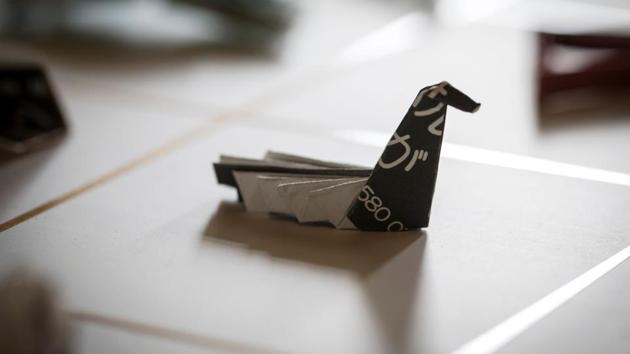
“I discovered many of them were folded in shapes of traditional good luck items in Japan, like a fan, a crane and a turtle,” Tatsumi said. Motivated by this variety, in April 2016, he set off on a year-long road trip, asking hundreds of eateries from sushi restaurants to noodle stands to share their transformed paper sleeves with him. (Harumi Ozawa / AFP)
4/6
 View Photos in a new improved layout
Updated on Jul 06, 2018 11:01 AM
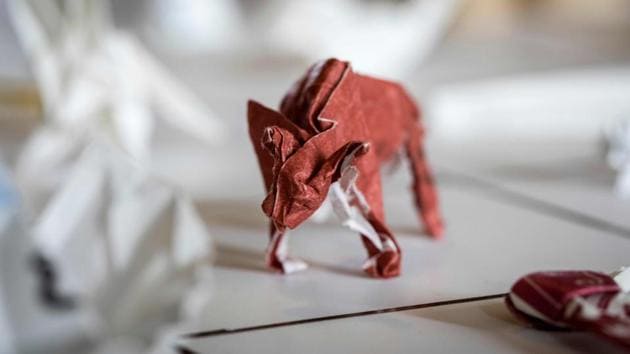
Eventually 185 places from northern Hokkaido to southern Okinawa promised to keep whatever they found and send them to him. Tatsumi said that even if it may be hard to believe, especially for those outside Japan, but this way of showing appreciation that is unique to each person was something very pleasing to him. (Harumi Ozawa / AFP)
5/6
 View Photos in a new improved layout
Updated on Jul 06, 2018 11:01 AM
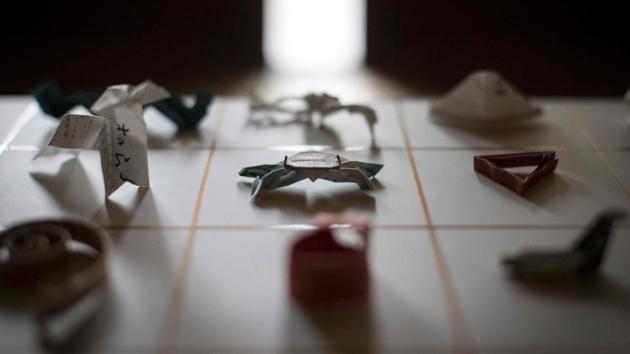
Many of these origamis are simple. But others are elaborate, like a black and white patterned piece formed into a dress, or a blue wrapper twisted into a snake, with the folds following the patterns on the paper. Tatsumi sees them as an unspoken message between customers and their servers, and worries that as automated service becomes more common in Japan, these “tips” will disappear. (Harumi Ozawa / AFP)
6/6
 View Photos in a new improved layout
Updated on Jul 06, 2018 11:01 AM


