
 E-Paper



Photos: A race to read Austria’s melting glacial climate archive
Glaciers in Austria, on the eastern edge of the Alps, are particularly sensitive to climate change and have been shrinking more rapidly than most around the world, making it all the more urgent to examine their contents before they disappear according to scientists of the Institute for Interdisciplinary Mountain Research conducting the work. While analysis of materials such as tree trunks can provide information on the air temperature in summer, glacial ice is a rare source of information on precipitation. The challenge is to take current data and compare it previous centuries and millennia before it melts away.
Updated on: Sep 25, 2019 12:37 PM IST

Share via


Copy link

1/12
 View Photos in a new improved layout
Updated on Sep 25, 2019 12:37 PM
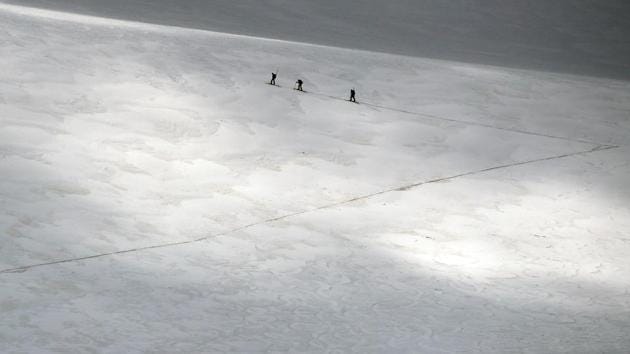
A group of scientists from the Austrian Institute for Interdisciplinary Mountain Research cross the Jamtalferner glacier near Galtuer, Austria. Scientists are racing to read a rapidly melting archive of climate data going back thousands of years - the insides of Austria’s Alpine glaciers. (Lisi Neisner / REUTERS)
2/12
 View Photos in a new improved layout
Updated on Sep 25, 2019 12:37 PM
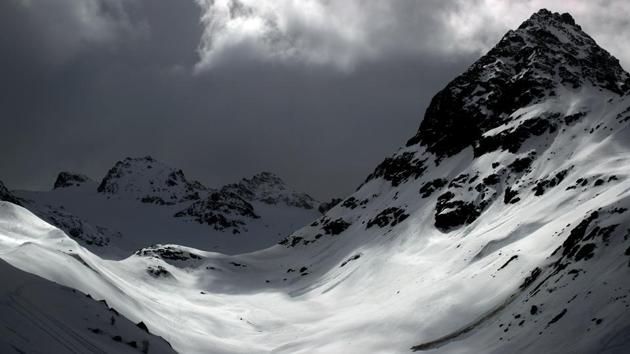
The Jamtalferner glacier is seen near Galtuer. Mountain glaciers are receding the world over as average global temperatures rise - a phenomenon that will be described in detail in a report by the Intergovernmental Panel on Climate Change this week. (Lisi Neisner / REUTERS)
3/12
 View Photos in a new improved layout
Updated on Sep 25, 2019 12:37 PM
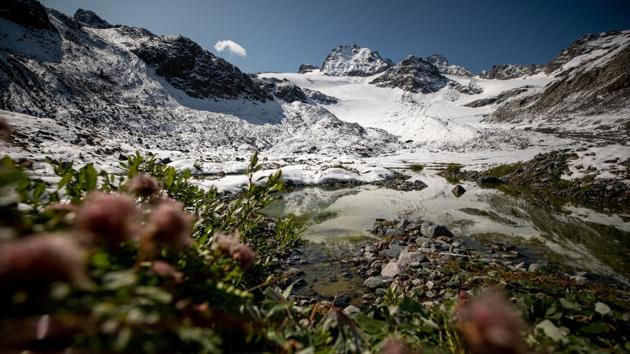
Plants grow near a lake in front of Jamtalferner glacier. Glaciers in Austria, on the eastern edge of the Alps, are particularly sensitive to climate change and have been shrinking even more rapidly than most. (Lisi Neisner / REUTERS)
4/12
 View Photos in a new improved layout
Updated on Sep 25, 2019 12:37 PM
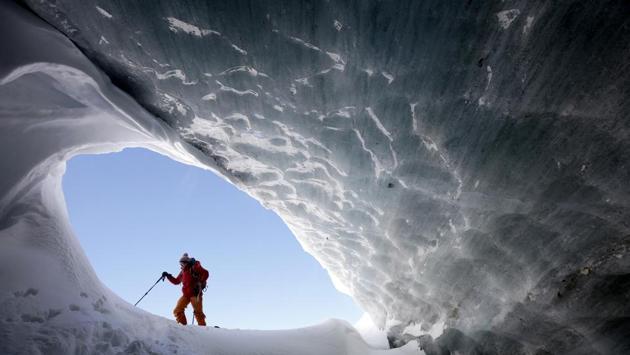
Glaciologist Andrea Fischer from the Austrian Institute for Interdisciplinary Mountain Research, walks at the entrance of an ice cave of Jamtalferner glacier. The greater sensitivity makes it all the more urgent to examine the contents of glaciers in the Austrian Alos before they disappear, said Fischer, a scientist conducting the work. (Lisi Neisner / REUTERS)
5/12
 View Photos in a new improved layout
Updated on Sep 25, 2019 12:37 PM
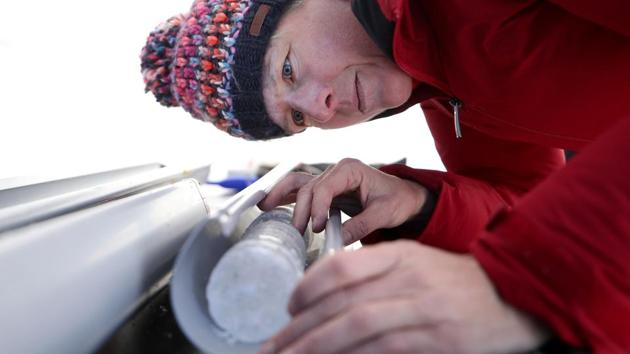
Andrea Fischer examines an ice core of Gepatschferner glacier at Weissseespitze summit, near Feichten im Kaunertal, Austria. “We are now roughly at 1920. The rest has already been lost - everything from 1920 until now," Fischer said of her work seeking Austria's oldest ice at the top of the Weissseespitze, a peak more than 3,500 metres high. (Lisi Neisner / REUTERS)
6/12
 View Photos in a new improved layout
Updated on Sep 25, 2019 12:37 PM
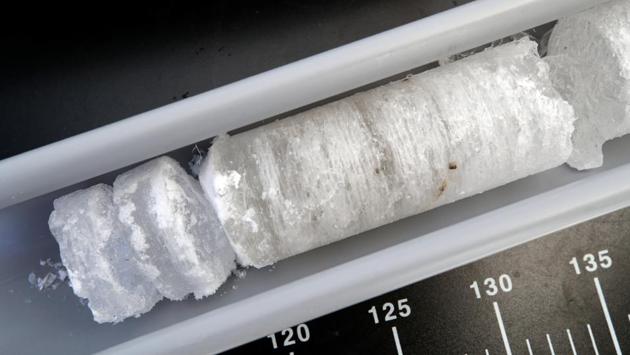
An ice core of Gepatschferner glacier waits to be numbered and wrapped at Weissseespitze summit. “In the next two years we will lose another 70 years (of ice and data),” Fischer added, describing ice at the top of the glacier. (Lisi Neisner / REUTERS)
7/12
 View Photos in a new improved layout
Updated on Sep 25, 2019 12:37 PM
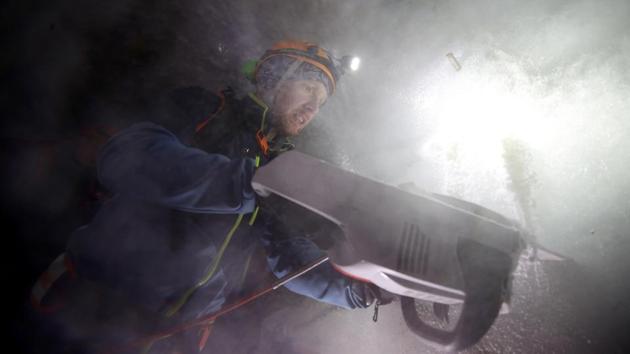
Environmental physicist Pascal Bohleber, uses a chainsaw to cut out a sample of ice inside an artificial ice tunnel of Schaufelferner glacier. At the top of Weissseespitze, Fischer and her colleagues have drilled to the bottom of the comparatively undisturbed glacier to extract samples of its ice, which is being analysed for information on the local climate thousands of years ago. (Lisi Neisner / REUTERS)
8/12
 View Photos in a new improved layout
Updated on Sep 25, 2019 12:37 PM
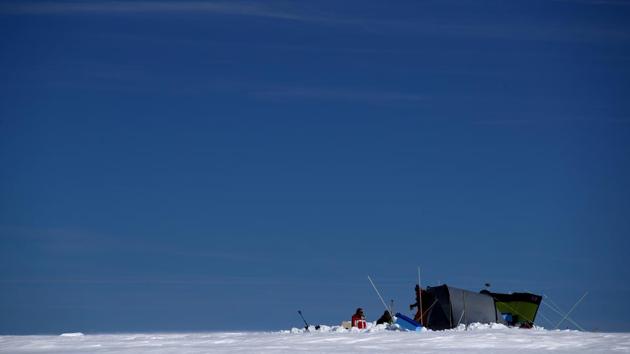
Scientists work next to the drilling tent at Gepatschferner glacier at Weissseespitze summit. Fischer, whose work has contributed to the IPCC report, believes the ice could be 3,000 to 5,000 years old. Her samples are going through lab testing to date them. (Lisi Neisner / REUTERS)
9/12
 View Photos in a new improved layout
Updated on Sep 25, 2019 12:37 PM
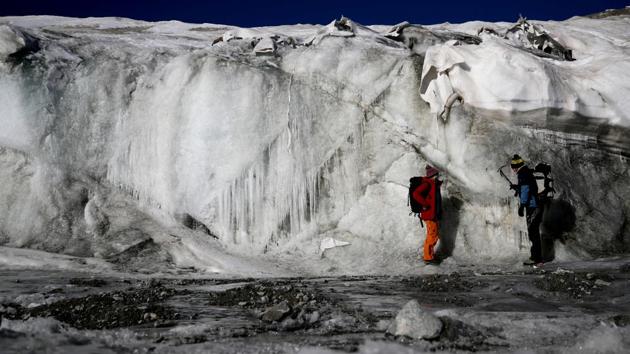
Fischer and Bohleber inspect the thickness difference of the part of Schaufelferner glacier that is covered with a special fleece fabric protecting ice from sun and heat and the part that is not. The ablation of the unprotected part is up to 4 metres per year, three times faster than ice loss on the protected part. The scientists stand directly on unprotected parts in front of the ice shield. (Lisi Neisner / REUTERS)
10/12
 View Photos in a new improved layout
Updated on Sep 25, 2019 12:37 PM
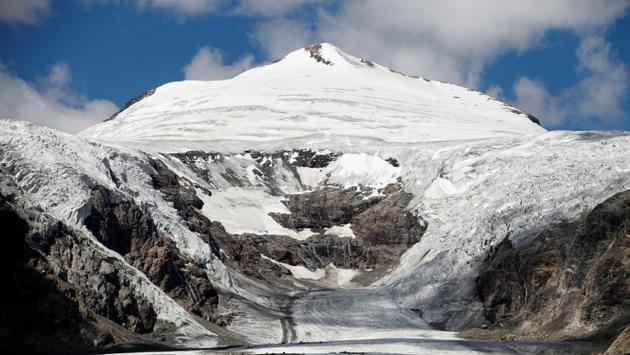
The Pasterze Glacier, Austria’s largest, is seen below Johannisberg summit in the Hohe Tauern mountain range. The lower layers of ice samples are more densely packed than those at the top, meaning that one metre of ice could include thousands of years of data. “The ice is only a few meters thick. In a few years, this summit will be completely ice-free,” Fischer said. (Lisi Neisner / REUTERS)
11/12
 View Photos in a new improved layout
Updated on Sep 25, 2019 12:37 PM
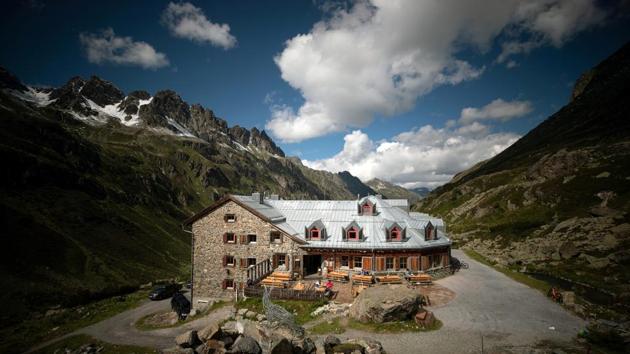
Visitors sit on the terrace of the Jamtal hut near Galtuer. While analysis of other materials, such as tree trunks, can provide information on the air temperature in summer, glaciers’ ice is a rare source of information on precipitation, she said. And much of it will soon be lost. (Lisi Neisner / REUTERS)
12/12
 View Photos in a new improved layout
Updated on Sep 25, 2019 12:37 PM


