
 E-Paper



Photos: An abandoned Chinese village now engulfed by nature
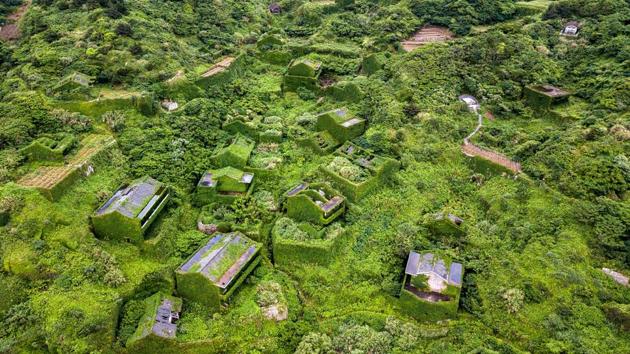
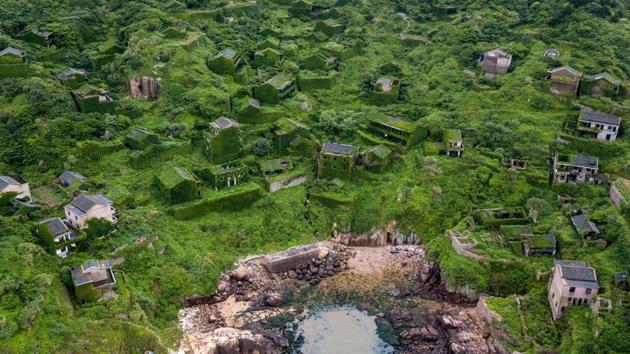
Houtouwan — “Back Bay” in Mandarin is an abandoned fishing village engulfed by nature on the far eastern island of Shengshan, off the coast of Shanghai. The island draws tourists from the mainland intrigued by the village’s unique devastation. Of the 3000 residents that once inhabited the village, only five remain.
Updated on: Jun 09, 2018 10:53 PM IST

Share via


Copy link

1/9
 View Photos in a new improved layout
Updated on Jun 09, 2018 10:53 PM
A blanket of greenery covers the ghost town, which is perched atop cliffs looking west into sea mists obscuring the horizon. Abandoned homes ravaged by weather and creeping vines stand silent but for the surf, the whine of mosquitoes, and birdsong. This is Houtouwan — “Back Bay” in Mandarin — an abandoned fishing village engulfed by nature on the far-eastern island of Shengshan, off the coast of Shanghai. (Johannes Eisele / AFP)
2/9
 View Photos in a new improved layout
Updated on Jun 09, 2018 10:53 PM
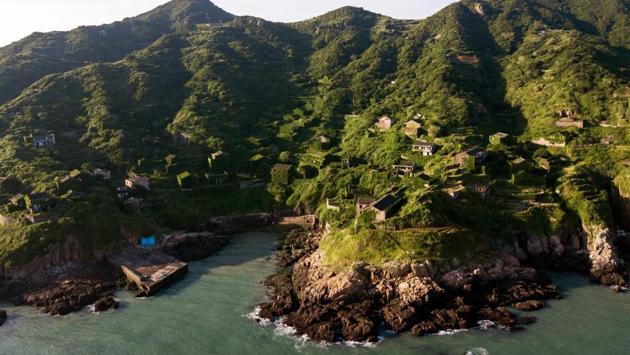
A view of the abandoned village houses covered with overgrown vegetation. Visitors must take a boat to Shengshan then a taxi up a hill to a cemetery overlooking the village, and then descend down perilous footpaths into the mist and ivy. (Johannes Eisele / AFP)
3/9
 View Photos in a new improved layout
Updated on Jun 09, 2018 10:53 PM
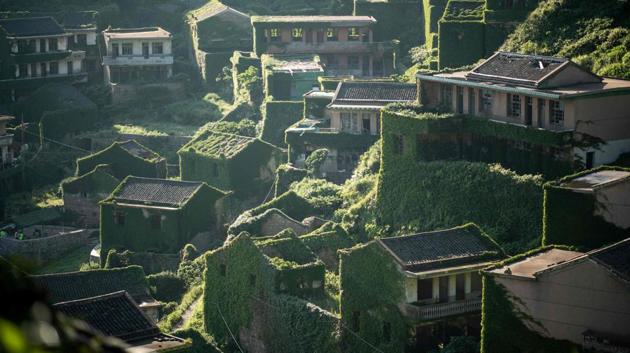
The island draws tourists from the mainland intrigued by the village’s unique devastation. Ivy cloaks some buildings completely, but on many Houtouwan houses, beautiful roof tiles still gleam and broken verandas offer majestic views of the stormy sea. (Johannes Eisele / AFP)
4/9
 View Photos in a new improved layout
Updated on Jun 09, 2018 10:53 PM
Huang Dan, a 22-year-old student visited on a recent weekend to photograph the beauty of human structures subsumed by roots, rain, vines and wind. “It feels like this place belonged to nature from the very beginning, and the old invaders finally left, and nature finally made it back,” she said. (Sam McNeil / AP)
5/9
 View Photos in a new improved layout
Updated on Jun 09, 2018 10:53 PM
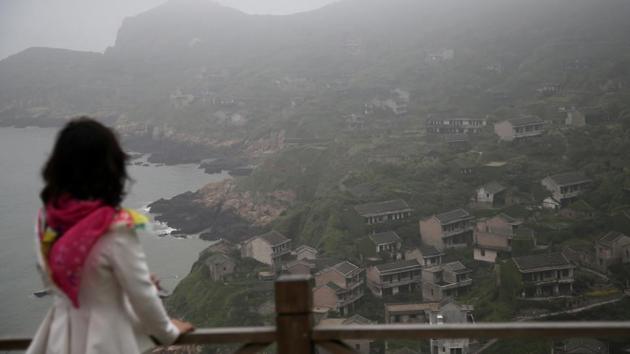
China is the world’s largest fishing nation. But poor enforcement of fishing regulations has led to a rapid decline in fish stocks. Wang Yi, the college graduate, said fishermen returned from the sea with emptier and emptier nets before China imposed seasonal moratoriums on fishing operations in the late 1990s to protect fish stocks from further depletion. (Sam McNeil / AP)
6/9
 View Photos in a new improved layout
Updated on Jun 09, 2018 10:53 PM
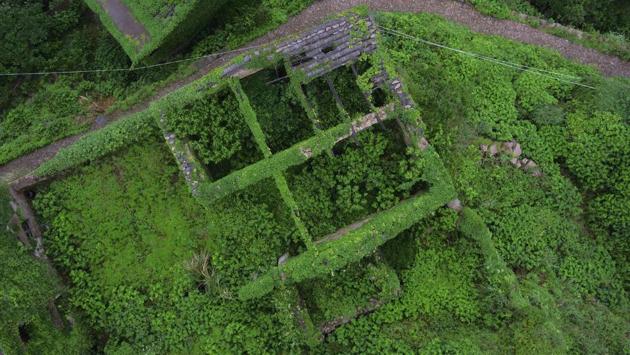
A drone image shows a building covered in ivy in the abandoned fishing village of Houtouwan.The village isn’t entirely abandoned. Five people still reside here with a relaxed pack of dogs that roam the empty homes. Most of the village’s 600 families ultimately left because it lacked proper roads and a school. (Sam McNeil / AP)
7/9
 View Photos in a new improved layout
Updated on Jun 09, 2018 10:53 PM
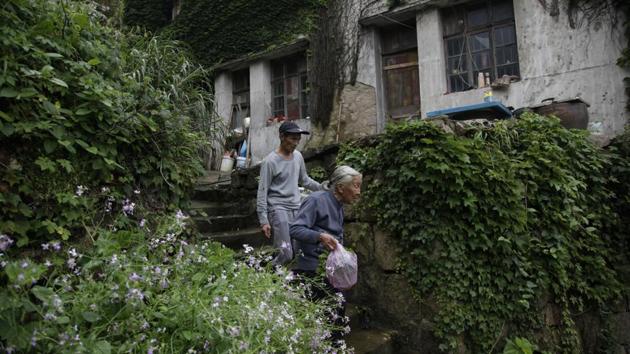
Lin Fazhen (wearing a cap), 60, leaves his home with a neighbour. In Houtouwan’s heyday, Lin ran a small store in 1984 catering to fishermen. He sold cigarettes, alcohol, fishing supplies, canned food, biscuits and fruit that he imported on boats from the mainland. “They went to the sea when the boats were sailing, and they came back when it got windy. They played mahjong,” he said. (Fu Ting / AP)
8/9
 View Photos in a new improved layout
Updated on Jun 09, 2018 10:53 PM
When the people left, Lin began planting cauliflower, cabbage, lettuce, celery and basil. He said he now farms more than 1,300 square meters (a third of an acre) of various plots scattered across abandoned lawns, gardens and terraces. Lin chuckled when asked if the village was haunted. “People got scared and said ghosts were living here, so it was called ghost village,” Lin said. (Sam McNeil / AP)
9/9
 View Photos in a new improved layout
Updated on Jun 09, 2018 10:53 PM


