
 E-Paper



Photos: Australia prepares for more fires as extreme temperatures predicted
Thousands of firefighters were fortifying containment lines on Monday as temperatures were forecast to soar, increasing the danger of a fresh wave of bushfires across Australia's east coast. Wildfires have killed at least four people, destroyed more than 680 homes and burned more than 2.5 million acres of bushland across eastern Australia since the start of November. Such fires are common in Australia's hot, dry summers, but the ferocity and early arrival of the fires in the southern spring this year have caught many by surprise. Experts have said climate change has left bushland tinder-dry.
Updated on: Dec 10, 2019 10:13 AM IST


Share via


Copy link

1/7
 View Photos in a new improved layout
Updated on Dec 10, 2019 10:13 AM
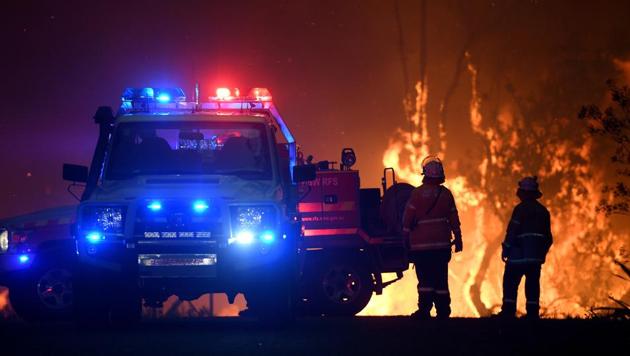
NSW Rural Fire Service crews protect properties on Waratah Road and Kelyknack Road as the Three Mile fire approaches Mangrove Mountain, Australia. Thousands of firefighters were fortifying containment lines on Monday as temperatures were forecast to soar, increasing the danger of a fresh wave of bushfires across Australia’s east coast. (AAP Image/Dan Himbrechts/via REUTERS)
2/7
 View Photos in a new improved layout
Updated on Dec 10, 2019 10:13 AM
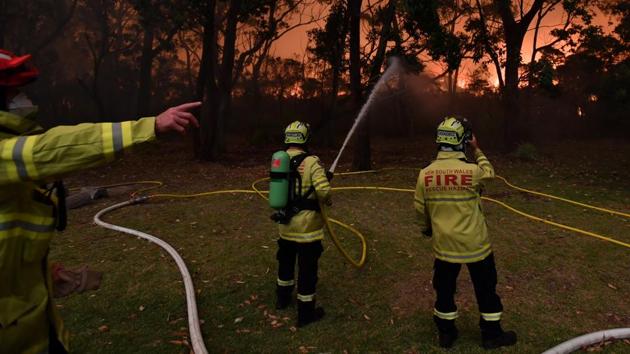
Fire fighting crews from the Rural Fire Service (RFS), NSW Fire and Rescue and National Parks and Wildlife Service (NPWS) officers fight a bushfire encroaching on properties near Lake Tabourie, Australia.More 100 fires remain ablaze in the region, and authorities warned conditions would worsen on Tuesday, when temperatures were predicted to top 40 degrees Celsius. (AAP Image/Dean Lewins/via REUTERS )
3/7
 View Photos in a new improved layout
Updated on Dec 10, 2019 10:13 AM
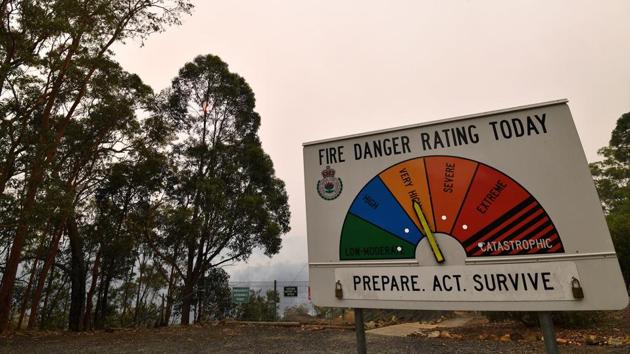
A fire rating display shows high alert as bushfire burn at the Mangrove Dam in Central Coast, some 90-110 kilometres north of Sydney. Bushfires are common in the country but scientists say this year's season has come earlier and with more intensity due to a prolonged drought and climatic conditions fuelled by global warming. (SAEED KHAN / AFP)
4/7
 View Photos in a new improved layout
Updated on Dec 10, 2019 10:13 AM
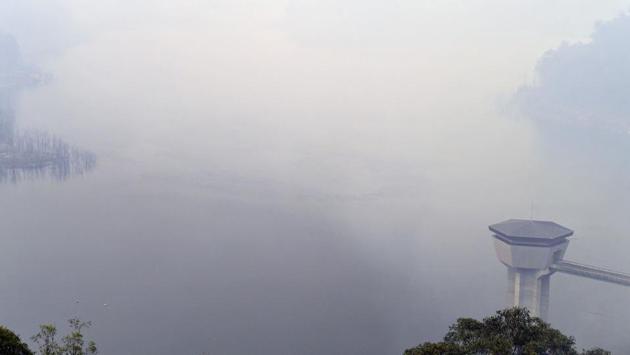
Smoke from bushfires obscure the Mangrove Dam in Central Coast. Seeking to minimise the threat, firefighters safely burned grassland around homes to remove fuel, said NSW Rural Fire Service Commissioner Shane Fitzsimmons. “Firefighters are trying to take advantage of the more moderate conditions... and establish as many significant containment options as they can,” Fitzsimmons told reporters in Sydney. “It is an enormous amount of work with more than 2,000 people out in the field.” (Saeed KHAN / AFP)
5/7
 View Photos in a new improved layout
Updated on Dec 10, 2019 10:13 AM
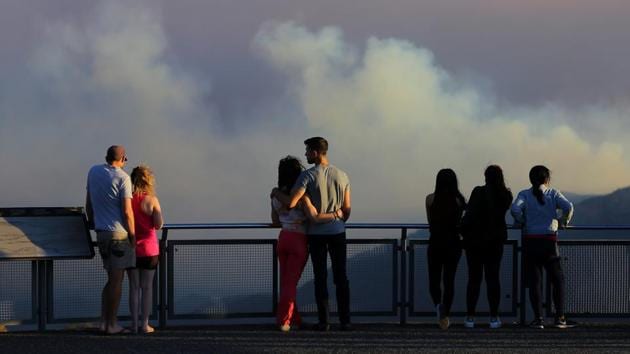
People watch as smoke from the Green Wattle Creek fire is seen from Echo Point lookout in Katoomba, as bushfires continue to blaze in New South Wales, Australia. Wildfires have killed at least four people, destroyed more than 680 homes and burned more than 2.5 million acres (1 million hectares) of bushland across eastern Australia since the start of November. (AAP/Steven Saphore via REUTERS)
6/7
 View Photos in a new improved layout
Updated on Dec 10, 2019 10:13 AM
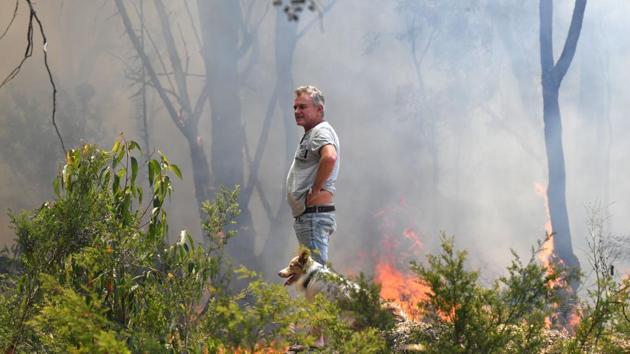
A resident looks on as vegetation on his property is set ablaze in back burning measures to secure residential areas from encroaching bushfires, at the Mangrove area in Central Coast. In the small city of Hawkesbury, about 50 km (31.1 miles) north west of Sydney, residents joined firefighters to safeguard their properties. Mayor Barry Calvert said residents were trying to clear foliage from around their homes, and opening gates to ensure emergency workers have access. (SAEED KHAN / AFP)
7/7
 View Photos in a new improved layout
Updated on Dec 10, 2019 10:13 AM


