
 E-Paper



Photos: Climate change makes fishing in Brazil mangroves a swampy affair
Fishermen like Jose da Cruz have made their living for decades hunting for crabs that grow where fresh water rivers meet the brackish Atlantic Ocean in Brazil's vast coastal mangrove forests, in deep black mud. Global warming is impacting the world and the emergency has caused water temperatures to rise in Brazil's mangroves, killing off crabs and other animals in their food chain, as temperatures breach the narrow range the inhabitants of this fragile ecosystem are adapted to --adversely impacting the life and economy of its human residents as well.
Updated on: May 30, 2019 11:53 AM IST

Share via


Copy link

1/10
 View Photos in a new improved layout
Updated on May 30, 2019 11:53 AM
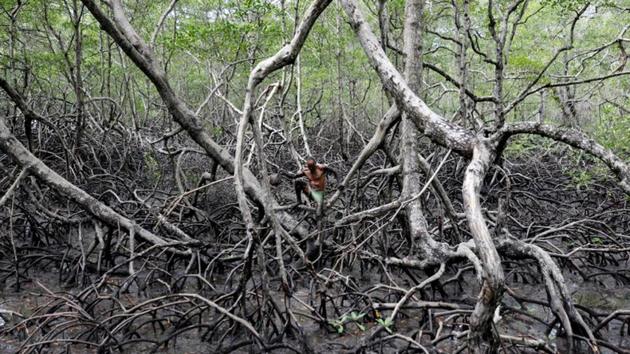
Jose da Cruz wends his way on foot through a tangle of mangroves on the Caratingui River, in Cairu,Brazil. Fishermen like Cruz have made their living for decades hunting crab among Brazil’s vast coastal mangroves, densely twisted plants in deep black mud that grow where fresh water rivers meet the brackish Atlantic Ocean. (Nacho Doce / REUTERS)
2/10
 View Photos in a new improved layout
Updated on May 30, 2019 11:53 AM
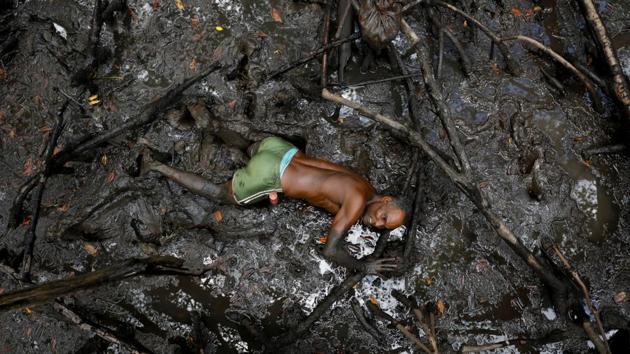
Jose catches crabs inside the mangrove forests. With passing time. he begins to blend into his surroundings, becoming increasingly caked in mud, lying flat and submerged shoulder deep in the mud that is fertile grounds for the crabs he seeks. (Nacho Doce / REUTERS)
3/10
 View Photos in a new improved layout
Updated on May 30, 2019 11:53 AM
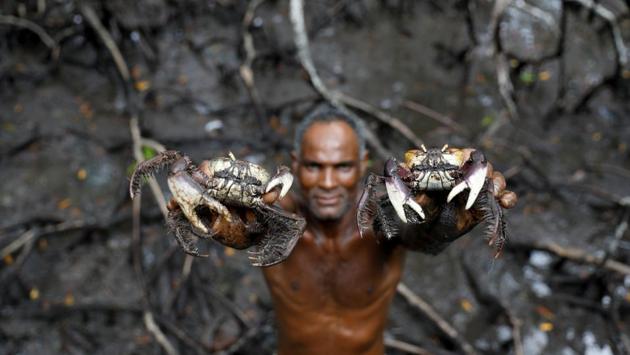
Soon enough, Jose pulls out two spikey-legged creatures, larger than his hands. Cruz’s average daily catch is half of what it was 10 years ago. Since that time, the water line has advanced 3 meters inland from where it used to be, according to his observations. (Nacho Doce / REUTERS)
4/10
 View Photos in a new improved layout
Updated on May 30, 2019 11:53 AM
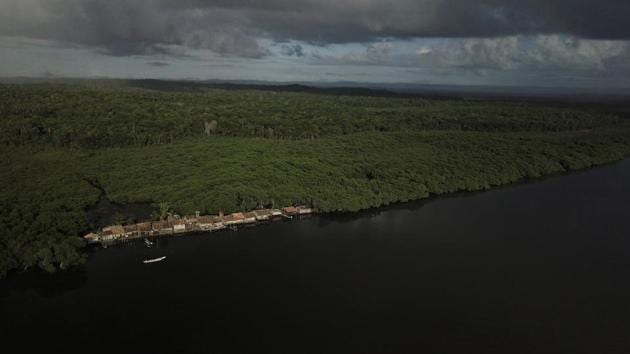
Jose is part of an unofficial community known as “The Train” because the mud houses, in the community where he lives, are arranged in single file along the edge of the Caratingui river like train cars. The low-lying island, otherwise covered in mangroves, is quickly receding under the water. (Nacho Doce / REUTERS)
5/10
 View Photos in a new improved layout
Updated on May 30, 2019 11:53 AM
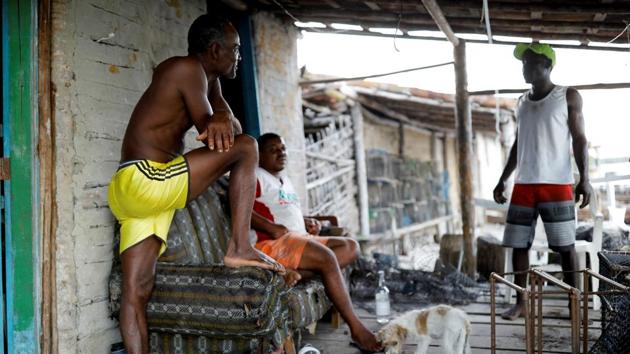
Jose, who is known by the nickname ‘Vampire’ because of his distinctive teeth, talks with neighbours outside his house. The tenuous livelihood of fishermen like Cruz is facing a series of threats, including rapid alterations to the environment caused by climate change. (Nacho Doce / REUTERS)
6/10
 View Photos in a new improved layout
Updated on May 30, 2019 11:53 AM
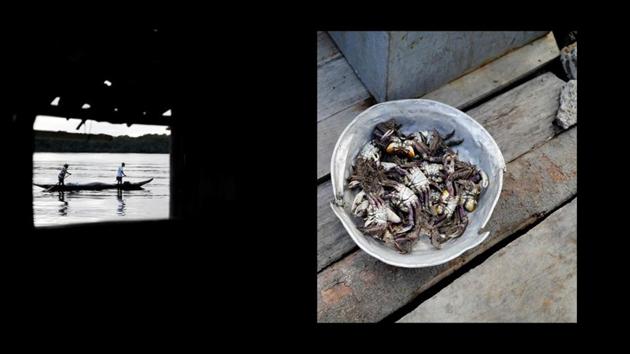
Jose doesn’t use a rod and reel or a net to catch crabs; instead he parks his two-foot-wide boat at the shore of the Caratingui river and takes off on foot. Usually he captures four or five dozen crabs in a day which fetch him about 200 reais ($50) per week. (Nacho Doce / REUTERS)
7/10
 View Photos in a new improved layout
Updated on May 30, 2019 11:53 AM
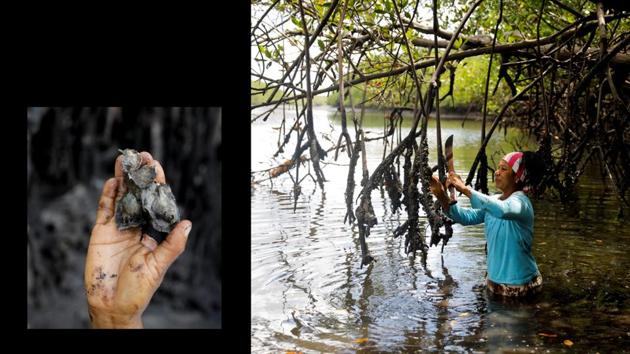
Jose’s wife Vandeka harvests mangrove oysters. Mangroves cover 13,989 square kilometers along Brazil’s coast -- an area larger than the US state of Maryland. They protect the coast from eroding as intense storms grow more frequent. The plants themselves are resilient, following water levels as they rise, but creatures like the crabs and oysters that Cruz harvests less so. (Nacho Doce / REUTERS)
8/10
 View Photos in a new improved layout
Updated on May 30, 2019 11:53 AM
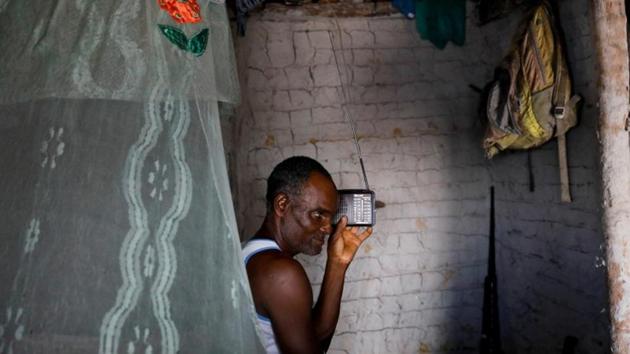
Jose listens to the radio inside his house, in Cairu. A battery-powered radio may be his principal connection to the outside world, but Cruz knows about global warming. “Nature is upset. ... In Antarctica, it’s melting, nature is melting... People, you have to have some awareness about what is happening. It’s clear what is happening,” he said. (Nacho Doce / REUTERS)
9/10
 View Photos in a new improved layout
Updated on May 30, 2019 11:53 AM
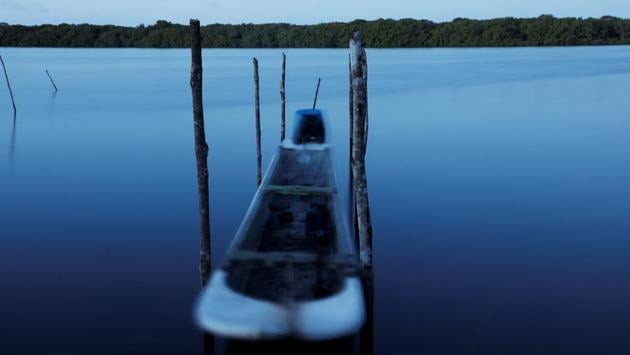
Climate scientists lend credence to Cruz’s interpretation of what he sees. Rising water levels, they say, are a sign of global warming, which also causes water temperatures to rise, killing off some marine life. These changes in turn are threatening the families in Cruz’s village that depend on the coastal ecosystem. (Nacho Doce / REUTERS)
10/10
 View Photos in a new improved layout
Updated on May 30, 2019 11:53 AM


