
 E-Paper



Photos: Egypt’s young Nubians revive dream of return to homeland
For the Nubians, an ancient ethnic group that since Pharaonic times lived along the Nile in what is now southern Egypt and northern Sudan, the 20th century brought with it a series of displacements --the last and biggest came 50 years ago when Egypt built the Aswan High Dam displacing a large segment from ancestral homelands. Now a younger generation has revived the long-dormant cause of Egypt’s Nubians, campaigning for a return to their lands and struggling to preserve their culture.
Updated on: Jul 16, 2018 1:46 PM IST

Share via


Copy link

1/12
 View Photos in a new improved layout
Updated on Jul 16, 2018 1:46 PM
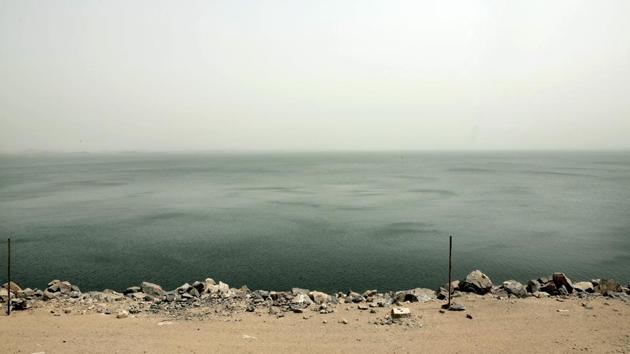
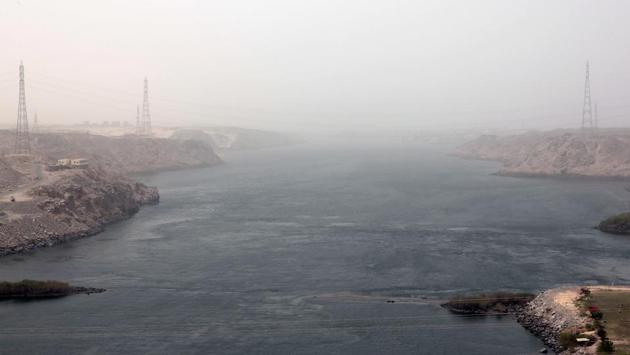
A view of Lake Nasser, the other side of the High Dam which flooded the Nubian ancestral homeland. The 20th century brought a series of displacements -- the last and biggest came 50 years ago when Egypt built the Aswan High Dam displacing at least 50,000 people. Now a younger generation has revived the long-dormant cause of Egypt’s Nubians, campaigning for a return to their lands and preserving their culture. (Nariman El-Mofty / AP)
2/12
 View Photos in a new improved layout
Updated on Jul 16, 2018 1:46 PM
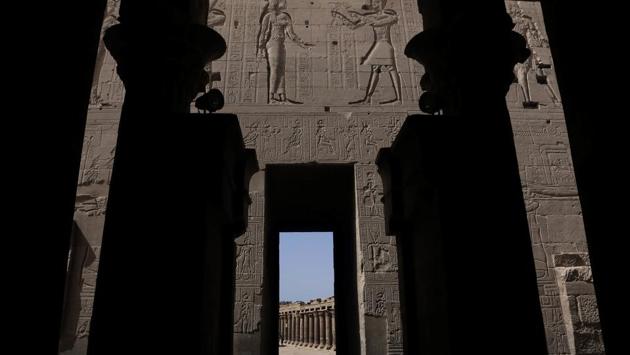
Nubians are an ancient ethnic group that, since Pharaonic times, lived along the Nile in what is now southern Egypt and northern Sudan. Darker skinned than most Egyptians, they have a distinct culture and a language unrelated to Arabic. There is no firm data, but some 3.5 to 5 million of Egypt’s more than 90 million people are estimated to be Nubian. (Nariman El-Mofty / AP)
3/12
 View Photos in a new improved layout
Updated on Jul 16, 2018 1:46 PM
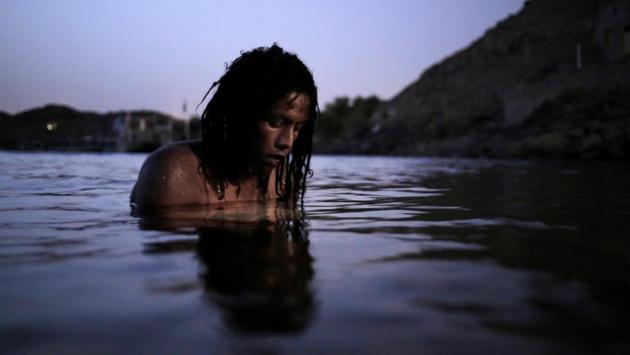
38-year old Reesha swims in the Nile River on Heisa Island. Older Nubians vividly recall life in their original land. They talk of sprawling villages with large houses painted in brilliant colours, with lands made fertile by sediment from annual floods. Most important was the bond with the Nile. They “baptized” their children in its waters. On holidays they set dishes to float away on its current. (Nariman El-Mofty / AP)
4/12
 View Photos in a new improved layout
Updated on Jul 16, 2018 1:46 PM
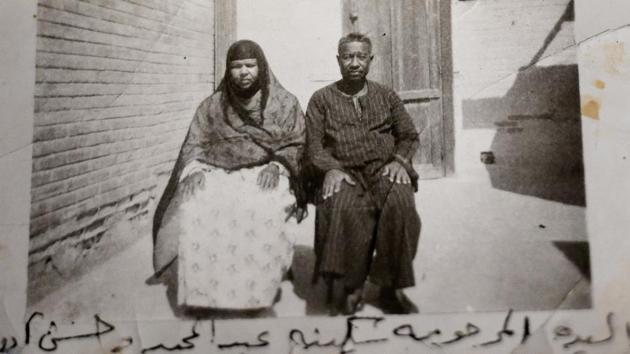
Late Sekyna Abdel Megeed and Hussein Oddoul before they were forced to leave their homeland. The government told the Nubians they were making a sacrifice for Egypt’s progress. In return, authorities promised they would receive new, model homes with electricity, running water, farmlands and a prosperous future. (Nariman El-Mofty / AP)
5/12
 View Photos in a new improved layout
Updated on Jul 16, 2018 1:46 PM
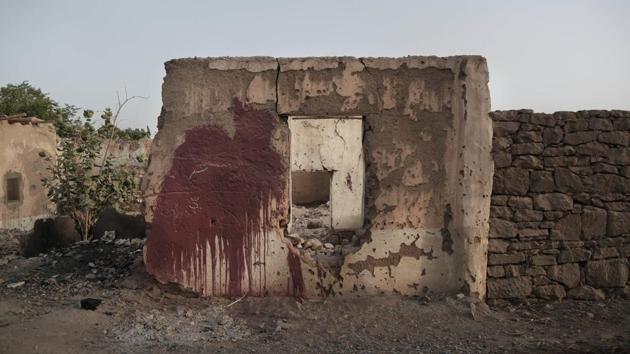
The Nubians were moved to 44 new villages north of Aswan. What they found was a startling blow. In some villages, houses hadn’t been built yet — there were just chalk outlines. Houses that were ready were small and cramped, often without running water or electricity. Farmland couldn’t be farmed because a canal hadn’t been built. Even worse, most villages were miles from the Nile. (Nariman El-Mofty / AP)
6/12
 View Photos in a new improved layout
Updated on Jul 16, 2018 1:46 PM
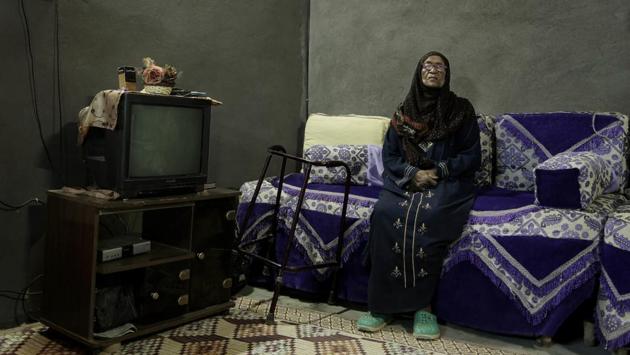
85-year-old Naemah Hussein sits in her home ‘tahgeer’ Eneiba village, northern Aswan. Speaking Arabic haltingly with a heavy Nubian accent, Hussein, said her house in her original home village of Eneiba was right on the banks of the Nile, where she baptized her first two children. (Nariman El-Mofty / AP)
7/12
 View Photos in a new improved layout
Updated on Jul 16, 2018 1:46 PM
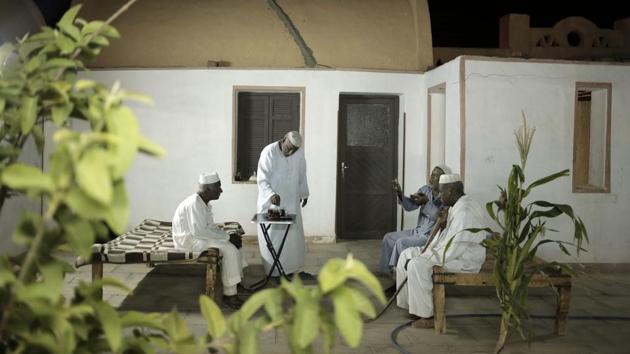
Men talk at a home in Wadi Karkar, a new complex under construction in the desert west of Lake Nasser. In the decades since, Nubian towns — like many others in southern Egypt — have sunk into poverty. Many Nubians have moved to larger cities like Cairo, Alexandria or Aswan, searching for jobs. Customs have withered. The Nubian language is not taught in schools. (Nariman El-Mofty / AP)
8/12
 View Photos in a new improved layout
Updated on Jul 16, 2018 1:46 PM
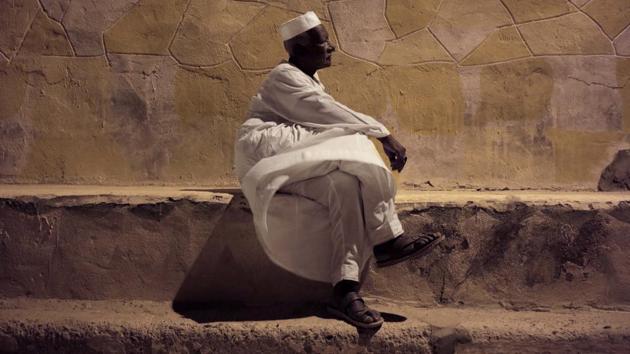
65-year old Mohammed Haroun sits in front of his home in Wadi Karkar. Young Nubian activists say that after the trauma of displacement, the older generation largely accepted whatever the government gave them. They say they are more determined to push for their rights and less willing to put up with discrimination. (Nariman El-Mofty / AP)
9/12
 View Photos in a new improved layout
Updated on Jul 16, 2018 1:46 PM
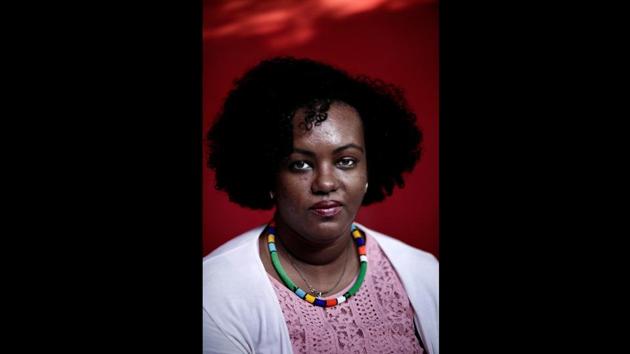
Nubian activist Fatmah Imam said, "This country has so many colours and ethnicities, and it is so destructive that we are trying to give it just one identity." In 2014, there seemed to be a breakthrough when the new constitution included a clause recognizing Nubians as an ethnic group and committing the state to organize their return to traditional lands by 2024. But nothing concrete has been done so far. (Nariman El-Mofty / AP)
10/12
 View Photos in a new improved layout
Updated on Jul 16, 2018 1:46 PM
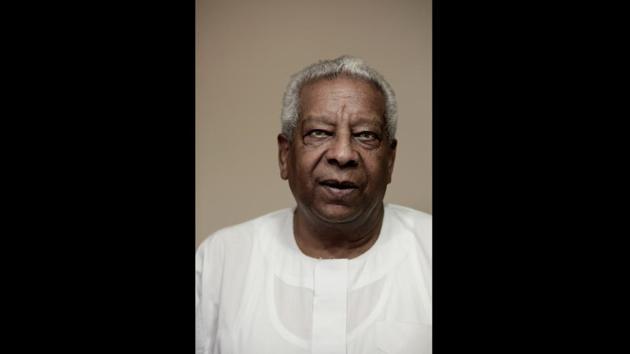
Haggag Oddoul calls the Nubian uprooting " a cultural holocaust." Successive governments, he said, have sought to dissolve the community into the broader Arab-dominated identity. To keep up pressure, activists have attempted several protests. In 2016, a convoy of cars set out from Aswan toward Nubian lands. They were intercepted by security forces and forced to go back. (Nariman El-Mofty / AP)
11/12
 View Photos in a new improved layout
Updated on Jul 16, 2018 1:46 PM
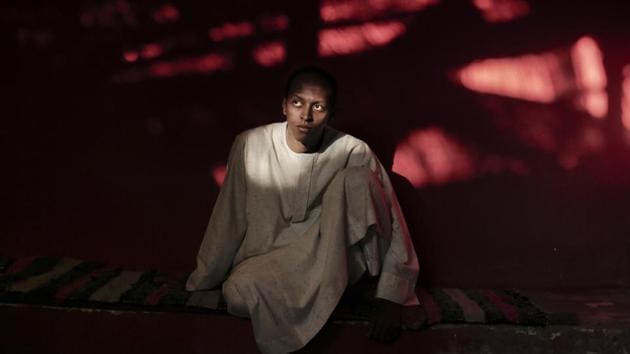
Nubian activist Waleed Toka poses for a photograph in Cairo. Last September, around 100 Nubians marched through Aswan, singing traditional songs and beating drums. Police arrested more than two dozen. One of them, an activist suffering from health issues, died in custody, prompting a new protest and further arrests. In May, parliament created an agency to economically develop southern Egypt, but it made no specific mention of the Nubians. (Nariman El-Mofty / AP)
12/12
 View Photos in a new improved layout
Updated on Jul 16, 2018 1:46 PM


