
 E-Paper



Photos: EU-Turkey deal leaves migrants stranded on Greek island
More than 8,500 asylum-seekers are still stuck on Lesbos, where facilities for migrants were only designed to accommodate 3,000. A deal between the European Union and Turkey struck in 2016 stemmed the uncontrolled exodus of nearly a million people across the Aegean Sea. Though arrivals collapsed in 2016 following the deal, in the recent past they have ticked up.
Updated on: Dec 09, 2017 4:06 PM IST

Share via


Copy link

1/10
 View Photos in a new improved layout
Updated on Dec 09, 2017 4:06 PM
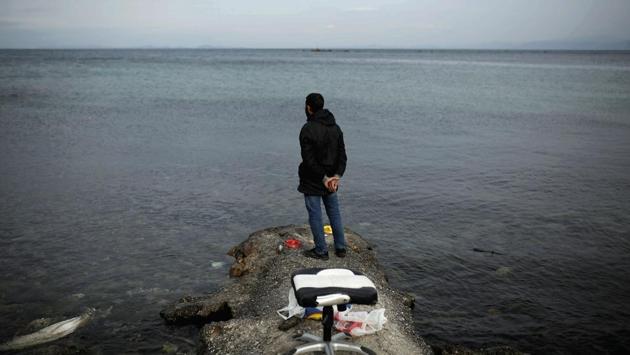
Syrian refugee Muhammad, 42, looks at the sea while fishing on the island of Lesbos, Greece. More than 8,500 asylum-seekers are stuck on Lesbos, where facilities for migrants were only designed to accommodate 3,000. A deal between the European Union and Turkey struck in 2016 stemmed the uncontrolled exodus of nearly a million people across the Aegean Sea. (Alkis Konstantinidis / REUTERS)
2/10
 View Photos in a new improved layout
Updated on Dec 09, 2017 4:06 PM
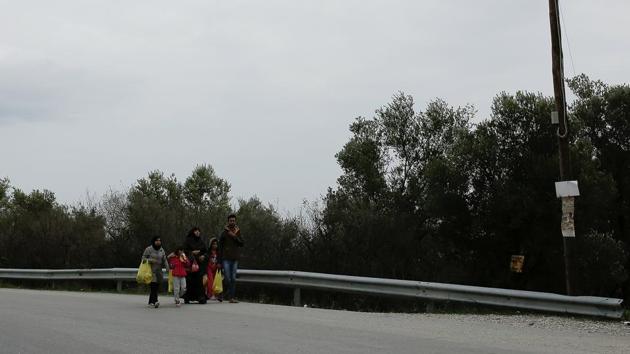
A family from Syria walks towards a makeshift camp for refugees and migrants on the island of Lesbos. Like thousands, these migrants arrived by crossing the Aegean Sea on a rubber dinghy from Turkey. According to UNHCR, in the four months to November, 15,800 asylum-seekers arrived on Greek islands -- up by 27 % from 2016. (Alkis Konstantinidis / REUTERS)
3/10
 View Photos in a new improved layout
Updated on Dec 09, 2017 4:06 PM
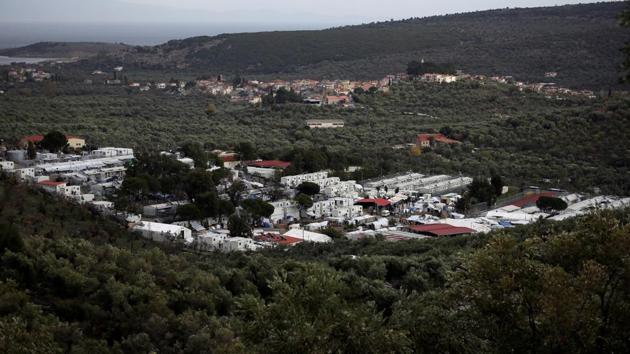
A general view shows the Moria camp for refugees on the island of Lesbos, Greece. Under the EU-Turkey deal, anyone crossing to Greece from Turkey (who does not qualify for asylum) must be deported. According to aid groups and experts on Europe’s migration crisis, the main problem behind this increase in migrations are a due to lack of political will to improve conditions on the Greek islands. (Alkis Konstantinidis / REUTERS)
4/10
 View Photos in a new improved layout
Updated on Dec 09, 2017 4:06 PM
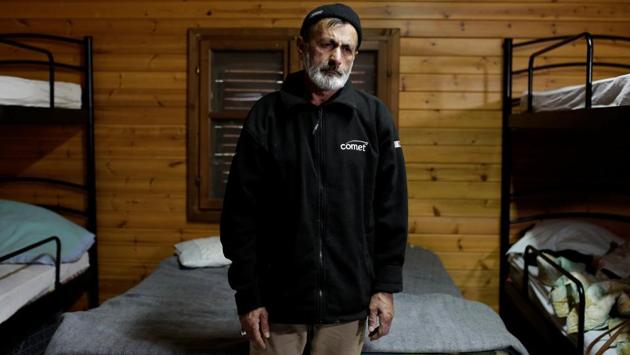
An Afghan migrant, Abdul Samad pauses during an interview in Greece. His 10 year-old son was recovered unconscious from the boat on which they travelled to Greece. Most of the stranded migrants are Syrians, Iraqis and Afghans, as has been the case throughout the crisis. (Alkis Konstantinidis / REUTERS)
5/10
 View Photos in a new improved layout
Updated on Dec 09, 2017 4:06 PM
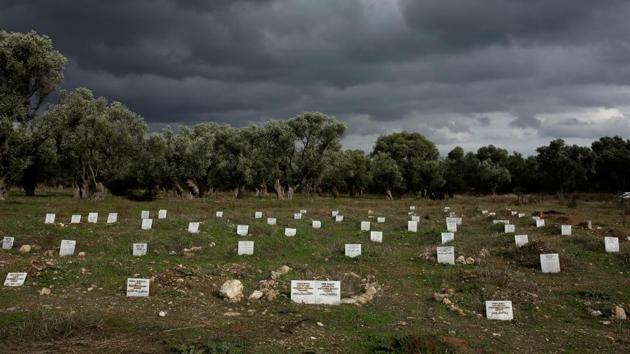
Tombstones placed on graves of refugees and migrants, some of whom drowned at sea during an attempt to cross the Aegean Sea from the Turkish coast, are seen on a field near the village Kato Tritos on the island of Lesbos. (Alkis Konstantinidis / REUTERS)
6/10
 View Photos in a new improved layout
Updated on Dec 09, 2017 4:06 PM
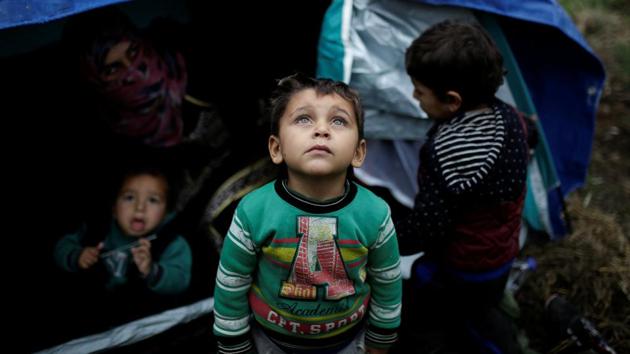
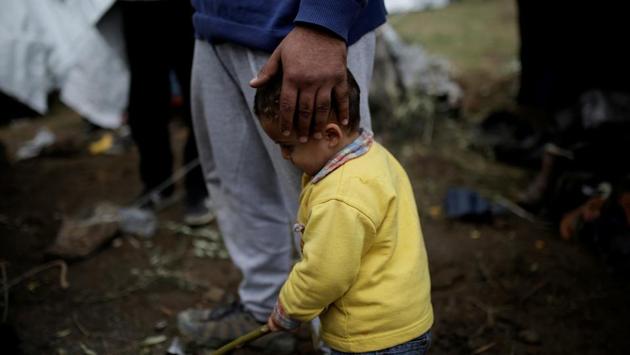
A Syrian refugee boy in front of his family tent at a makeshift camp. According to aid workers, there is an acute shortage of medical care. (Alkis Konstantinidis / REUTERS)
7/10
 View Photos in a new improved layout
Updated on Dec 09, 2017 4:06 PM
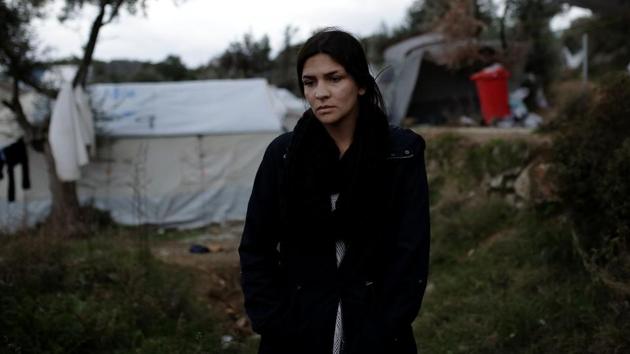
Iraqi refugee Shahed Naji, 22, who arrived in Moria five months ago, stands at a makeshift camp for refugees in Lesbos, Greece. Gangs, some armed with knives, roam at night while women cower in their shelters for fear of an attack. “Any girl in this camp expects at any moment that she will be attacked,” said Naji. (Alkis Konstantinidis / REUTERS)
8/10
 View Photos in a new improved layout
Updated on Dec 09, 2017 4:06 PM
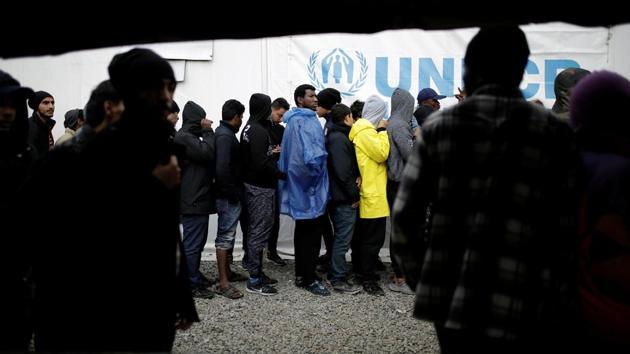
Refugees and migrants line up for lunch provided by the Greek authorities, at a makeshift camp. The European Commission claims to have offered Greece millions in emergency aid and that it was working with the Greek authorities to improve living conditions. (Alkis Konstantinidis / REUTERS)
9/10
 View Photos in a new improved layout
Updated on Dec 09, 2017 4:06 PM
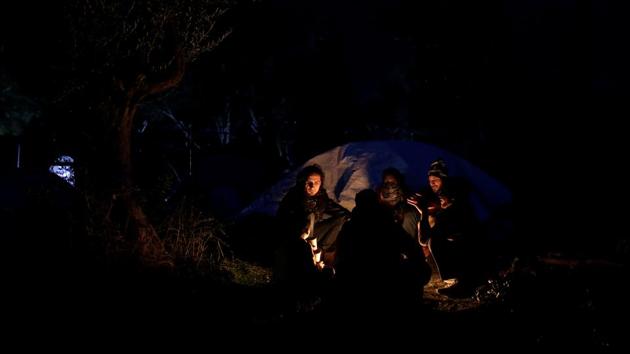
A Syrian family sits around a bonfire at a makeshift camp. Many migrants living on Lesbos were not aware of the deal blocking their journey onwards to northern Europe. According to the island’s mayor, Spyros Galinos, policies have turned the island into “an open prison” and called for protests and strikes against the deal. (Alkis Konstantinidis / REUTERS)
10/10
 View Photos in a new improved layout
Updated on Dec 09, 2017 4:06 PM


